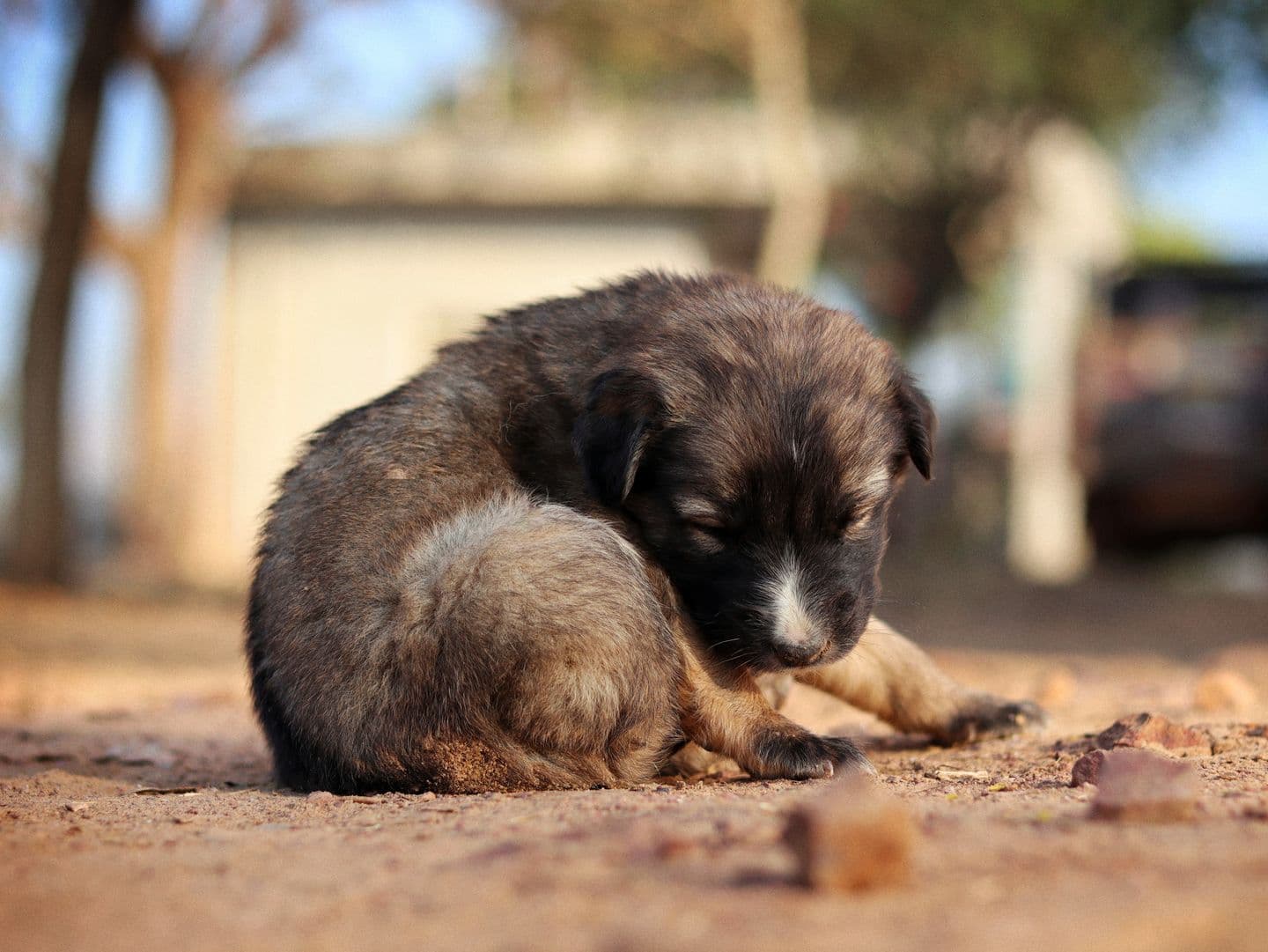
Grooming Your Puppy Properly for Its Specific Coat Type
Beyond the basics of bathing covered elsewhere, brushing technique genuinely needs to match a puppy's coat type, using the wrong tool or method on the wrong coat either does very little good or, in so
Beyond the basics of bathing covered elsewhere, brushing technique genuinely needs to match a puppy's coat type, using the wrong tool or method on the wrong coat either does very little good or, in some cases, actually damages the coat over time. Knowing which category your puppy falls into makes grooming considerably more effective.
Smooth coats
Breeds like Boxers, Beagles and many Indies fall into this low maintenance category, short fur lying flat against the body. A rubber curry brush or grooming mitt used weekly is generally sufficient, lifting loose hair and distributing natural coat oils without much fuss.
Double coats
Breeds like Golden Retrievers, German Shepherds and Huskies carry a soft, dense undercoat beneath a coarser outer layer, and this undercoat is where most grooming attention needs to go. A slicker brush followed by an undercoat rake, working in sections down to the skin rather than just skimming the surface, prevents the matting and overheating that comes from a neglected undercoat. Never shave a double coated breed for cooling purposes, contrary to popular belief, the coat actually helps regulate body temperature, and shaving can damage regrowth and remove natural sun protection.
Long and silky coats
Breeds like Afghan Hounds and many spaniels need considerably more frequent attention, often daily brushing, since these coats tangle and mat easily. A slicker brush followed by a metal comb, working through in sections to catch anything the brush alone misses, is the standard combination, and a detangling spray helps considerably before brushing rather than fighting dry, static prone hair.
Curly and wavy coats
Poodles, many Poodle crosses, and similar curly coated breeds demand the most consistent grooming of any coat type, since small tangles compound into painful mats surprisingly fast if brushing is skipped even briefly. Daily brushing with a slicker brush and comb, always working down to the skin rather than only the surface layer, is genuinely necessary, and most owners find professional trims every four to six weeks keep the coat manageable between sessions.
Wire coats
Terrier breeds with this coarse, textured coat benefit from a weekly brush with a slicker brush and comb for general maintenance, and periodic hand stripping, plucking out dead outer hair by hand rather than clipping it, to maintain the coat's proper texture and colour. Hand stripping is a specific skill best learned from or performed by a professional groomer initially, though some owners do eventually learn to do it themselves at home.
Starting young, regardless of coat type
A puppy's coat is usually tangle free and easy to work with, which makes early puppyhood the ideal time to build positive associations with brushing, short one to two minute sessions with plenty of praise, well before any coat actually needs serious attention. A dog introduced to grooming this way tends to tolerate a lifetime of brushing, bathing and professional grooming visits far more calmly than one that only encounters it for the first time as an adult with an already matted coat.
A coat-related detail worth remembering: ears
Breeds with long, floppy ears, Beagles, Cocker Spaniels and similar, trap warmth and moisture underneath the ear flap regardless of their body coat type, which makes them more prone to ear infections than prick eared breeds. This is not solved by brushing technique, it needs a separate, regular ear check as part of the same grooming routine, gently lifting the flap to look and sniff for anything unusual, since a coat that looks perfectly maintained can still sit above ears quietly developing a problem underneath.
Beyond the familiar Great Dane and Saint Bernard, a number of large, calm breeds carry the same gentle-giant temperament without quite the same name recognition. Most remain genuinely rare in India, b
A once-bouncy dog that suddenly seems flat, uninterested in walks, and withdrawn from the family is unsettling to watch, and the question that naturally follows is whether dogs can actually feel somet
A healthy dog isn't just a contented one; they're more playful, more energetic and more emotionally settled. As their owner, you're the biggest factor in how well your dog thrives, day in and day out.