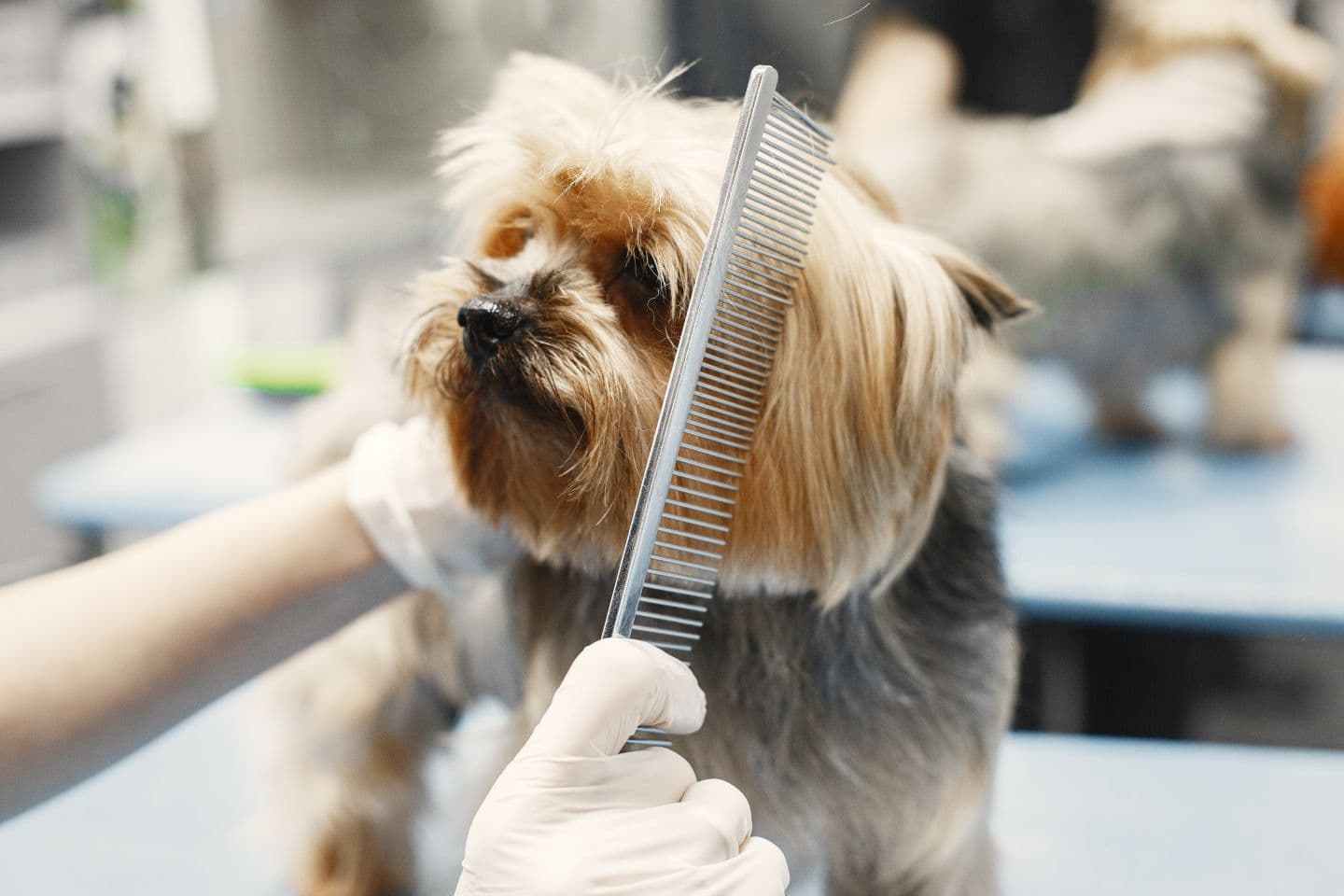
There is no single correct answer to how often a dog needs a bath, it depends on coat type, activity level, and crucially, the Indian season you are in. Bathing too often strips natural oils and can a
There is no single correct answer to how often a dog needs a bath, it depends on coat type, activity level, and crucially, the Indian season you are in. Bathing too often strips natural oils and can actually cause more skin problems than it solves, while bathing too rarely leaves dirt, odour, and parasites a place to settle in.
A baseline to work from
For most healthy adult dogs in Indian homes, bathing once every three to four weeks is a reasonable starting point. Short-coated breeds and indie dogs generally need fewer baths, while long-coated or oily-coated breeds benefit from slightly more frequent washing. Double-coated breeds like Huskies sit at the other end, typically needing a proper bath only every six to eight weeks, since over-bathing can disrupt the natural oils their undercoat depends on.
Adjusting for the season
Summer: every three to four weeks generally holds, with wipe-downs between baths after outdoor walks to remove sweat and grime
Monsoon: stretch to every two to three weeks with plain water, since over-bathing in humid weather weakens the skin barrier that protects against fungal and bacterial infection, and use antifungal or antibacterial wipes between baths for the belly and paws
Winter: baths can space out slightly further, and always ensure the coat dries completely before the dog is exposed to cold air, particularly in the north
Signs you are overdoing it
Dry, flaky skin or a dull, brittle coat
Increased scratching after baths rather than before them
A coat that feels rough rather than soft once fully dry
Signs you are underdoing it
A persistent doggy odour that returns quickly
Visibly dirty or greasy coat
Matting building up faster than usual
The real rule of thumb
Treat the numbers above as a starting range, not a fixed rule. A dog that swims often, rolls in mud, or has a skin condition will need a different rhythm entirely, and when in doubt, a quick conversation with your vet about your specific dog's coat and skin will beat any generic schedule.
Puppies and senior dogs need their own rhythm
Very young puppies need fewer, gentler baths, both because their skin barrier is still developing and because too much handling in water too early can be more stressful than useful, a wipe-down covers most in-between mess. Senior dogs often develop thinner, more sensitive skin and may also have less tolerance for standing through a long bath, so shorter, gentler sessions with a moisturising shampoo tend to work better than the standard adult routine, particularly for older dogs with joint stiffness who find standing for long periods uncomfortable.
A quick reference by coat type
Short, smooth coats (indie dogs, Labradors, Boxers): every three to four weeks
Long or silky coats (Golden Retrievers, Shih Tzus, Cocker Spaniels): every two to three weeks
Curly or oily coats (Poodles, Poodle mixes): every three to four weeks, often alongside more frequent brushing
Double coats (Huskies, German Shepherds, Spitz breeds): every six to eight weeks, with regular brushing in between to manage undercoat
Beyond the familiar Great Dane and Saint Bernard, a number of large, calm breeds carry the same gentle-giant temperament without quite the same name recognition. Most remain genuinely rare in India, b
A once-bouncy dog that suddenly seems flat, uninterested in walks, and withdrawn from the family is unsettling to watch, and the question that naturally follows is whether dogs can actually feel somet
A healthy dog isn't just a contented one; they're more playful, more energetic and more emotionally settled. As their owner, you're the biggest factor in how well your dog thrives, day in and day out.