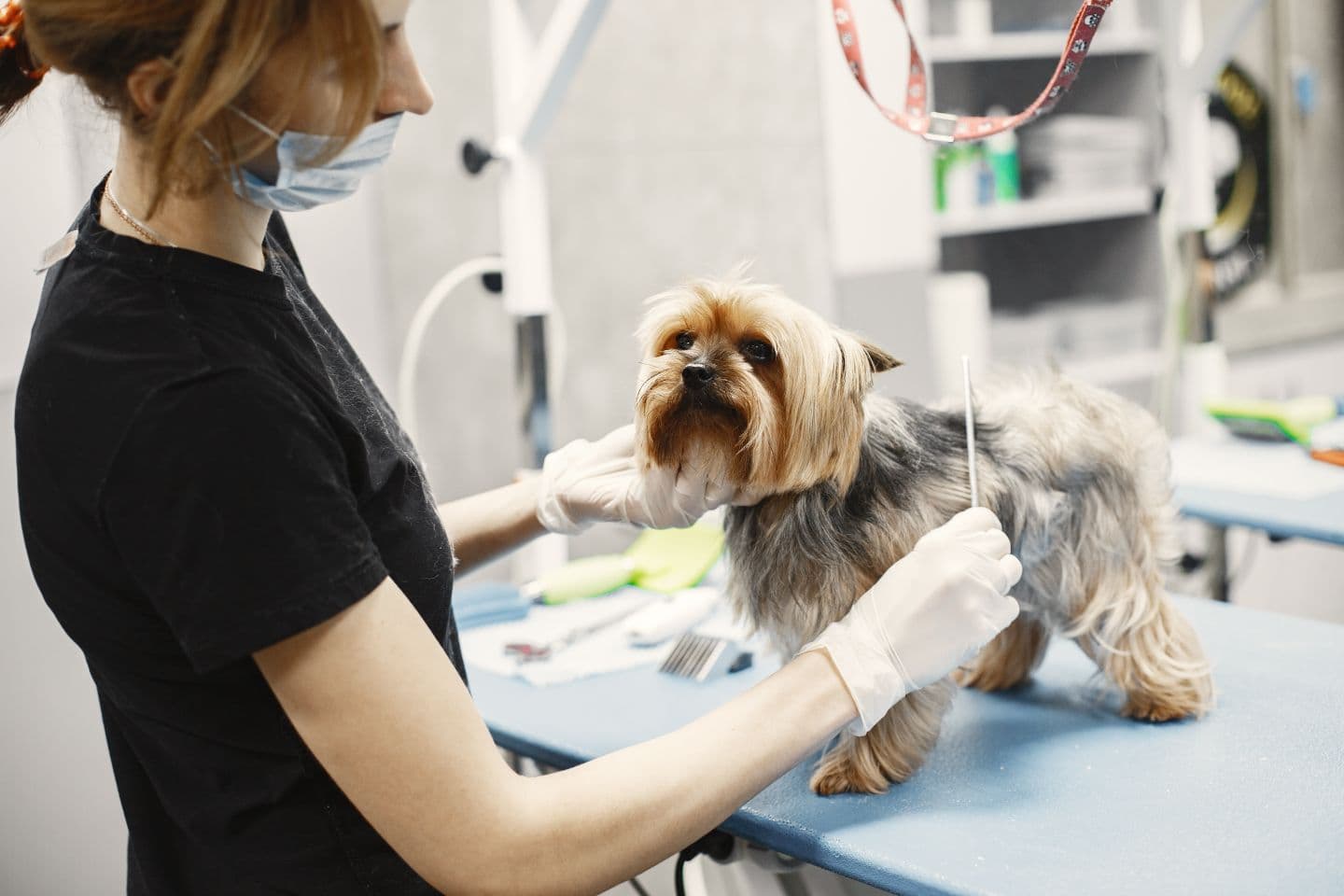
Ear cleaning is one of the more nerve-wracking grooming tasks for new owners, largely because nobody wants to hurt something as delicate looking as an ear canal. The good news is that a dog's ear cana
Ear cleaning is one of the more nerve-wracking grooming tasks for new owners, largely because nobody wants to hurt something as delicate looking as an ear canal. The good news is that a dog's ear canal is shaped like an L, bending sharply partway down, which makes gentle home cleaning of the outer portion genuinely low-risk when done correctly.
What you will need
A vet-approved ear cleaning solution, never water, olive oil, or vinegar
Cotton balls or gauze, never cotton buds
A towel, since your dog will likely shake its head partway through
The technique
Lift the ear flap and fill the canal generously with the cleaning solution, without letting the bottle tip touch the ear itself. Gently massage the base of the ear for about thirty seconds, you should hear a soft squelching sound as the solution loosens debris. Let go and allow your dog to shake its head, which does much of the work of bringing debris up and out. Finally, wipe away what has loosened using a cotton ball or gauze, going only as far as a fingertip can comfortably reach, never deeper.
Why this matters more during monsoon
Ear infections spike noticeably in Indian dogs during the monsoon, since humidity and moisture from walks and baths create a warm, damp environment where yeast and bacteria multiply quickly. Floppy-eared breeds like Cocker Spaniels, Basset Hounds, and retrievers are especially prone to this, since their ear flaps trap air circulation. Drying the outer ear thoroughly after every bath and walk during the rainy months is worth the extra minute.
Signs that call for a vet, not a cotton ball
A strong or unusual odour from the ear
Dark, coffee-ground looking discharge
Redness, swelling, or visible pain when the ear is touched
Constant head shaking or scratching at one ear
How often is often enough
Most dogs with healthy, upright ears do fine with a check every couple of weeks and a full clean roughly once a month. Floppy-eared breeds, dogs who swim regularly, and dogs with a history of ear infections often need a weekly wipe-down of the outer ear and a proper clean every one to two weeks, ideally on your vet's specific advice. Over-cleaning healthy ears is a real thing too, it can irritate the ear canal lining and disrupt its natural balance, so more is not automatically better.
What about ear hair plucking?
Breeds like Poodles and some terriers grow hair inside the ear canal, and pulling it out was once routine grooming advice. Vets today are more divided on this, plucking can improve airflow in ears prone to infection, but done roughly it can also cause micro-irritation that makes things worse. This is best left to a groomer or vet who can judge whether your dog's specific ears benefit from it, rather than attempted as a casual home task.
Beyond the familiar Great Dane and Saint Bernard, a number of large, calm breeds carry the same gentle-giant temperament without quite the same name recognition. Most remain genuinely rare in India, b
A once-bouncy dog that suddenly seems flat, uninterested in walks, and withdrawn from the family is unsettling to watch, and the question that naturally follows is whether dogs can actually feel somet
A healthy dog isn't just a contented one; they're more playful, more energetic and more emotionally settled. As their owner, you're the biggest factor in how well your dog thrives, day in and day out.