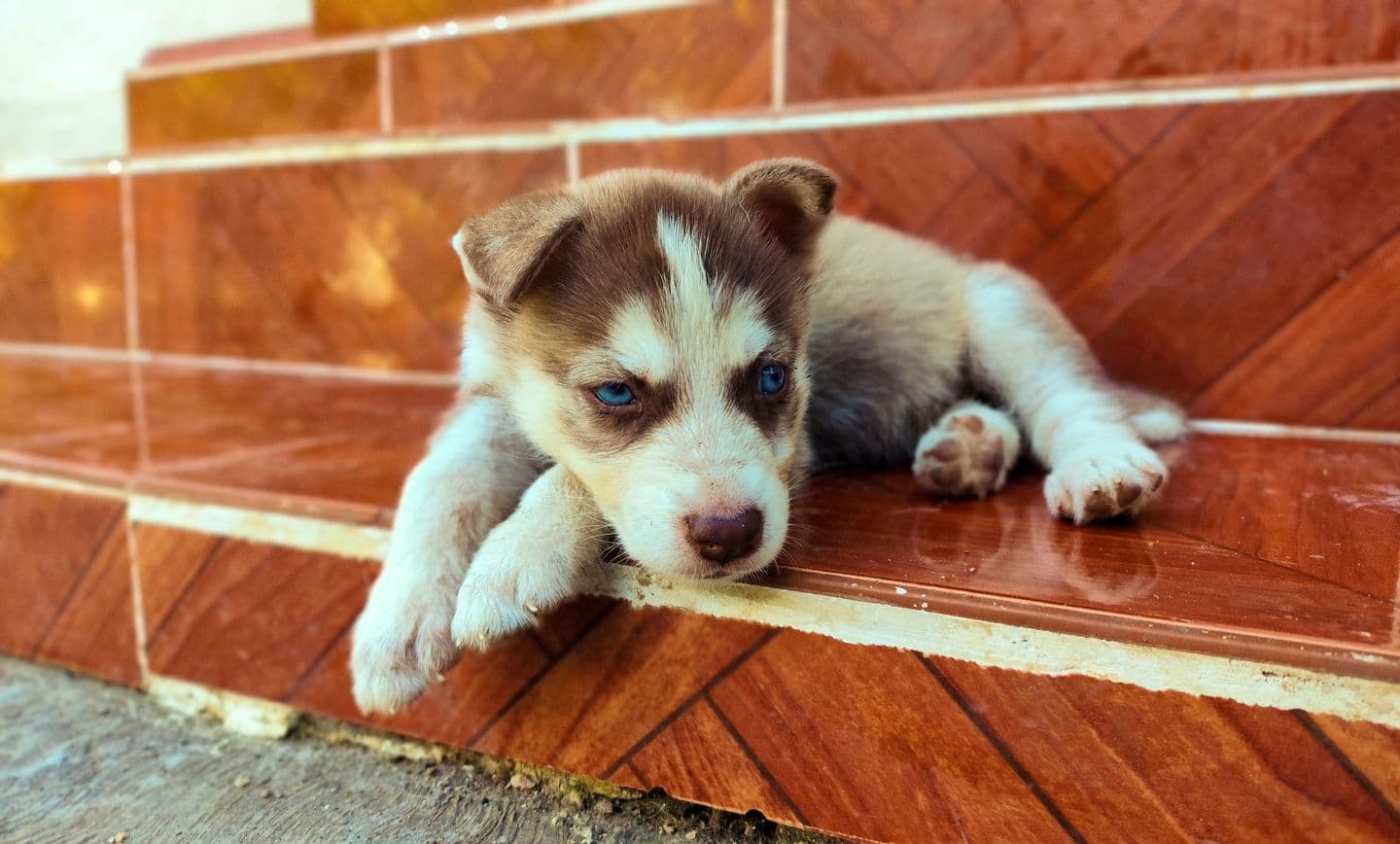
Grooming a puppy is less about the individual tasks, brushing, nail trims, ear checks, and more about the habit you are building underneath them. A puppy who learns early that being handled all over i
Grooming a puppy is less about the individual tasks, brushing, nail trims, ear checks, and more about the habit you are building underneath them. A puppy who learns early that being handled all over is normal and rewarding grows into an adult dog who tolerates grooming, vet visits, and general handling with far less fuss.
Start with handling, not tools
Before you ever pick up a brush or clipper, spend a few minutes daily simply touching your puppy's paws, ears, tail, and mouth, rewarding calm acceptance each time. This desensitisation groundwork matters more than any single grooming technique, since a puppy that already trusts being touched everywhere will accept the tools far more easily when you introduce them.
Introducing each tool gradually
Let the puppy sniff and investigate a brush, clipper, or nail trimmer before it touches their body
Turn on clippers or a nail grinder near the puppy first, without using them, so the sound stops being alarming
Do one small step per session, a few brush strokes, one nail, a quick ear look, rather than a full grooming session
End every session on a positive note with a treat or favourite toy
A realistic weekly routine for young puppies
Short daily handling sessions of two to three minutes work far better than one long weekly grooming marathon. Brush a growing coat two to three times a week, check ears weekly, and introduce nail trims gently every few weeks even before nails genuinely need cutting, purely to keep the experience familiar.
Patience pays off later
The extra weeks spent on gentle, low-pressure handling during puppyhood are what separate an adult dog who calmly accepts a nail trim from one who needs to be restrained for every vet visit. It is genuinely worth the slower start.
The puppy's first real nail trim
Once your puppy tolerates having its paws held without pulling away, a real trim can begin, usually from around eight to ten weeks. Puppy nails are thin and the quick sits close to the tip, so take off only the very sharp point, a sliver at a time, rather than a proper adult-length cut. Doing this every two weeks or so keeps pace with fast puppy growth and keeps the whole experience low-stakes.
Teeth and coat during the growth months
Puppies begin losing baby teeth from around four months, and gentle gum and tooth handling during brushing practice helps you notice any retained baby teeth that have not fallen out on schedule, worth flagging to your vet. Coat brushing during this period should stay gentle and short, since a growing puppy's skin is still more sensitive than an adult dog's.
Beyond the familiar Great Dane and Saint Bernard, a number of large, calm breeds carry the same gentle-giant temperament without quite the same name recognition. Most remain genuinely rare in India, b
A once-bouncy dog that suddenly seems flat, uninterested in walks, and withdrawn from the family is unsettling to watch, and the question that naturally follows is whether dogs can actually feel somet
A healthy dog isn't just a contented one; they're more playful, more energetic and more emotionally settled. As their owner, you're the biggest factor in how well your dog thrives, day in and day out.