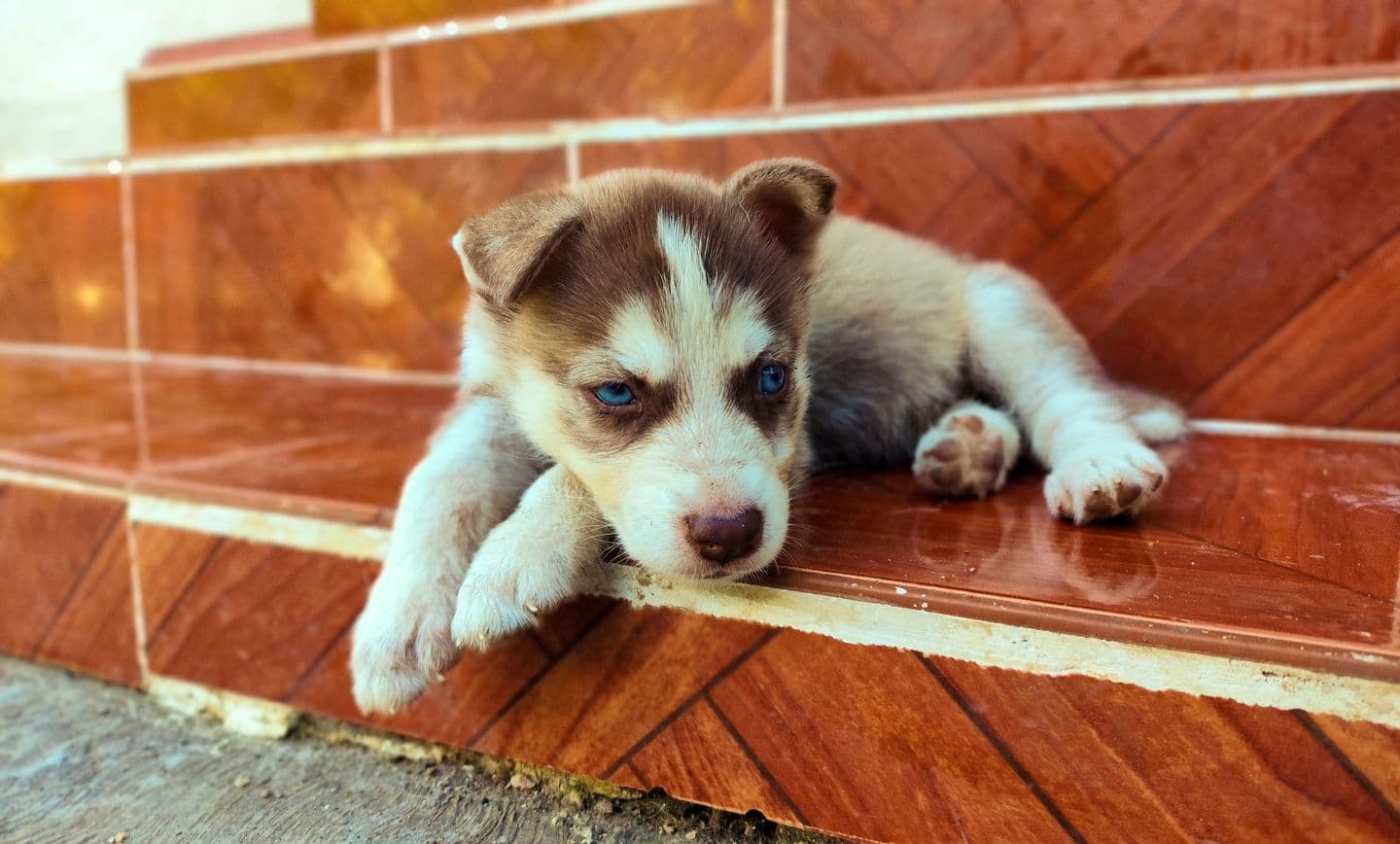
Puppy Grooming and Handling: Building the Habit Early
The way you handle your puppy in those first few weeks lays the groundwork for your entire relationship. Handling isn't just about grooming, it's one of the most powerful bonding tools you have.
The way you handle your puppy in those first few weeks lays the groundwork for your entire relationship. Handling isn't just about grooming, it's one of the most powerful bonding tools you have.
Start Handling From Week One
Getting your puppy comfortable with being touched from day one turns grooming into a positive, even enjoyable, routine rather than a battle. That early groundwork pays off later when you need to check their paws, gums or ears at home, and it makes trips to the vet for jabs and check-ups far less stressful for everyone involved.
Keep your approach calm and firm, and always gentle. Work through your pup systematically: start at the head to check gums and teeth, move on to the ears, then handle the paws, including the nails. Some breeds, terriers especially, really dislike having their paws touched. Persist gently anyway, since being able to examine their paws could matter a great deal if they ever have an injury later in life. Sprinkling in a favourite treat now and then helps puppies associate handling with something good.
Does My Puppy Need Baths?
Dogs naturally produce oils that keep their coat in good condition, and regular brushing helps distribute these, so bathing isn't something you need to do often. That said, if your puppy finds something irresistibly smelly to roll in, a bath becomes non-negotiable.
Because emergencies like this happen when you least expect them, it's worth having supplies ready in advance:
Puppy shampoo
Grooming scissors
Fragrance-free wipes (baby wipes work well)
A double-sided pin-and-bristle grooming brush
Add these to your shopping list on your first trip to the pet store. Puppy skin is far more delicate than an adult dog's, so a shampoo made specifically for puppies is essential — never substitute an adult formula. Where possible, opt for a quick top-and-tail wash rather than a full bath, and always towel-dry thoroughly afterwards, finishing with a hairdryer on its lowest setting to avoid a chill, since puppies can't regulate their body temperature as well as adults.
How much grooming your pup needs depends on their coat. Short-haired breeds like terriers or beagles need little more than regular brushing. Dense, double-coated breeds, such as Old English Sheepdogs, will likely need a professional groomer's help. Certain breeds also have specific quirks — Cocker Spaniels, for instance, need regular ear cleaning to avoid infections. Your vet can offer tailored advice at your first check-up.
Trimming Nails
Walking on hard surfaces like pavement naturally wears nails down. As a rule of thumb, a dog's nails shouldn't touch the ground when they're standing normally. If they're getting long, ask your vet to show you how to trim them safely before attempting it yourself — dogs have a vein running through the nail called the quick, and cutting into it is painful and best avoided. It's fairly easy to spot in white nails but much trickier in black ones, since (much like our own nails) there's a nerve-free tip and a section further up that's sensitive. When in doubt, get your vet's guidance.
Bath Time, Step by Step
Brush the coat thoroughly while it's still dry, being careful not to tug at the skin — this clears out loose dirt and debris. If you hit a stubborn knot, use grooming scissors to cut it free, placing your flat hand between the scissors and the skin to avoid nicking your pup by accident. Doing this before wetting the coat matters, because knots tighten and tangle further once wet, sometimes to the point where a groomer has no choice but to shave the coat.
Once the coat is knot-free, wet it with warm water, starting at the back of the neck and shoulders and working towards the tail — avoid pouring water over the head or near the ears. Gently massaging as you go helps keep your puppy relaxed. Use fragrance-free wipes for the ears, and damp cotton wool for the eye area, always wiping away from the eyes to prevent infection.
Work the shampoo into a lather, rinse most of it out, then apply a second round before doing a final, thorough rinse — any leftover residue can irritate the skin. Keep well clear of the head throughout. Once rinsed, towel-dry and finish with a hairdryer on a low setting, always aimed away from the face. Offering treats throughout the bath and dry helps keep the whole experience positive.
Puppy grooming takes a bit of effort, but it's genuinely good fun for both of you — and there's nothing quite like the reward of a soft, freshly washed puppy at the end of it.
Beyond the familiar Great Dane and Saint Bernard, a number of large, calm breeds carry the same gentle-giant temperament without quite the same name recognition. Most remain genuinely rare in India, b
A once-bouncy dog that suddenly seems flat, uninterested in walks, and withdrawn from the family is unsettling to watch, and the question that naturally follows is whether dogs can actually feel somet
A healthy dog isn't just a contented one; they're more playful, more energetic and more emotionally settled. As their owner, you're the biggest factor in how well your dog thrives, day in and day out.