The Three-Point Grooming Checklist Every Indian Dog Owner Needs
Grooming often gets filed under vanity, something you do before guests arrive or before a festival photo. In reality, coat, teeth, and nails are three separate health systems, and neglecting any one o
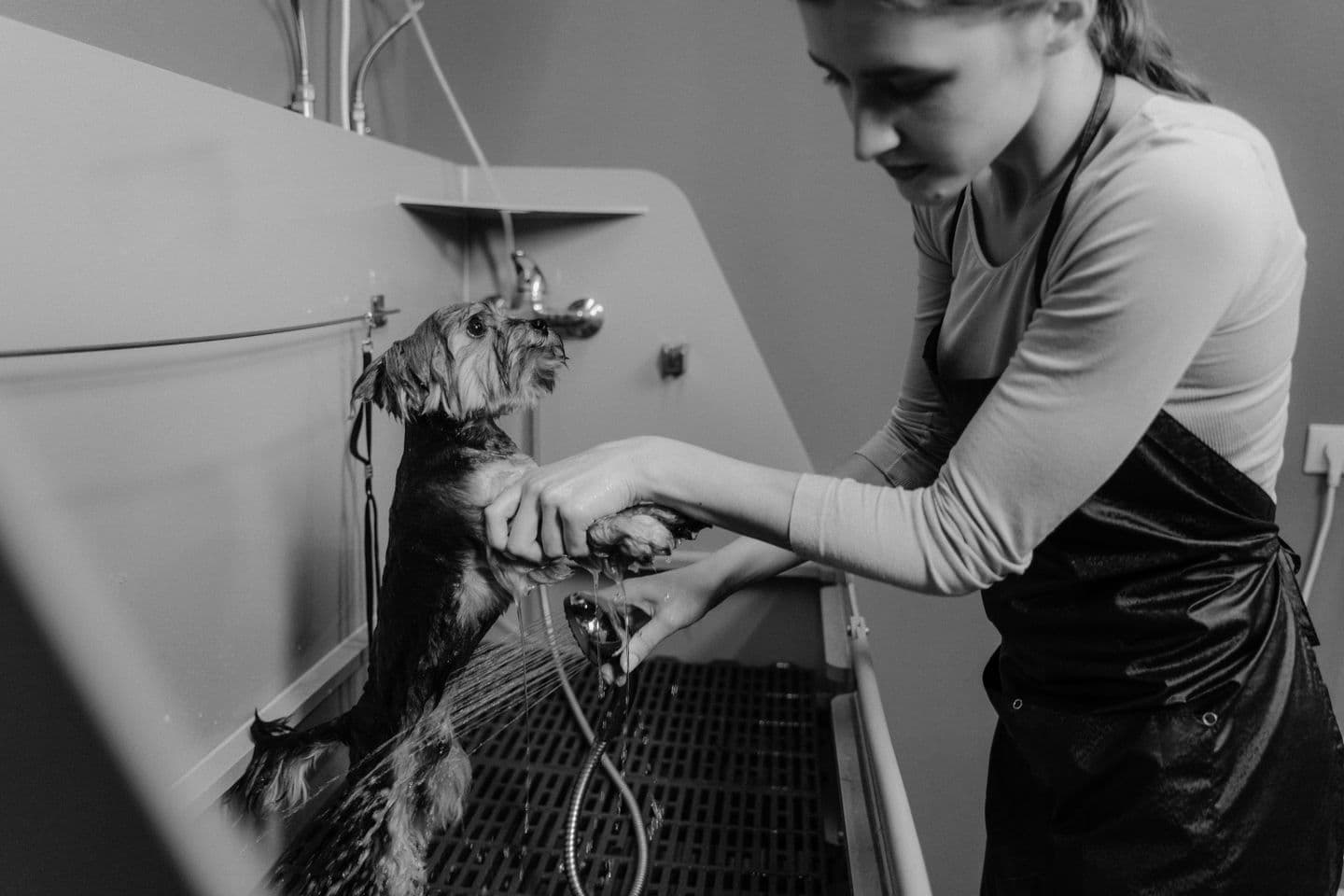
Grooming often gets filed under vanity, something you do before guests arrive or before a festival photo. In reality, coat, teeth, and nails are three separate health systems, and neglecting any one of them shows up as a vet bill sooner or later. Here is a working checklist built around how Indian homes and climates actually function.
Coat: brushing is not optional
Regular brushing removes loose fur before it mats, distributes natural skin oils along the coat, and gives you a weekly chance to spot ticks, lumps, or bald patches early. Short-coated Indian breeds and indie dogs still benefit from a rubber curry brush two or three times a week. Longer-coated breeds such as Golden Retrievers, Shih Tzus, and Lhasa Apsos need brushing most days, particularly during the monsoon when a damp, matted coat turns into a breeding ground for skin infections within days.
Teeth: the most skipped item on the list
Veterinary dentists estimate that a large majority of dogs past the age of three already show some degree of dental disease. Daily brushing with a dog-specific toothpaste is the single most effective home habit, but even brushing three or four times a week meaningfully slows plaque buildup. Dental chews and an annual vet check of the mouth round out the routine.
Nails: the one people fear most
Overgrown nails change how a dog stands and walks, and over months this can strain joints and the spine. Most dogs need a trim every two to four weeks, faster for dogs that spend most of their time on soft ground like grass or carpet, slower for dogs that regularly walk on rough concrete, which files nails down naturally.
A simple weekly rhythm
Brush the coat two to five times a week depending on coat length
Brush teeth daily, or at minimum four times a week
Check nails every two weeks, trim when you hear them click on the floor
Check ears weekly, especially through the monsoon
Bathe on a schedule suited to coat and season, not a fixed calendar date
When to bring in a professional
None of this requires a groomer for every single session, but a professional groom every six to eight weeks is worth budgeting for, particularly for longer-coated breeds. A groomer catches early mats hiding close to the skin, trims nails on dogs who fight the process at home, and can flag skin or ear issues you might miss. Treat home care and professional grooming as complementary rather than either-or.
Beyond the familiar Great Dane and Saint Bernard, a number of large, calm breeds carry the same gentle-giant temperament without quite the same name recognition. Most remain genuinely rare in India, b
A once-bouncy dog that suddenly seems flat, uninterested in walks, and withdrawn from the family is unsettling to watch, and the question that naturally follows is whether dogs can actually feel somet
A healthy dog isn't just a contented one; they're more playful, more energetic and more emotionally settled. As their owner, you're the biggest factor in how well your dog thrives, day in and day out.