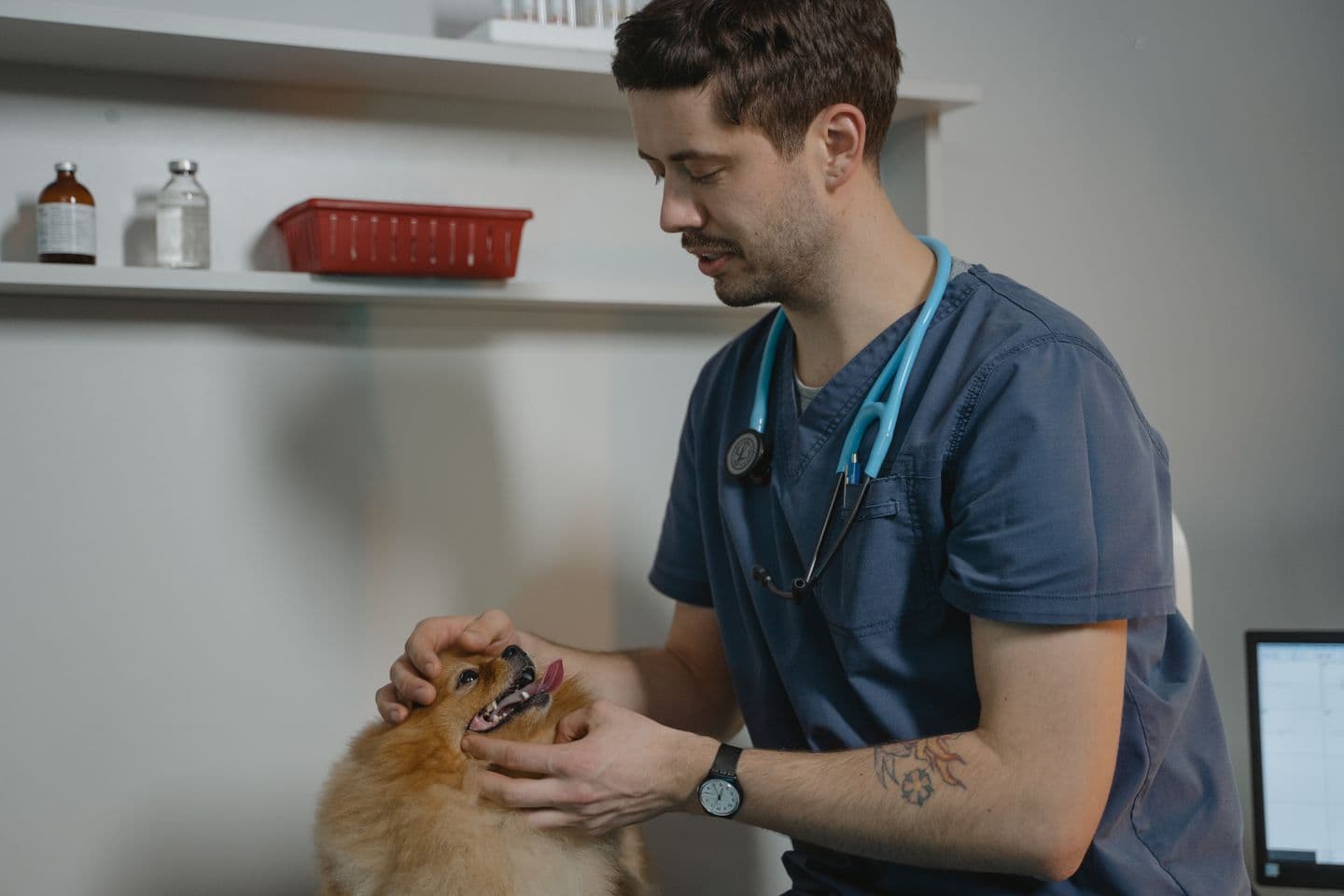
An abscess is a painful pocket of infection that forms under the skin, usually after bacteria enter through a wound. They are especially common in dogs that roam freely, get into scuffles with other a
An abscess is a painful pocket of infection that forms under the skin, usually after bacteria enter through a wound. They are especially common in dogs that roam freely, get into scuffles with other animals, or spend time outdoors, all fairly typical scenarios for pets in many Indian neighbourhoods.
Common Causes
Bite wounds from fights with other dogs, cats, or street animals
Puncture wounds from thorns, sticks, or sharp debris
Infected anal glands
Dental disease, particularly infected tooth roots, which can cause facial abscesses
Foreign objects such as grass awns or splinters lodged under the skin
Anal gland abscesses deserve a special mention, since they are common and have a distinct pattern. They develop when the small glands on either side of a dog's anus become blocked and infected, causing a painful swelling that dogs often respond to by scooting, excessive licking under the tail, or straining to defecate. These need veterinary drainage and, in dogs with recurring blockages, a longer term management plan.
Signs to Watch For
A firm or soft, painful swelling under the skin
Warmth or redness around the swollen area
A foul smelling discharge if the abscess has ruptured
Fever, lethargy, or reduced appetite
Limping or reluctance to be touched near the affected area
Treatment
Abscesses need proper veterinary treatment rather than home management. A vet will typically drain the abscess under sedation or local anaesthesia, flush the area, and prescribe antibiotics along with pain relief. In some cases, especially with dental or deep abscesses, more involved treatment such as tooth extraction or surgical debridement may be needed. An Elizabethan collar is often recommended afterwards to stop your dog licking or scratching the healing site.
If an Abscess Ruptures Before You Reach a Vet
Gently clean away discharge with a clean cloth and mild saline solution, and keep your dog from licking the area. This is first aid only, not a substitute for veterinary care, since the underlying infection still needs proper treatment and often antibiotics to fully resolve.
Prevention
Keep vaccinations current, particularly rabies, given the risk from bite wounds
Supervise interactions with unfamiliar dogs to reduce fight related injuries
Check your dog's coat and skin regularly for small wounds after outdoor time
Maintain routine dental care to lower the risk of dental abscesses
Costs and What to Expect Financially
Treatment for a straightforward abscess, involving drainage, cleaning, and a course of antibiotics, is generally one of the more affordable vet procedures, though costs rise for deeper or dental related abscesses needing sedation or extraction. Asking your vet for a rough estimate before treatment begins, and mentioning any budget constraints upfront, helps you plan without compromising on the recommended standard of care.
Pet insurance, though still a relatively new concept for many Indian pet parents, can help offset the cost of unexpected issues like abscesses, particularly for dogs with a history of fights or outdoor injuries. It is worth researching policies while your dog is healthy, since pre existing conditions are typically excluded from coverage once diagnosed.
Common Questions
Are abscesses from stray dog bites more dangerous?
Bite wounds from unknown or unvaccinated animals carry an added risk beyond the abscess itself, including possible rabies exposure. Any bite wound, especially from an animal of unknown vaccination status, should be seen by a vet promptly.
Can an abscess heal without a vet visit?
A very small one may occasionally drain and heal on its own, but veterinary evaluation is still recommended to address the underlying cause and confirm there is no foreign object or deeper infection left behind.
This article is for general awareness and does not replace veterinary advice. If your dog is unwell, consult a veterinarian promptly.
Beyond the familiar Great Dane and Saint Bernard, a number of large, calm breeds carry the same gentle-giant temperament without quite the same name recognition. Most remain genuinely rare in India, b
A once-bouncy dog that suddenly seems flat, uninterested in walks, and withdrawn from the family is unsettling to watch, and the question that naturally follows is whether dogs can actually feel somet
A healthy dog isn't just a contented one; they're more playful, more energetic and more emotionally settled. As their owner, you're the biggest factor in how well your dog thrives, day in and day out.