Ataxia in Dogs: Causes, Symptoms, Diagnosis and Treatment
Dogs are built for agility and coordination, so it's unsettling when a pet suddenly starts to wobble, stumble or lose their balance. One possible explanation is ataxia, a neurological symptom that int
Dogs are built for agility and coordination, so it's unsettling when a pet suddenly starts to wobble, stumble or lose their balance. One possible explanation is ataxia, a neurological symptom that interferes with a dog's ability to control movement and stay steady on their feet.
Ataxia itself isn't a disease. It's a sign that something else is affecting the nervous system, which is exactly why catching it early matters. The sooner it's recognised, the sooner a vet can get to the underlying cause.
What Is Ataxia?
Ataxia describes a loss of coordination or balance rooted in the nervous system. It happens when the brain can no longer communicate properly with the body about movement and positioning. Dogs affected may look wobbly, clumsy or unable to walk in their usual way. The problem can originate in the brain, spinal cord or inner ear, all of which play a role in balance and movement control, and because it points to a neurological issue underneath, it always warrants a veterinary visit.
Common Signs
Symptoms vary depending on which part of the nervous system is affected, but they usually appear suddenly and stand out against a dog's normal gait. Watch for:
Stumbling or swaying while walking
Loss of balance, or falling to one side
Head tilting
An uncoordinated or unusual gait
Difficulty placing the paws correctly
Dragging or knuckling of the feet
Rapid or abnormal eye movements (nystagmus)
Some dogs also take exaggerated steps, as though unsure exactly where their limbs are.
Three Types of Ataxia
Vets generally group ataxia into three categories, depending on where the underlying problem sits.
Vestibular Ataxia
This stems from a problem in the inner ear or brainstem, the structures that govern balance and orientation. Signs include head tilt, circling or falling, dizziness or nausea, and abnormal eye movements.
Cerebellar Ataxia
The cerebellum coordinates movement, so when it's affected dogs tend to show exaggerated, jerky motion: a high-stepping gait, tremors of the head or body, and trouble judging the speed or distance of their own movements.
Proprioceptive (Sensory) Ataxia
Here the spinal cord or nerves can no longer accurately sense limb position. Affected dogs may drag their toes, place their paws incorrectly, walk with a wide, unsteady stance, and show weakness in the limbs.
What Causes It
A wide range of underlying conditions can trigger ataxia, including:
Inner or middle ear infections
Spinal cord injuries or disc disease
Brain tumours
Head trauma
Vestibular disease
Hypothyroidism
Exposure to toxins or certain medications
Infectious diseases such as canine distemper
Because the possible causes are so varied, pinning down the exact one is essential before treatment can start.
How Vets Diagnose It
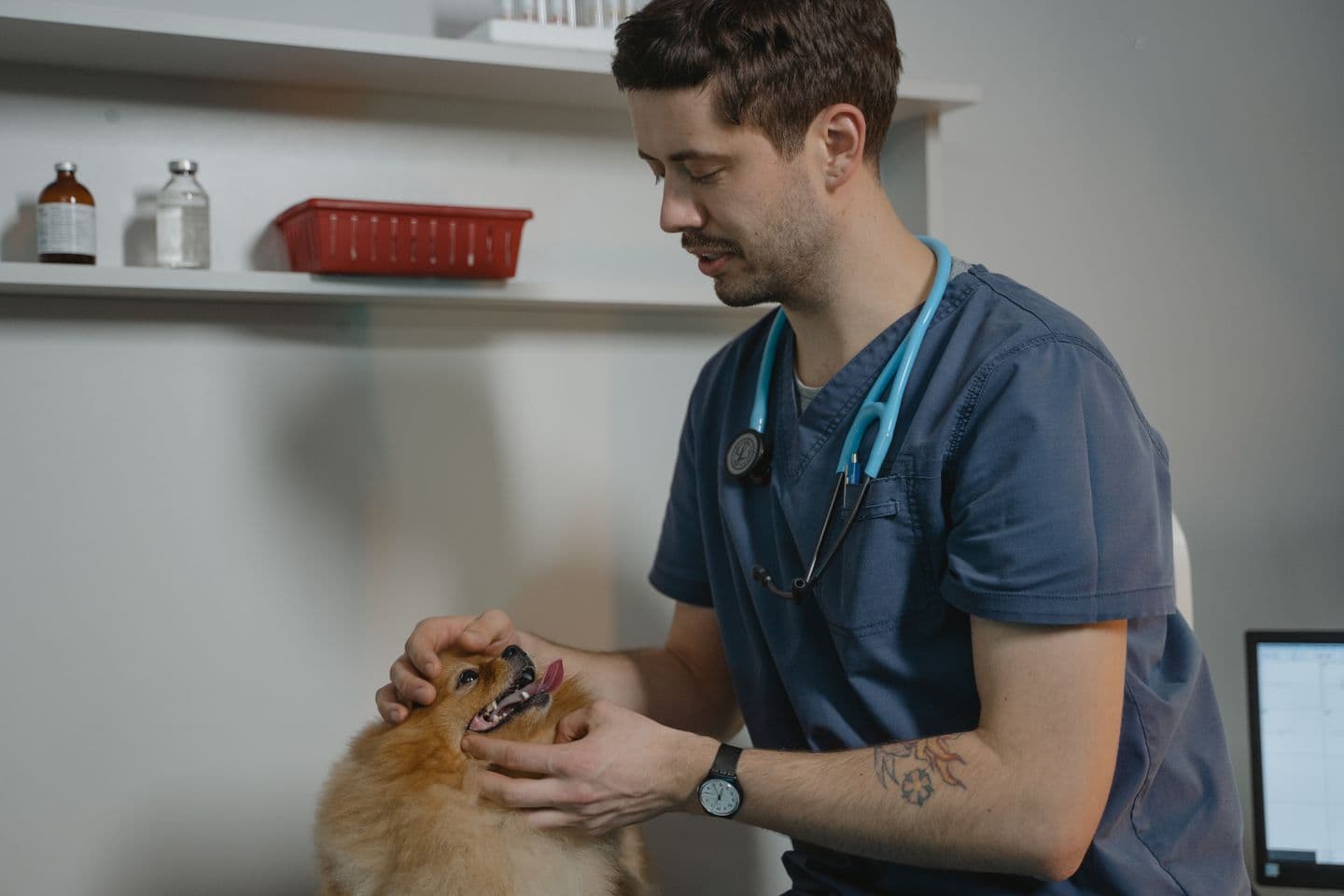
Diagnosis typically begins with a neurological exam assessing balance, coordination and reflexes. Depending on the findings, a vet may also run blood tests to check for infection or metabolic issues, take X-rays or other imaging, order a CT or MRI of the brain or spine, examine the ears, or test the cerebrospinal fluid. Together, these help identify exactly what's driving the abnormal movement.
Treatment
Treatment depends entirely on the underlying cause and can include antibiotics for infection, anti-inflammatory medication, surgery for tumours or spinal problems, nutritional support where a deficiency is involved, and physical therapy or supportive care. Some cases, particularly those linked to vestibular disorders, resolve well with time and supportive care alone.
Can It Be Prevented?
Because many causes are genetic or tied to underlying neurological disease, ataxia can't always be prevented. Owners can still lower the risk by preventing head injuries, keeping up with regular vet checkups, treating ear infections promptly, and keeping dogs away from toxins and harmful medications. Early attention remains the best safeguard against complications.
See a vet immediately if your dog suddenly loses balance, cannot stand or walk, shows abnormal eye movements, or has a head tilt accompanied by vomiting or confusion.
Beyond the familiar Great Dane and Saint Bernard, a number of large, calm breeds carry the same gentle-giant temperament without quite the same name recognition. Most remain genuinely rare in India, b
A once-bouncy dog that suddenly seems flat, uninterested in walks, and withdrawn from the family is unsettling to watch, and the question that naturally follows is whether dogs can actually feel somet
A healthy dog isn't just a contented one; they're more playful, more energetic and more emotionally settled. As their owner, you're the biggest factor in how well your dog thrives, day in and day out.