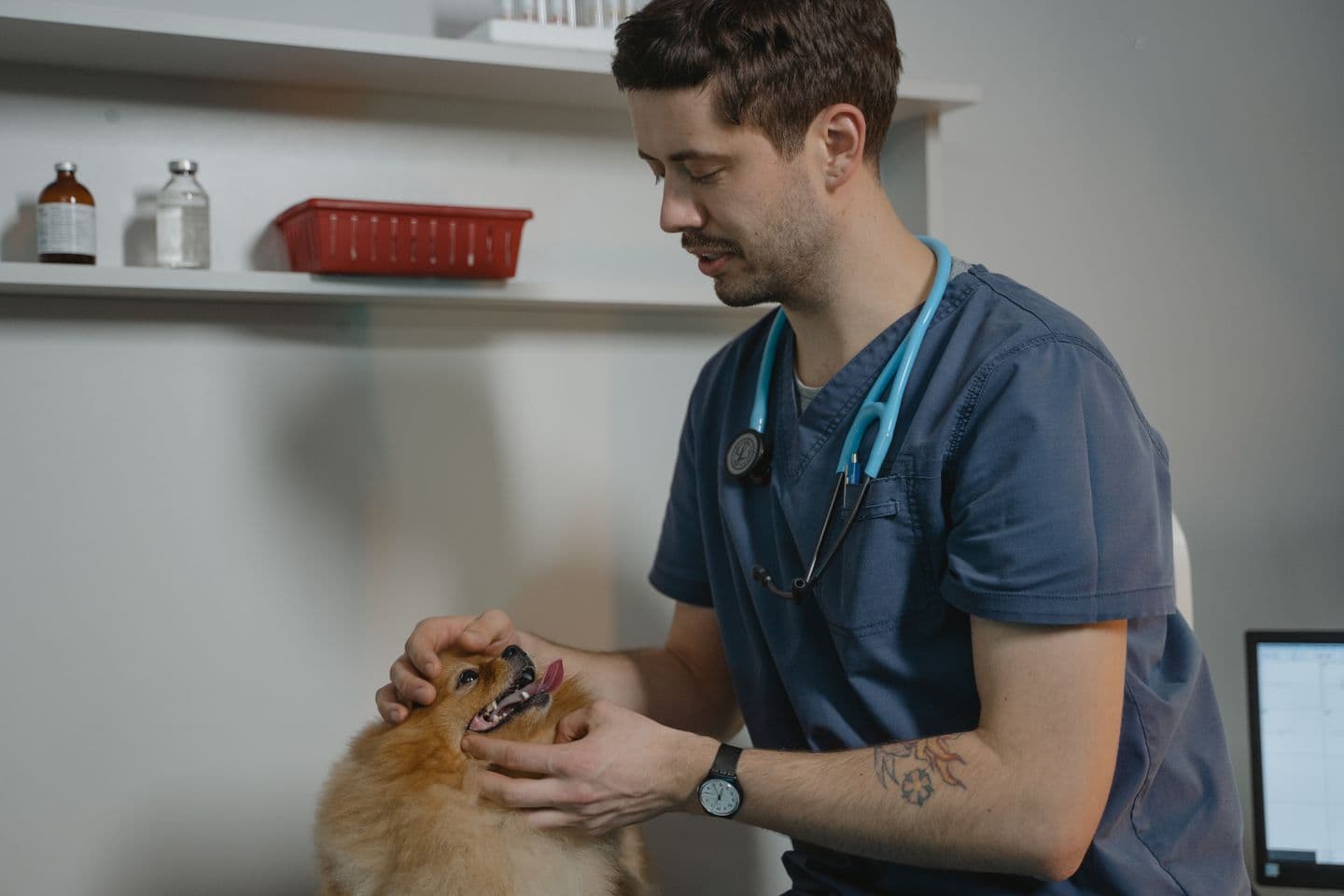
Atopic Dermatitis in Dogs: Managing a Lifelong Environmental Allergy
Atopic dermatitis, often simply called atopy, is one of the most common and most frustrating skin conditions in dogs, a genetically inherited tendency to develop an allergic reaction to everyday envir
Atopic dermatitis, often simply called atopy, is one of the most common and most frustrating skin conditions in dogs, a genetically inherited tendency to develop an allergic reaction to everyday environmental substances that most dogs tolerate without issue. It cannot be cured, but with the right combination of treatments, most affected dogs can live comfortably.
What Is Happening in the Skin
Dogs with atopic dermatitis have a defective outer skin barrier, allowing environmental allergens, pollen, dust mites, mould spores and similar, to penetrate more easily than in a normal dog's skin. Once these allergens breach the barrier, the immune system mounts an exaggerated inflammatory response, producing the intense itching that defines this condition. It typically first appears in dogs between six months and three years of age and is considered a genetic predisposition, meaning certain breeds and even certain family lines are more prone to it. Studies suggest it affects somewhere between ten and fifteen per cent of the general dog population, making it one of the most common chronic skin conditions vets see.
Where and How It Shows Up
Persistent licking of the paws, often leaving a rust-coloured staining from saliva on light-coloured fur.
Rubbing the face and ears against furniture or carpet.
Recurring ear infections, sometimes the first and only obvious sign for months.
Redness and inflammation of the belly, armpits, groin and skin folds.
Secondary skin and ear infections developing on top of the underlying allergy, since broken, inflamed skin is more vulnerable to bacteria and yeast.
Diagnosis by Exclusion
There is no single definitive test for atopic dermatitis. A vet reaches this diagnosis by ruling out other causes of itching, fleas, mites, food allergy, and infections, and by building a picture from the pattern, timing and history of symptoms. If itching occurs year round rather than seasonally, a food elimination trial is often recommended alongside environmental allergy investigation, since the two conditions frequently overlap in the same dog.
The Multimodal Approach to Treatment
Because atopic dermatitis is a complex, multi-layered condition, effective management almost always combines several approaches rather than relying on one medication alone. Daily oral medications such as oclacitinib, or monthly injections such as lokivetmab, target the itch pathway directly and provide relatively fast relief. Medicated shampoos and topical treatments support the skin barrier and manage secondary infections. Omega-3 fatty acid supplements can meaningfully improve skin barrier function over weeks of consistent use. For dogs where specific allergens have been identified through testing, allergen-specific immunotherapy remains the only treatment that addresses the underlying immune response itself rather than simply controlling symptoms.
Living With a Dog With Atopic Dermatitis
Expect ongoing management rather than a cure, and build a realistic long-term routine with your vet rather than searching for a single fix.
Keep flea prevention consistent year round, since flea bites can trigger a flare in an already sensitised dog, even one whose primary allergy is environmental.
Wash bedding regularly and vacuum frequently to reduce household dust mite exposure, a genuinely helpful step for indoor allergen control.
Watch closely for secondary skin or ear infections developing on top of the underlying allergy, and treat these promptly rather than assuming they will resolve alongside the allergy itself.
Building a Long-Term Care Team
Because atopic dermatitis is a lifelong condition requiring ongoing management rather than a single fix, many owners find it helpful to think of their vet as a long-term partner in a dog's care rather than someone visited only during flare-ups. Regular check-ins, even when things are going reasonably well, allow small adjustments to the treatment plan before minor issues become significant setbacks.
Building a simple shared folder or notebook of a dog's allergy history, test results, and past treatment responses makes transitions between vets, whether due to a house move or simply a second opinion, considerably smoother for continuity of care.
Good records, kept consistently over time, are one of the most underrated tools in managing a chronic condition well.
A little preparation removes much of the stress if this is ever needed.
Common Questions
Will my dog's atopic dermatitis go away as they get older?
No, this is a lifelong condition, though the severity can fluctuate over time and with the seasons, and good management keeps most dogs comfortable throughout their life.
Is atopic dermatitis the same as a food allergy?
No, though the two can look similar and sometimes occur together in the same dog. Atopic dermatitis is triggered by environmental allergens, while food allergy is triggered by ingredients in the diet.
How long does it take to see improvement after starting treatment?
Fast-acting medications for itching often show improvement within days, while approaches like immunotherapy or dietary changes for skin barrier support can take several weeks to months to show their full effect.
Beyond the familiar Great Dane and Saint Bernard, a number of large, calm breeds carry the same gentle-giant temperament without quite the same name recognition. Most remain genuinely rare in India, b
A once-bouncy dog that suddenly seems flat, uninterested in walks, and withdrawn from the family is unsettling to watch, and the question that naturally follows is whether dogs can actually feel somet
A healthy dog isn't just a contented one; they're more playful, more energetic and more emotionally settled. As their owner, you're the biggest factor in how well your dog thrives, day in and day out.