Bloody Diarrhoea in Dogs: Identifying the Causes and Getting the Right Treatment
Finding blood in a dog's stool is one of the more frightening things a pet parent can encounter, and rightly so, since it can range from a minor, self-limiting upset to a genuine emergency. Understand
Finding blood in a dog's stool is one of the more frightening things a pet parent can encounter, and rightly so, since it can range from a minor, self-limiting upset to a genuine emergency. Understanding the possible causes, and recognising when speed matters, makes all the difference in how this plays out.
Common Causes
Dietary indiscretion, a dog raiding the bin, eating spoiled food, or being given something too rich or fatty, is one of the most frequent triggers, and is common around Indian festivals and family gatherings when scraps and sweets are more freely available. Intestinal parasites, stress, sudden diet changes, infections, and certain toxins can also cause bloody stool. A more serious and specific condition, acute haemorrhagic diarrhoea syndrome, previously known as haemorrhagic gastroenteritis, causes a sudden onset of profuse, jelly-like bloody diarrhoea and needs urgent veterinary treatment, since it can progress to severe dehydration and shock within as little as twelve to twenty-four hours.
Recognising When It Is an Emergency
Small breeds, including Yorkshire Terriers, Miniature Schnauzers, Shih Tzus and similar toy breeds popular across Indian cities, appear to be more prone to the more serious haemorrhagic form. Warning signs that this is not a minor upset include repeated vomiting alongside the diarrhoea, visible lethargy or weakness, pale gums, a distended or painful abdomen, and stool that looks like dark jelly or contains a large volume of fresh blood rather than just streaking. Any of these signs warrants an immediate vet visit rather than a wait-and-see approach.
What the Vet Will Do
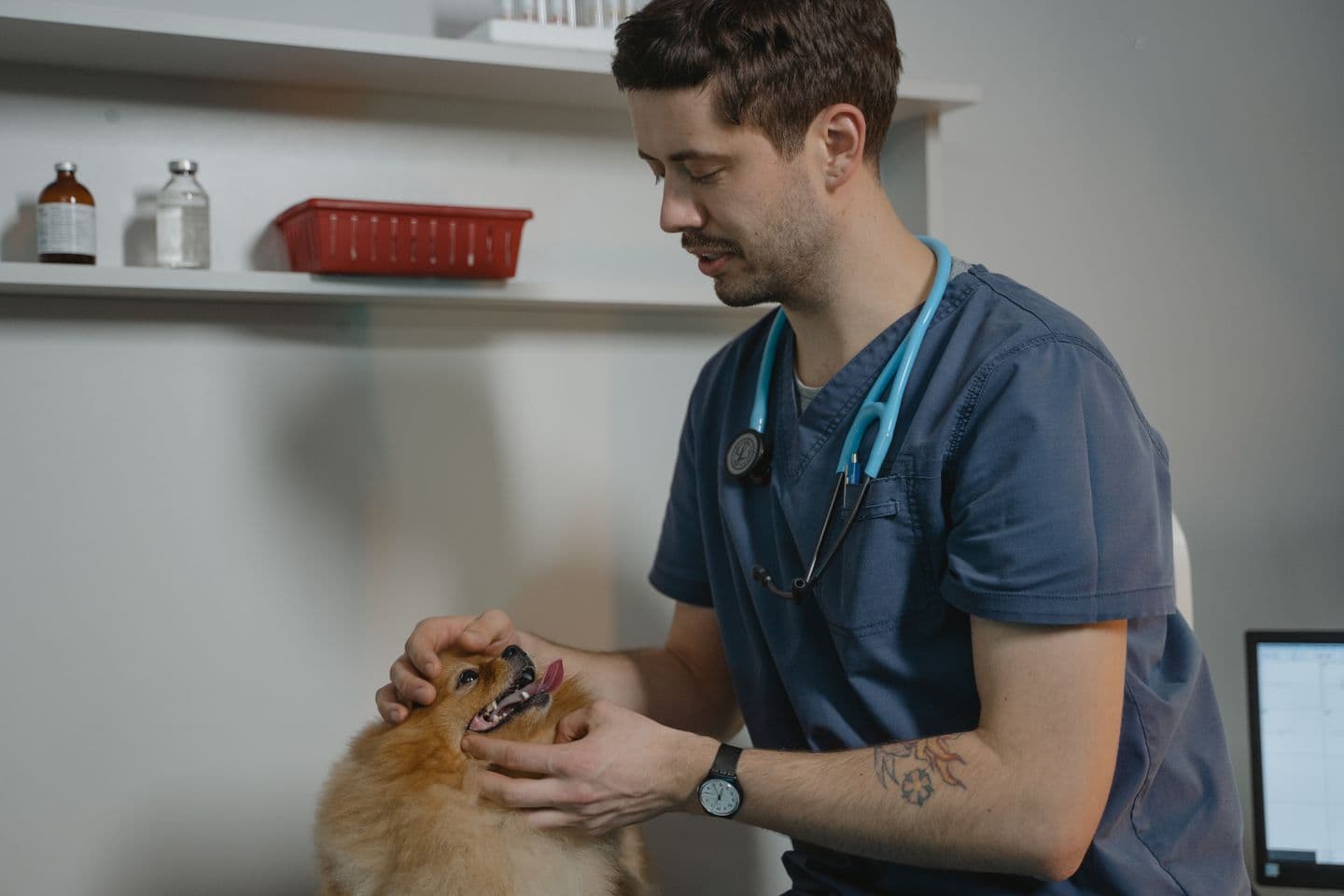
Treatment depends heavily on the underlying cause and severity. For dogs showing signs of dehydration or shock, intravenous fluids are the priority and are often the single most important part of treatment. Blood and stool tests help rule out parasites, infection or other contributing factors, and a packed cell volume blood test, which measures how concentrated the blood is, helps the vet judge how severely fluid has been lost into the gut. Antibiotics are used selectively, mainly in more severe cases or where there is a specific concern about bacterial involvement. Most dogs that receive prompt treatment recover well within a few days, though severe cases can require several days of hospitalisation.
What Owners Can Do at Home Before Reaching the Vet
Do not offer food until you have spoken to a vet, since resting the gut is often part of initial management.
Keep fresh water available, though do not force a dog that is actively vomiting to drink large amounts at once.
Collect a stool sample if possible, since this can speed up diagnosis at the clinic.
Avoid giving any human medication, including anti-diarrhoeal tablets, without specific veterinary advice, since some are unsafe for dogs.
Preventing Repeat Episodes
Once a dog has recovered from an episode of bloody diarrhoea, a gradual, careful reintroduction to their normal diet, and continued avoidance of any known dietary trigger such as rich table scraps, reduces the chance of a repeat episode. Dogs who have had one episode of significant gastrointestinal upset are somewhat more prone to another under similar stress, so keeping meals consistent around known stressful periods, travel, festivals, boarding, can help avoid a recurrence.
Since stress and dietary indiscretion are such common contributors, keeping a simple record of what a dog ate and any unusual events in the day or two before an episode of bloody diarrhoea can help both owner and vet spot a pattern more quickly if it happens again.
A calm, methodical approach in the aftermath usually serves both dog and owner better than reacting to every fluctuation with alarm.
This is worth revisiting periodically rather than setting once and forgetting.
Common Questions
Is a small streak of blood in stool always an emergency?
Not necessarily. A single episode of mild streaking without other symptoms is often less concerning than sudden, profuse, jelly-like bloody diarrhoea, but any blood is worth mentioning to your vet, and repeated episodes should always be checked.
Can stress alone cause bloody diarrhoea in dogs?
Yes, significant stress or a sudden change in environment can occasionally trigger colitis with some blood in the stool, though this is usually milder than infectious or dietary causes.
How is haemorrhagic diarrhoea different from ordinary diarrhoea with a bit of blood?
The haemorrhagic form comes on very suddenly, involves a large volume of dark, jelly-like blood, and is usually accompanied by significant vomiting and rapid dehydration, making it considerably more urgent than typical mild diarrhoea.
Beyond the familiar Great Dane and Saint Bernard, a number of large, calm breeds carry the same gentle-giant temperament without quite the same name recognition. Most remain genuinely rare in India, b
A once-bouncy dog that suddenly seems flat, uninterested in walks, and withdrawn from the family is unsettling to watch, and the question that naturally follows is whether dogs can actually feel somet
A healthy dog isn't just a contented one; they're more playful, more energetic and more emotionally settled. As their owner, you're the biggest factor in how well your dog thrives, day in and day out.