Yes, dogs can develop pimples, most often called canine acne, and it looks much like it sounds: small red bumps, whiteheads, or blackheads, usually clustered on the chin, lips, or muzzle.
Yes, dogs can develop pimples, most often called canine acne, and it looks much like it sounds: small red bumps, whiteheads, or blackheads, usually clustered on the chin, lips, or muzzle.
Who Gets It and When
Canine acne often first appears around puberty, roughly five to eight months of age, and many dogs outgrow it by adulthood without any lasting issue. Short haired breeds with prominent chins, such as Boxers, Bulldogs, and Dobermans, tend to be more prone to it, though any dog can develop pimples at any age.
Common Causes
Clogged hair follicles, similar to how human acne develops
Plastic food and water bowls, which can harbour bacteria in tiny surface scratches that then irritate the chin
Bacterial infection of blocked follicles
Allergic reactions, whether environmental or food related
Mite infestations or fungal infections, which can look similar to acne but need different treatment
What You Can Do at Home
Switch from plastic to stainless steel or ceramic bowls, and wash them daily
Gently clean your dog's chin and muzzle after meals, especially for dogs prone to drooling
Avoid popping or squeezing pimples, since this increases the risk of infection and pain
A warm compress held gently against the area for about fifteen seconds, two to three times a day, can help bring mild pimples to a head
When to See a Vet
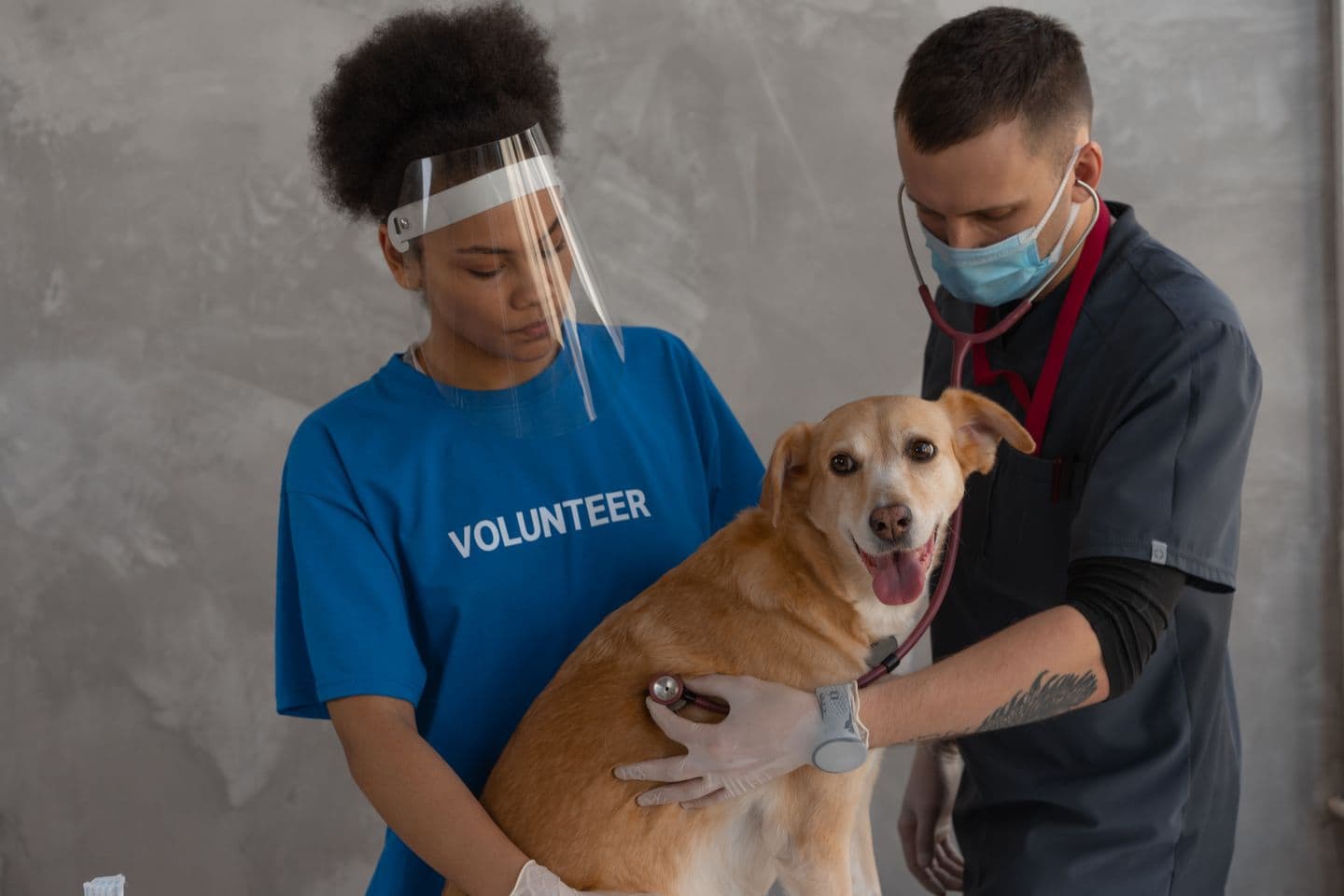
If the bumps are painful, spreading, oozing, or not improving with basic hygiene changes over a week or two, a vet visit is worthwhile. Because other conditions such as mange, ringworm, or bacterial folliculitis can look similar to acne, a vet may recommend a skin scraping or culture to confirm the diagnosis before starting treatment such as a medicated shampoo, topical benzoyl peroxide, or in persistent cases, oral antibiotics.
Chin Acne and Toy Choices
Rubber and hard plastic chew toys can trap saliva and bacteria against the chin in the same way plastic bowls do, particularly for dogs that chew with their chin resting on the floor. Rotating toys regularly, washing them in warm soapy water, and choosing toys with smoother, less porous surfaces can meaningfully reduce how often chin acne flares up in dogs who are prone to it.
Some dogs also develop chin acne from resting their face on rough or dirty surfaces, such as an unwashed outdoor mat or a scratchy carpet. Providing a clean, soft resting spot and washing bedding regularly is a simple, often overlooked step that complements the bowl and toy related changes already covered.
Common Questions
Will my puppy's acne definitely go away on its own?
Many cases resolve naturally by the time a dog reaches about a year old, but not all do. If the acne is mild and your puppy seems otherwise comfortable, a wait and monitor approach with better hygiene is reasonable, though persistent or worsening cases should be checked.
Are certain foods linked to dog acne the way they can be in humans?
The evidence for a direct dietary link in dogs is limited compared to bacterial and follicular causes, but if your vet suspects a food allergy is contributing to skin issues generally, they may suggest a diet trial as part of the wider investigation.
This article is for general awareness and does not replace veterinary advice. If your dog is unwell, consult a veterinarian promptly.
Beyond the familiar Great Dane and Saint Bernard, a number of large, calm breeds carry the same gentle-giant temperament without quite the same name recognition. Most remain genuinely rare in India, b
A once-bouncy dog that suddenly seems flat, uninterested in walks, and withdrawn from the family is unsettling to watch, and the question that naturally follows is whether dogs can actually feel somet
A healthy dog isn't just a contented one; they're more playful, more energetic and more emotionally settled. As their owner, you're the biggest factor in how well your dog thrives, day in and day out.