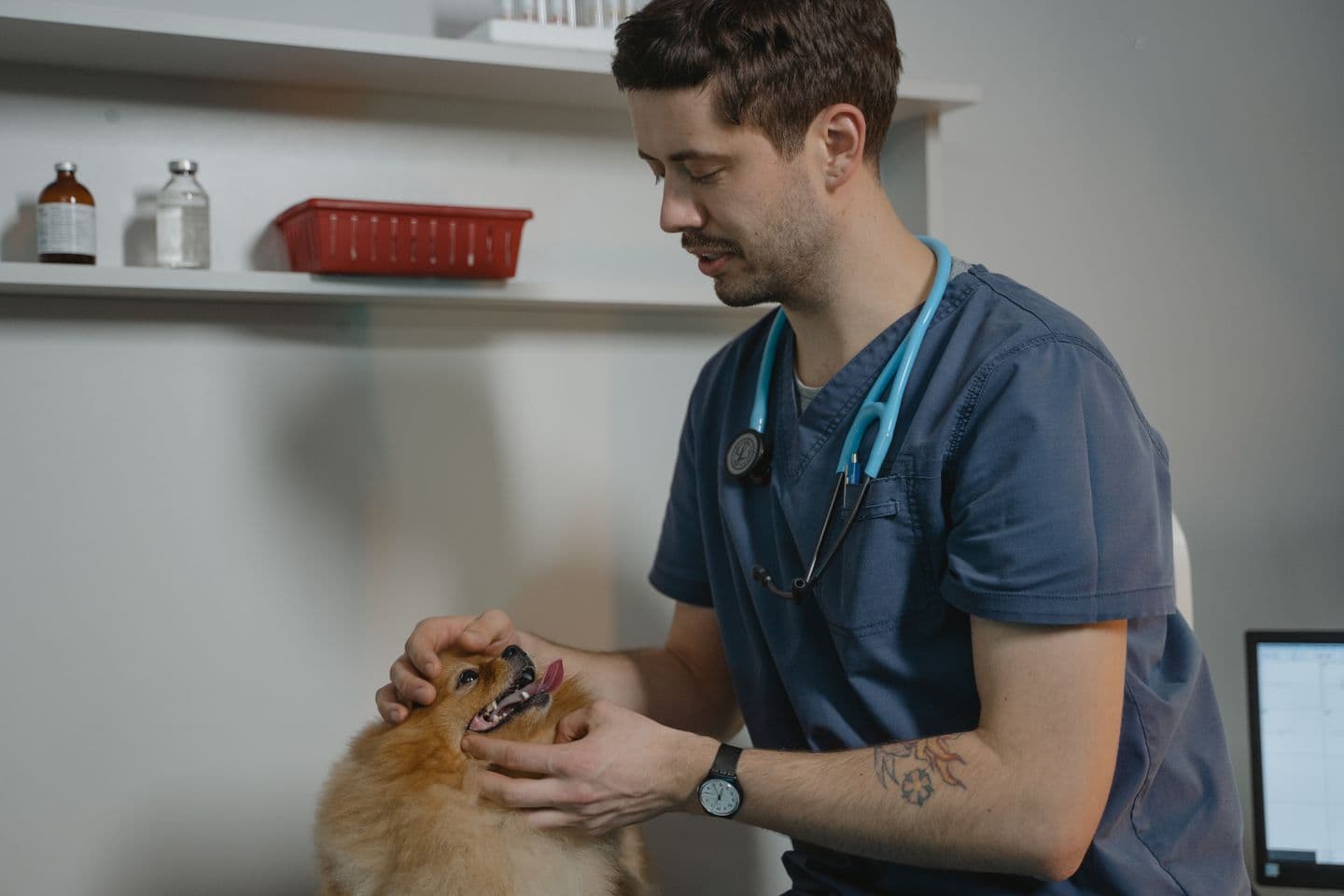
Canine Distemper: Why This Old Disease Still Threatens Indian Dogs
Distemper is one of those diseases many pet owners assume belongs to an earlier era of veterinary medicine, largely because vaccination has made it rare in well protected dog populations elsewhere. In
Distemper is one of those diseases many pet owners assume belongs to an earlier era of veterinary medicine, largely because vaccination has made it rare in well protected dog populations elsewhere. In India, it remains a genuine and ongoing threat, driven largely by the country's enormous community dog population, which acts as a constant reservoir for the virus.
How it spreads
Canine distemper virus spreads through direct contact with an infected dog's saliva, mucus or airborne respiratory droplets, meaning a puppy does not need to touch a sick dog to be exposed, simply being near one that is sneezing or coughing can be enough. Community dogs, whether encountered on a walk or living near an apartment complex, are the main source of ongoing transmission in Indian cities.
Symptoms, which can look deceptively mild at first
Yellow to green discharge from the eyes and nose, often the earliest visible sign
Fever, lethargy and reduced appetite
Coughing and laboured breathing
Vomiting and diarrhoea
In advanced cases, neurological signs including tremors, seizures and uncoordinated movement, which can appear weeks after the initial illness seemed to pass
Why it is so dangerous
There is no cure for distemper, and treatment is entirely supportive, managing symptoms like dehydration, secondary infections and fever while the dog's own immune system fights the virus. Survival rates vary considerably depending on how early treatment begins, and dogs who do recover can be left with permanent neurological effects such as tremors or seizures, and may continue shedding the virus to other dogs for months afterward.
The vaccination schedule that actually protects puppies
A single distemper shot is not enough. Puppies receive maternal antibodies from their mother that offer some early protection but also interfere with vaccine effectiveness in a way that is hard to predict for any individual puppy, which is why the vaccination schedule in India typically involves a series of doses, usually as part of a combination shot, given every three to four weeks starting around six to eight weeks of age and continuing until roughly sixteen weeks, followed by regular boosters through adulthood.
A specifically Indian risk factor worth knowing
Puppies sold very young, sometimes as early as four to five weeks by pet shops and unregulated breeders eager to move litters quickly, are particularly vulnerable, since they leave their mother before completing even the earliest part of a proper vaccination series. Asking directly about a puppy's vaccination history and age before bringing it home, rather than assuming any pet shop puppy has already been protected, is one of the simplest ways to avoid this risk.
What to do if you suspect distemper
Any combination of respiratory symptoms with neurological signs, or a young, under vaccinated puppy showing fever, discharge and lethargy together, should be treated as a medical emergency. Do not wait to see if symptoms improve on their own, distemper can deteriorate rapidly, and earlier treatment meaningfully improves the odds of survival.
Beyond the familiar Great Dane and Saint Bernard, a number of large, calm breeds carry the same gentle-giant temperament without quite the same name recognition. Most remain genuinely rare in India, b
A once-bouncy dog that suddenly seems flat, uninterested in walks, and withdrawn from the family is unsettling to watch, and the question that naturally follows is whether dogs can actually feel somet
A healthy dog isn't just a contented one; they're more playful, more energetic and more emotionally settled. As their owner, you're the biggest factor in how well your dog thrives, day in and day out.