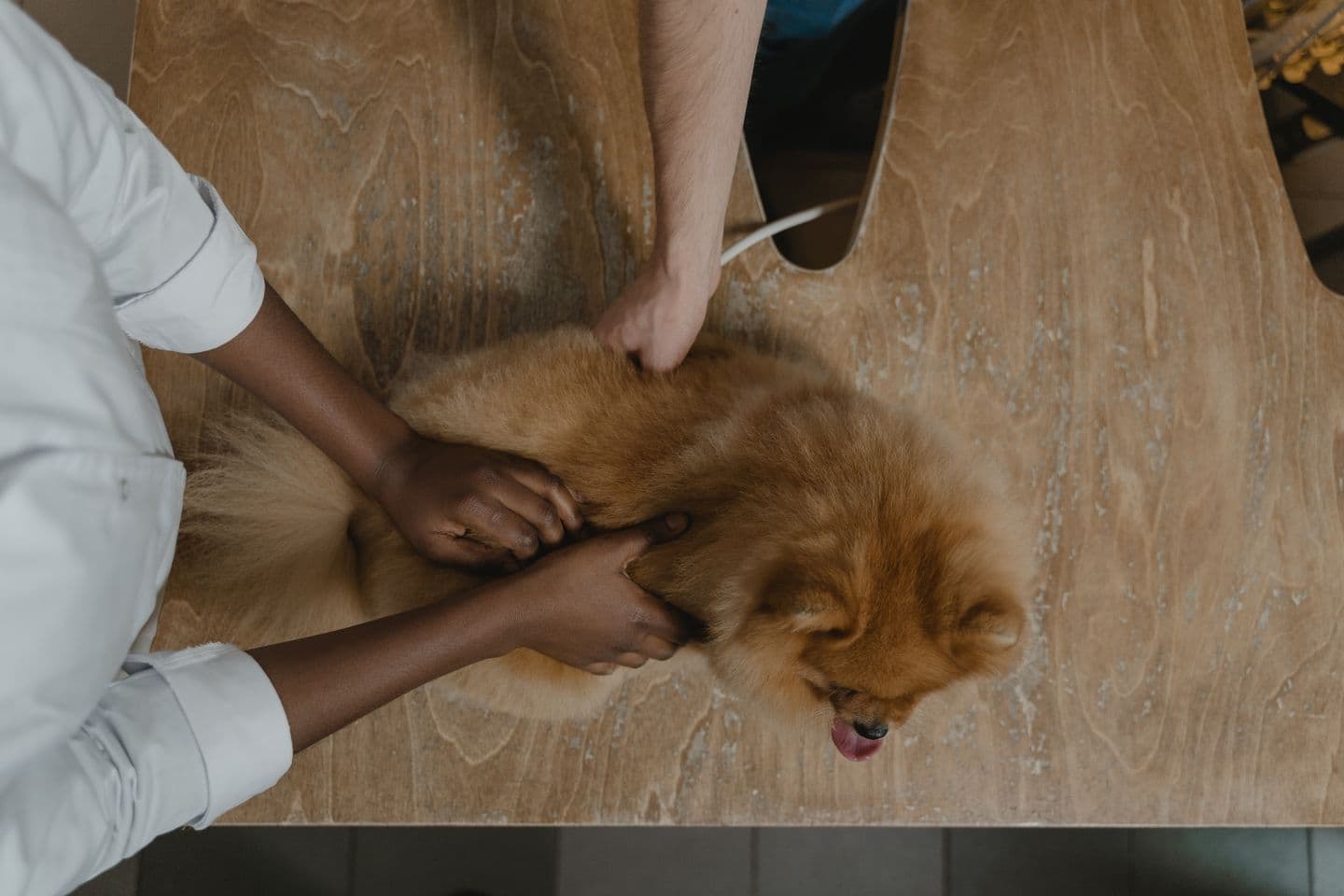
A trimester-by-trimester guide to keeping a pregnant dog healthy, and a checklist for the final stretch.
Canine pregnancy lasts roughly nine weeks, and while dogs generally manage it well on their own, a bit of structured care through each stage makes a real difference to both the mother's comfort and the puppies' start in life.
Weeks 1 to 3: Confirming and Settling In
Outward signs are usually minimal in these early weeks. Keep her on her regular diet and activity level, avoid any medication without checking with a vet first, since some common drugs are unsafe during pregnancy, and book a vet visit around the three-week mark if you suspect pregnancy, since this is when a vet can begin to confirm it.
Weeks 4 to 6: Confirmation and Early Changes
An ultrasound around day 28 can confirm pregnancy and give an early puppy count.
Mild appetite changes and occasional vomiting can appear around this stage; persistent vomiting or refusal to eat should be checked by a vet.
Begin transitioning her gradually to a puppy or growth-formula food from around week five, which supports the nutritional demands of the final weeks.
Set up the whelping box in a quiet, draft-free area about a week or two before the due date, so she has time to get comfortable in it.
Line it with easily washable bedding and keep a puppy-safe heat source nearby.
Start monitoring rectal temperature twice daily in the final week; a drop below 99°F usually means labour is near.
Confirm puppy count via X-ray from around day 45, so you know roughly how many to expect during delivery.
Keep your vet's contact and the nearest 24-hour emergency clinic number easily accessible.
Reduce handling and outside visitors in the final week; a calm, low-stress environment helps.
Nutrition Through Pregnancy and Nursing
A pregnant dog's calorie needs increase gradually and then significantly during nursing, when she may need two to four times her normal intake depending on litter size. Smaller, more frequent meals work better than one or two large ones, especially in the last two weeks when the puppies leave little room in her stomach. Fresh water should always be available, and supplements should only be added under veterinary guidance, since over-supplementing calcium, in particular, can actually increase the risk of complications like eclampsia after whelping.
Red Flags During Pregnancy
Vomiting that persists beyond a day, or refusal to eat for more than 24 hours.
Vaginal discharge that is bloody, green, or foul-smelling before labour has started.
Sudden lethargy, fever, or visible pain.
No signs of labour by day 65 to 68 from the estimated ovulation date.
Frequently Asked Questions
Can a pregnant dog still be vaccinated? Generally, vaccination is avoided during pregnancy unless specifically advised by a vet; ideally, vaccines are kept up to date before breeding.
Should a pregnant dog's exercise routine change dramatically? Not dramatically, gentle regular movement is good for her, but intensity should taper down as the pregnancy progresses, especially in the final two weeks.
How do I know the whelping box is ready? It should be large enough for her to stretch out fully, have low sides she can see over but puppies cannot climb out of, sit in a quiet part of the house, and be set up at least a week before the due date.
Beyond the familiar Great Dane and Saint Bernard, a number of large, calm breeds carry the same gentle-giant temperament without quite the same name recognition. Most remain genuinely rare in India, b
A once-bouncy dog that suddenly seems flat, uninterested in walks, and withdrawn from the family is unsettling to watch, and the question that naturally follows is whether dogs can actually feel somet
A healthy dog isn't just a contented one; they're more playful, more energetic and more emotionally settled. As their owner, you're the biggest factor in how well your dog thrives, day in and day out.