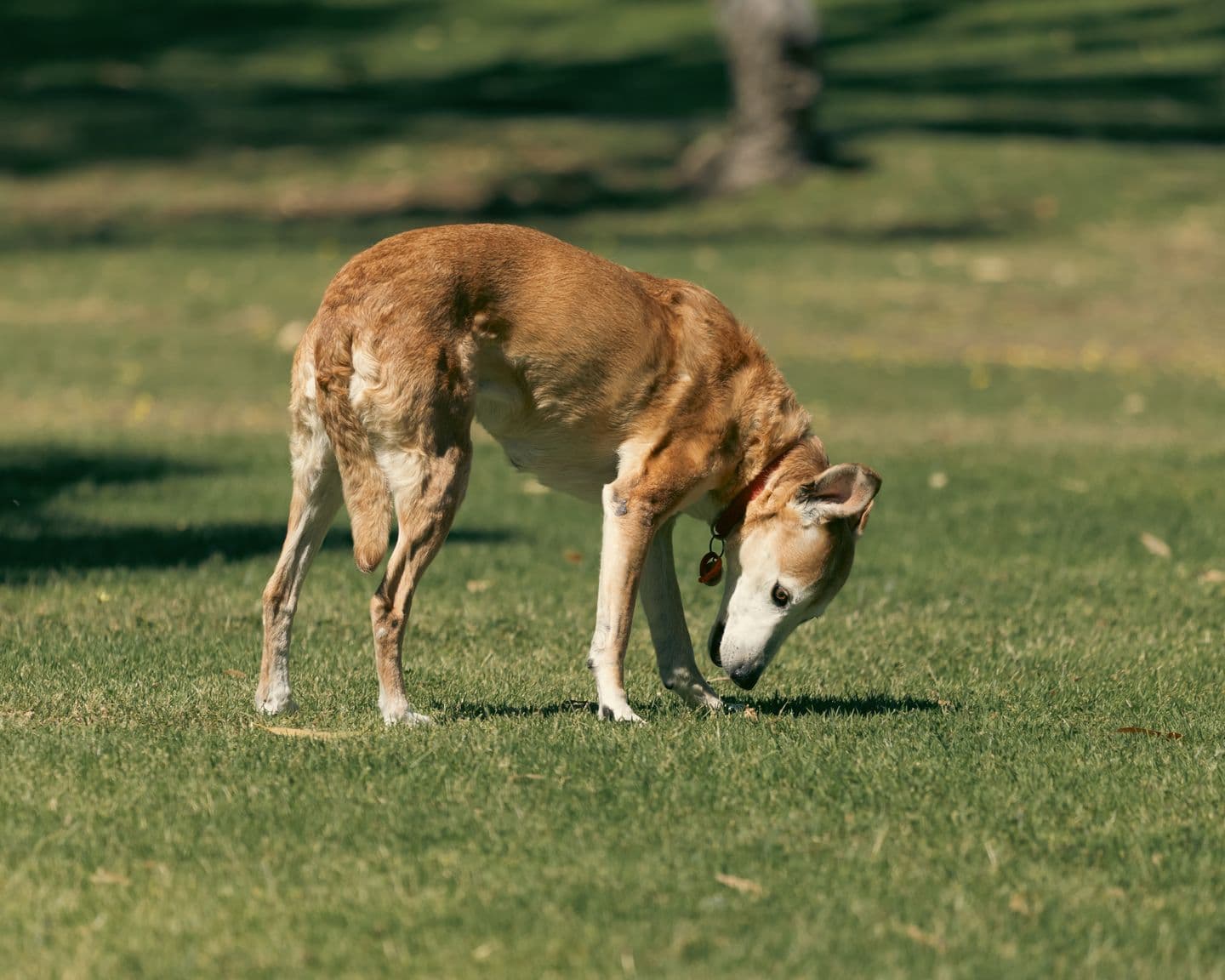
Ageing brings a predictable set of health changes in dogs, much as it does in people. Knowing what to watch for helps you catch problems early, when they are usually easier and less expensive to manag
Ageing brings a predictable set of health changes in dogs, much as it does in people. Knowing what to watch for helps you catch problems early, when they are usually easier and less expensive to manage.
Joint and mobility issues
Arthritis is extremely common in senior dogs, causing stiffness, reluctance to jump or climb stairs, and slower movement after rest. Weight management, joint supplements, and anti-inflammatory medication prescribed by your vet can meaningfully improve comfort and mobility.
Dental disease
Years of plaque build-up can lead to gum disease, tooth loss and infections that affect overall health, not just the mouth. Bad breath, reduced interest in hard food, or pawing at the mouth are all worth a dental check.
Obesity
A slower metabolism combined with reduced activity makes weight gain common in senior dogs. Extra weight puts additional strain on joints and organs, so portion control and a senior-appropriate diet matter more than ever at this stage.
Heart disease
Coughing, reduced stamina during walks, or laboured breathing can indicate developing heart disease, particularly in smaller senior breeds. Regular check-ups often catch murmurs before symptoms become obvious at home.
Kidney disease
Chronic kidney disease is one of the most common conditions in ageing dogs, often first noticed through increased thirst and urination. Routine blood and urine testing at senior check-ups can detect it well before symptoms become severe.
Cancer
Cancer risk rises with age, and it is a leading cause of death in senior dogs. Regular home checks for new lumps, bumps, or changes in existing ones, combined with prompt veterinary evaluation of anything new, improve the odds of early, more treatable diagnosis.
Cognitive decline
Confusion, disrupted sleep, and house-training regression can indicate canine cognitive dysfunction, a condition similar to dementia in humans, affecting a significant proportion of dogs over the age of eleven.
Vision and hearing loss
Cataracts, nuclear sclerosis and gradual hearing loss are all common with age. Neither necessarily reduces a dog's quality of life if the home environment is adapted with consistency and a little extra patience.
The value of regular check-ups
Most of these conditions are far more manageable when caught early. Twice yearly veterinary visits, including basic blood work, give your senior dog the best chance of ageing comfortably rather than reactively.
Thyroid changes
Hypothyroidism, where the thyroid gland produces too little hormone, is relatively common in middle aged and senior dogs, particularly in certain medium and large breeds. Signs include unexplained weight gain despite normal eating, a dull or thinning coat, lethargy, and increased sensitivity to cold. It is usually diagnosed through a simple blood test and managed well with a daily oral medication, making it one of the more straightforward conditions to treat once identified.
Building a home monitoring habit
Beyond scheduled vet visits, a short weekly check at home catches changes early. Run your hands gently over your dog's body feeling for new lumps, check the mouth for redness or odour, watch how easily they rise from lying down, and note any change in appetite, thirst or energy. None of this replaces professional care, but it gives you a much better sense of your dog's normal, and normal is exactly what helps you spot when something has changed.
Beyond the familiar Great Dane and Saint Bernard, a number of large, calm breeds carry the same gentle-giant temperament without quite the same name recognition. Most remain genuinely rare in India, b
A once-bouncy dog that suddenly seems flat, uninterested in walks, and withdrawn from the family is unsettling to watch, and the question that naturally follows is whether dogs can actually feel somet
A healthy dog isn't just a contented one; they're more playful, more energetic and more emotionally settled. As their owner, you're the biggest factor in how well your dog thrives, day in and day out.