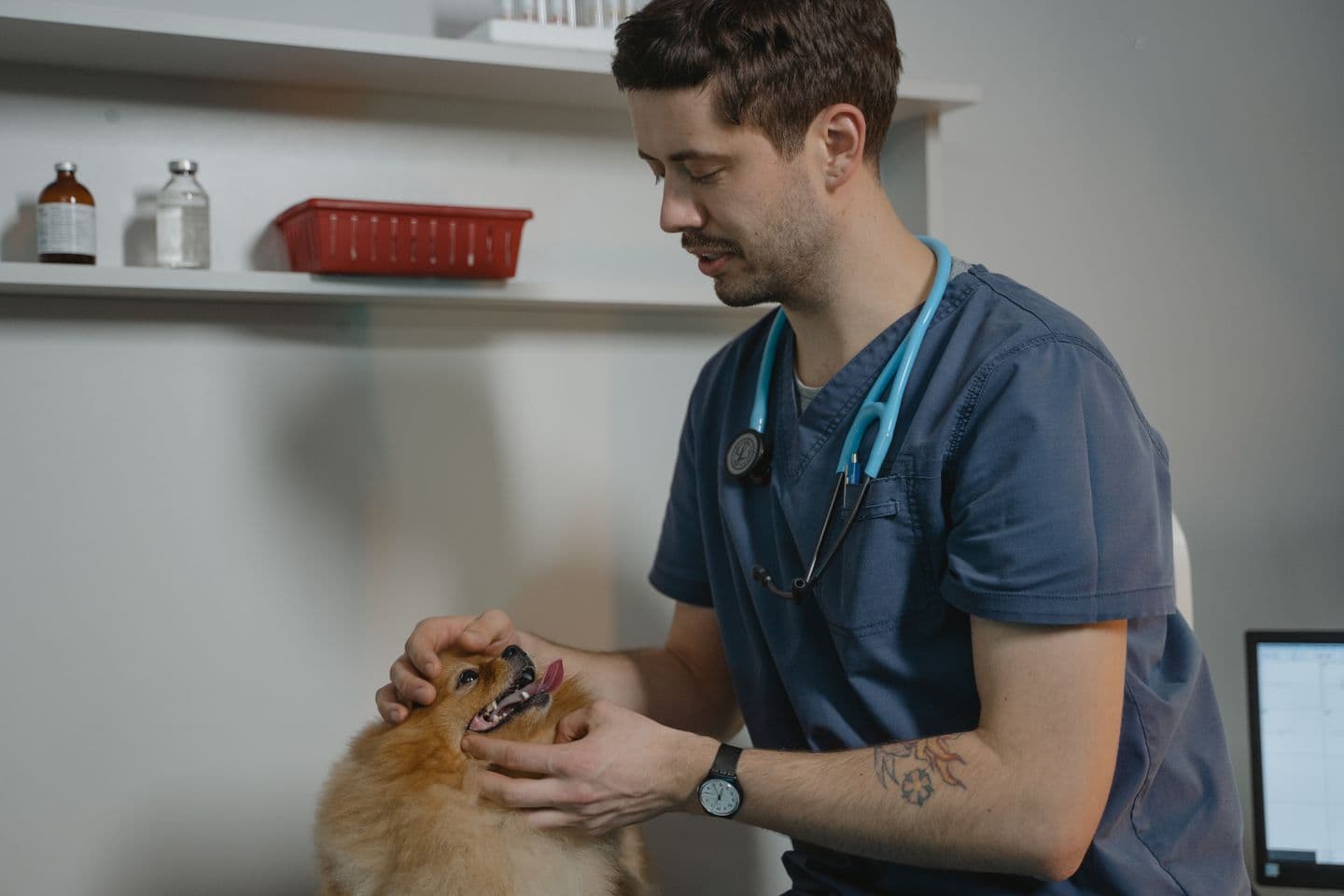
Coughing, Fever, and Fast Breathing: Recognising Pneumonia in Dogs
Pneumonia, inflammation and infection of the lungs, can develop on its own or as a complication of another respiratory illness such as kennel cough or canine influenza. It is one of the more serious r
Pneumonia, inflammation and infection of the lungs, can develop on its own or as a complication of another respiratory illness such as kennel cough or canine influenza. It is one of the more serious respiratory conditions dog owners should be able to recognise quickly.
What causes it
Bacterial infection, often secondary to a viral respiratory illness
Aspiration pneumonia, where food, water, or vomit is accidentally inhaled into the lungs, more common in dogs with swallowing problems, brachycephalic breeds, or after vomiting under sedation
Fungal pneumonia, less common but seen in specific environments
Complications from untreated kennel cough or canine influenza
Symptoms
Persistent, often moist sounding cough
Fast or laboured breathing, sometimes with visible effort from the chest and belly
Fever and lethargy
Reduced appetite
Nasal discharge, sometimes thick or discoloured
In severe cases, bluish gums from poor oxygenation
Diagnosis and treatment
A vet will typically listen to the chest for abnormal lung sounds, take a chest X-ray to confirm the diagnosis and assess severity, and may run bloodwork to check for infection and organ function. Treatment usually involves antibiotics for bacterial cases, supportive care such as fluids and oxygen for more severe cases, and rest. Dogs with significant breathing difficulty may need hospitalisation.
Because pneumonia can progress quickly, especially in puppies, seniors, or dogs with existing heart or lung conditions, any dog with laboured breathing alongside a cough and fever should be seen the same day rather than monitored at home.
Common Questions
Q: How long does recovery from pneumonia take? A: Mild cases often improve within one to two weeks with rest and treatment. Severe cases needing hospitalisation can take considerably longer.
Q: Can pneumonia come back after recovery? A: Yes, particularly if an underlying risk factor, such as aspiration risk in a brachycephalic breed, is not addressed alongside the initial treatment.
Beyond the familiar Great Dane and Saint Bernard, a number of large, calm breeds carry the same gentle-giant temperament without quite the same name recognition. Most remain genuinely rare in India, b
A once-bouncy dog that suddenly seems flat, uninterested in walks, and withdrawn from the family is unsettling to watch, and the question that naturally follows is whether dogs can actually feel somet
A healthy dog isn't just a contented one; they're more playful, more energetic and more emotionally settled. As their owner, you're the biggest factor in how well your dog thrives, day in and day out.