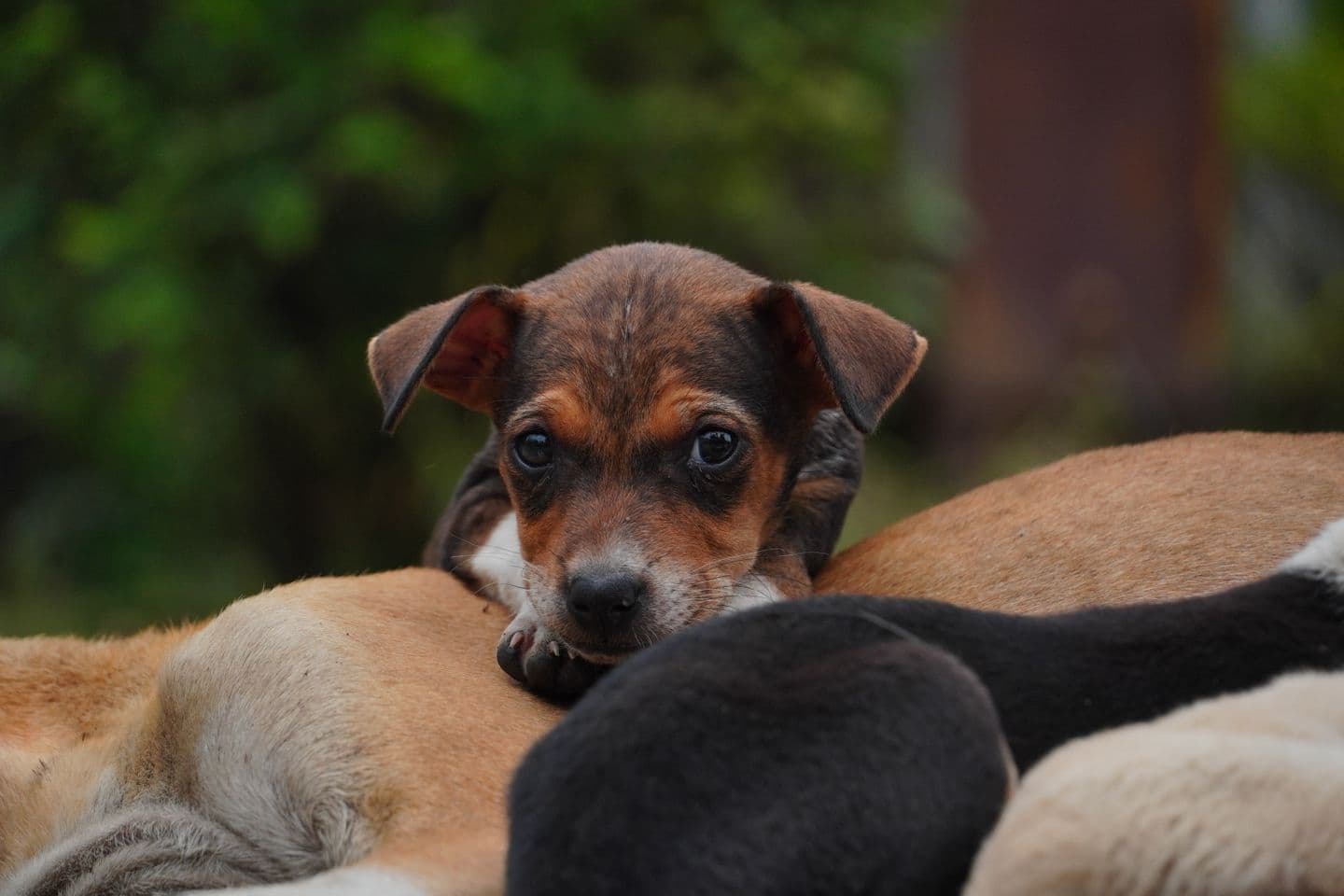
A puppy's digestive and immune systems are still developing, which makes diarrhoea both more common and potentially more serious than in adult dogs. Because puppies dehydrate quickly, knowing when to
A puppy's digestive and immune systems are still developing, which makes diarrhoea both more common and potentially more serious than in adult dogs. Because puppies dehydrate quickly, knowing when to manage it at home and when to head straight to the vet is essential.
Common Causes
A sudden change in diet, or eating something new, rich, or unfamiliar
Intestinal parasites such as roundworms, hookworms, whipworms, or protozoa like giardia and coccidia, all common in puppies
Stress, including the upheaval of a new home, travel, or a change in routine
Bacterial infections from contaminated water or food
Viral infections, most seriously parvovirus and distemper, which are potentially fatal in unvaccinated or partially vaccinated puppies
Teething, which some puppies experience alongside mild digestive upset
Home Care for Mild Cases
If your puppy is bright, playful, drinking normally, and the diarrhoea is mild, you can usually monitor at home for the first 24 hours. A short period of a bland diet such as boiled chicken and rice, offered in small frequent portions, along with easy access to water, often helps. Avoid switching foods again during this period, and never give a puppy human anti-diarrhoeal medication without veterinary guidance.
Red Flags That Need a Vet Visit
Diarrhoea lasting more than 24 to 48 hours
Blood in the stool or a black, tarry appearance
Vomiting alongside diarrhoea
Lethargy, refusal to eat, or a swollen abdomen
Any diarrhoea in a puppy that is not yet fully vaccinated, which should be treated as urgent given the risk of parvovirus
Protecting Puppies in India
Staying current on the vaccination schedule and a proper deworming schedule, typically starting at two weeks of age, repeated every two weeks until twelve weeks old, and then monthly until six months, are two of the most effective ways to prevent the more dangerous causes of puppy diarrhoea. Keeping puppies away from stray animal faeces and unclean street puddles during walks also reduces exposure to parasites and infectious agents.
Transitioning Between Puppy Foods
Breeders and shelters often send a small supply of the puppy's current food home with a new owner for exactly this reason: sudden, complete food switches are one of the most common and avoidable triggers of puppy diarrhoea. If you plan to change foods, mix increasing proportions of the new food with the old over seven to ten days, watching stool consistency at each step before moving further.
If diarrhoea appears partway through a planned transition, it is usually best to pause at the current ratio for a few extra days rather than pushing forward or reverting completely, giving the gut flora a chance to adjust gradually. Only slow the transition further if stool does not firm up within that pause.
Common Questions
Can teething really cause diarrhoea in puppies?
Some vets and owners report a link, possibly related to stress and increased chewing on objects during this phase, though it is not considered a primary or serious cause on its own. Persistent diarrhoea should still be investigated rather than attributed to teething alone.
How soon after adoption can stress cause diarrhoea?
It can appear within the first day or two of bringing a puppy home. A calm environment, a consistent feeding schedule, and avoiding sudden food changes in the first week can help ease the transition.
This article is for general awareness and does not replace veterinary advice. If your dog is unwell, consult a veterinarian promptly.
Beyond the familiar Great Dane and Saint Bernard, a number of large, calm breeds carry the same gentle-giant temperament without quite the same name recognition. Most remain genuinely rare in India, b
A once-bouncy dog that suddenly seems flat, uninterested in walks, and withdrawn from the family is unsettling to watch, and the question that naturally follows is whether dogs can actually feel somet
A healthy dog isn't just a contented one; they're more playful, more energetic and more emotionally settled. As their owner, you're the biggest factor in how well your dog thrives, day in and day out.