Watching a dog on a hot day, tongue out, sides heaving, it is easy to assume they are simply not sweating the way we do. The truth is more precise than that, and understanding it changes how you shoul
Watching a dog on a hot day, tongue out, sides heaving, it is easy to assume they are simply not sweating the way we do. The truth is more precise than that, and understanding it changes how you should actually help a dog cool down.
Dogs do sweat, just barely
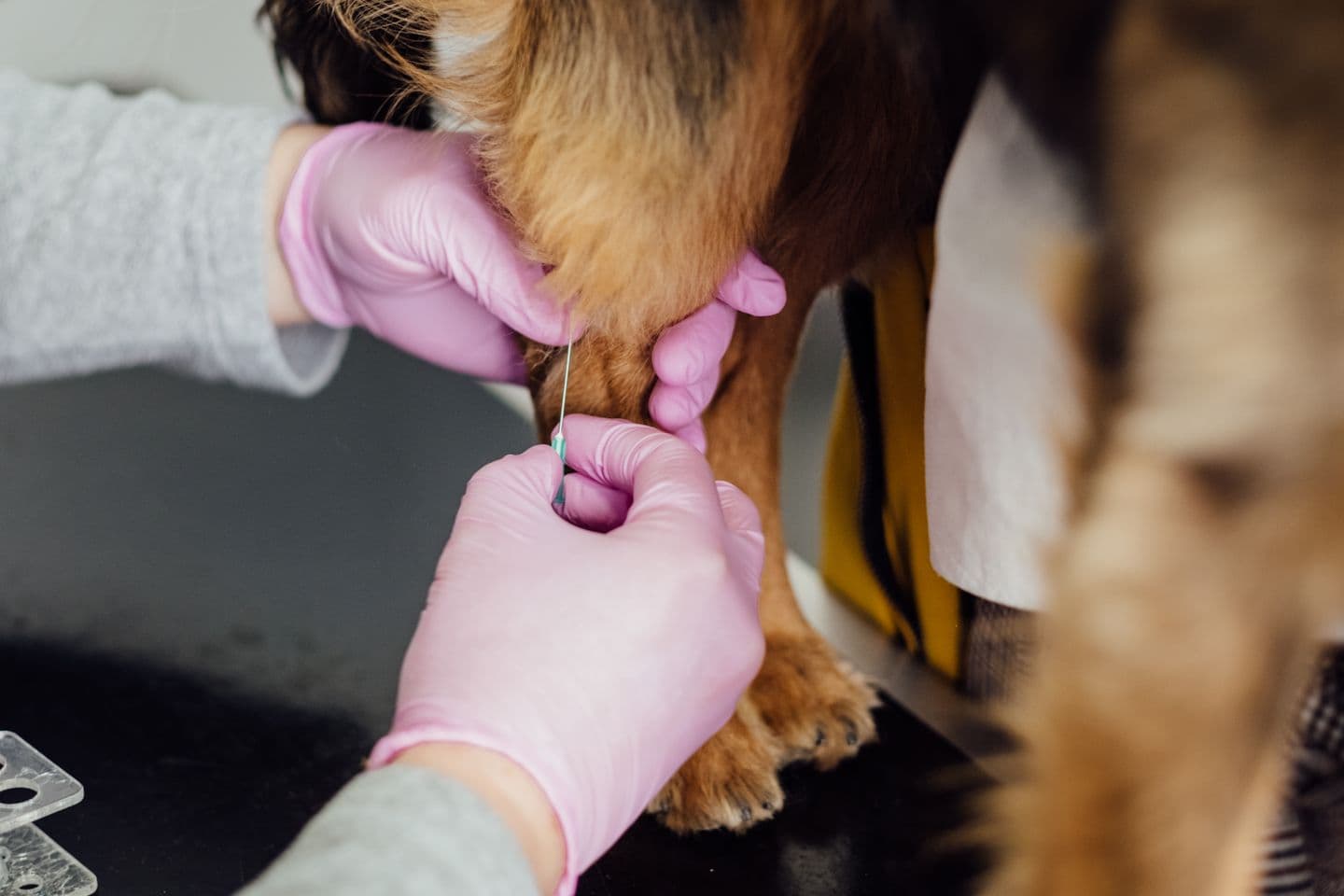
Dogs have two types of sweat glands. Apocrine glands are spread across most of the body but are primarily involved in scent marking rather than cooling, contributing little to temperature regulation. Eccrine glands, the type that does the real cooling work through evaporation, exist almost exclusively in a dog's paw pads. This is why a dog's paw prints sometimes look faintly damp on a hot day, that is genuine sweat, but it is nowhere near enough surface area to cool an entire body the way human sweating does.
Panting is doing most of the work
Since sweating barely contributes to cooling, panting is a dog's primary defence against overheating. Rapid, shallow breathing moves air over the moist surfaces of the tongue, mouth and upper respiratory tract, and evaporation from that moisture pulls heat away from the body. This is genuinely effective, but it depends on the surrounding air being able to absorb that moisture, which is exactly why high humidity makes panting far less efficient and heat far more dangerous, even at a lower actual temperature.
Other ways dogs manage heat
Vasodilation: blood vessels near the skin's surface widen, helping release heat, most visible in less-furred areas like the ears and belly
Seeking shade or cool surfaces, an instinctive behavioural response
Reduced activity, dogs naturally slow down in heat if allowed to
What this means practically
Because a dog's cooling system is genuinely limited compared to ours, they overheat far more easily and far faster than people typically expect, particularly in hot, humid conditions or enclosed spaces like parked cars. Providing shade, fresh water, and avoiding exertion during peak heat are not simply comfort measures, they compensate for a cooling system that was never built to handle sustained heat especially well.
So yes, dogs do sweat, just through a tiny surface area that was never meant to do the heavy lifting. Panting, shade and water are doing almost all the real work, which is exactly why they deserve your help on a hot day rather than being left to manage alone.
Why some breeds handle heat better despite similar sweat mechanisms
Since sweating plays such a small role in cooling for every dog, breed differences in heat tolerance mostly come down to coat type, body shape and airway efficiency rather than any meaningful difference in sweat glands themselves. This is why India's native breeds, generally lean, short to medium-coated, and with unobstructed airways, tend to manage heat considerably better than imported cold-climate or brachycephalic breeds, despite all of them relying on essentially the same limited cooling toolkit. This is also worth remembering when comparing your own dog to another that seems to handle heat effortlessly, the difference usually has far more to do with coat and airway structure than with anything either dog is doing differently in terms of effort or fitness.
Yoast SEO Metadata
Tags: do dogs sweat, dog cooling mechanisms, dog panting heat
Beyond the familiar Great Dane and Saint Bernard, a number of large, calm breeds carry the same gentle-giant temperament without quite the same name recognition. Most remain genuinely rare in India, b
A once-bouncy dog that suddenly seems flat, uninterested in walks, and withdrawn from the family is unsettling to watch, and the question that naturally follows is whether dogs can actually feel somet
A healthy dog isn't just a contented one; they're more playful, more energetic and more emotionally settled. As their owner, you're the biggest factor in how well your dog thrives, day in and day out.