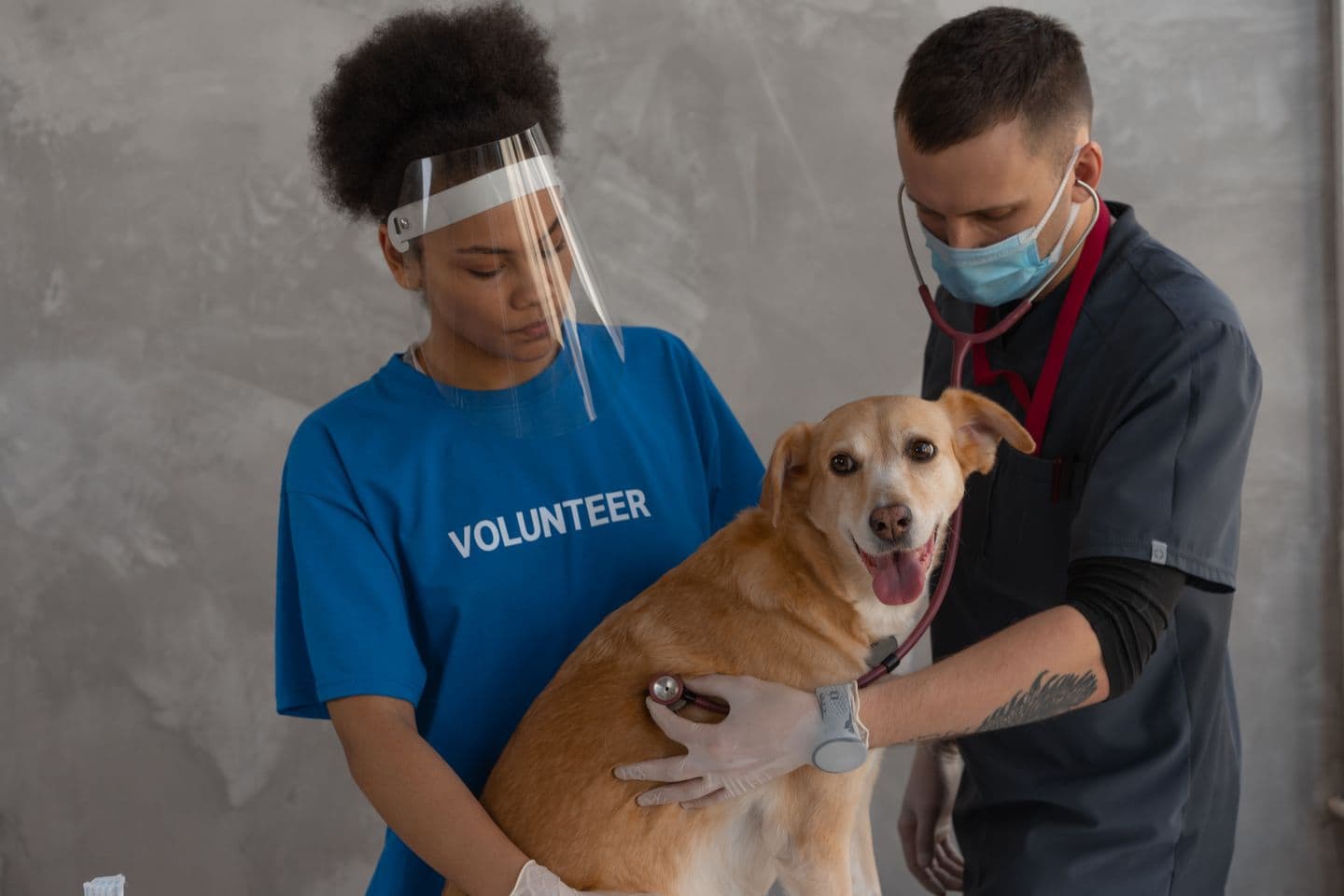
A healthy dog typically passes stool once or twice a day. When that rhythm stops, and your dog is straining, producing small hard pellets, or nothing at all, constipation is usually the reason.
A healthy dog typically passes stool once or twice a day. When that rhythm stops, and your dog is straining, producing small hard pellets, or nothing at all, constipation is usually the reason.
Common Causes in Indian Households
Low water intake, which becomes a bigger risk during hot Indian summers
A diet low in fibre, particularly with heavily processed treats or excessive bone feeding
Reduced exercise, common in apartment dwelling dogs during monsoon confinement
Swallowed foreign material, such as fabric, plastic, or bones from festival leftovers
Underlying issues like an enlarged prostate in male dogs, hypothyroidism, or orthopaedic pain that makes squatting difficult
Signs to Watch For
Straining without producing stool, or passing very small, hard, dry pieces
Circling repeatedly before attempting to defecate
Dragging the bottom along the ground
Visible discomfort or a tense, painful abdomen
What Helps at Home
Increasing water intake is often the single most effective step, whether through multiple water bowls, a pet fountain, or adding a splash of unsalted chicken broth to make drinking more appealing. Plain canned pumpkin, high in fibre and moisture, is a widely recommended addition to food, and short, gentle walks can help stimulate the bowel. Avoid home remedies such as milk, mineral oil, or coconut oil, which vets caution can do more harm than good and may trigger pancreatitis.
When to See a Vet
If your dog has not passed stool in more than 48 hours, is straining and appears to be in pain, or is vomiting alongside the constipation, treat it as urgent. Left untreated, prolonged constipation can progress to obstipation, a serious blockage of hardened stool that may need manual removal or, rarely, surgery. Never give a dog a human laxative or attempt an enema at home.
The Role of Exercise and Routine
Beyond diet and hydration, a predictable daily walking routine genuinely helps keep a dog's bowel regular, since physical movement stimulates intestinal activity in much the same way it does in people. Dogs confined indoors for long stretches during heavy monsoon rain are especially prone to sluggish bowels, so even a few extra minutes of indoor play or a short covered walk can make a noticeable difference during the wettest weeks of the year.
Stress from a change in routine, a new pet in the household, or an unfamiliar caregiver during travel can also slow a dog's digestion temporarily. Keeping mealtimes and walk times as consistent as possible during these periods, and giving your dog a familiar blanket or toy when routines are disrupted, can reduce the odds of stress related constipation creeping in alongside the more physical causes already covered.
Common Questions
Is pumpkin the only safe home remedy?
Plain canned pumpkin puree is one of the most widely recommended options because it is high in fibre and moisture. Plain canned dog food mixed into the regular meal can help too. Avoid olive oil, mineral oil, coconut oil, and milk, which vets advise against.
Can puppies get constipated the same way adult dogs do?
Yes, though puppies are more often affected by diet changes, swallowed foreign objects, or intestinal parasites. A puppy who has not passed stool in a day should be seen by a vet sooner than an adult dog would need to be.
This article is for general awareness and does not replace veterinary advice. If your dog is unwell, consult a veterinarian promptly.
Beyond the familiar Great Dane and Saint Bernard, a number of large, calm breeds carry the same gentle-giant temperament without quite the same name recognition. Most remain genuinely rare in India, b
A once-bouncy dog that suddenly seems flat, uninterested in walks, and withdrawn from the family is unsettling to watch, and the question that naturally follows is whether dogs can actually feel somet
A healthy dog isn't just a contented one; they're more playful, more energetic and more emotionally settled. As their owner, you're the biggest factor in how well your dog thrives, day in and day out.