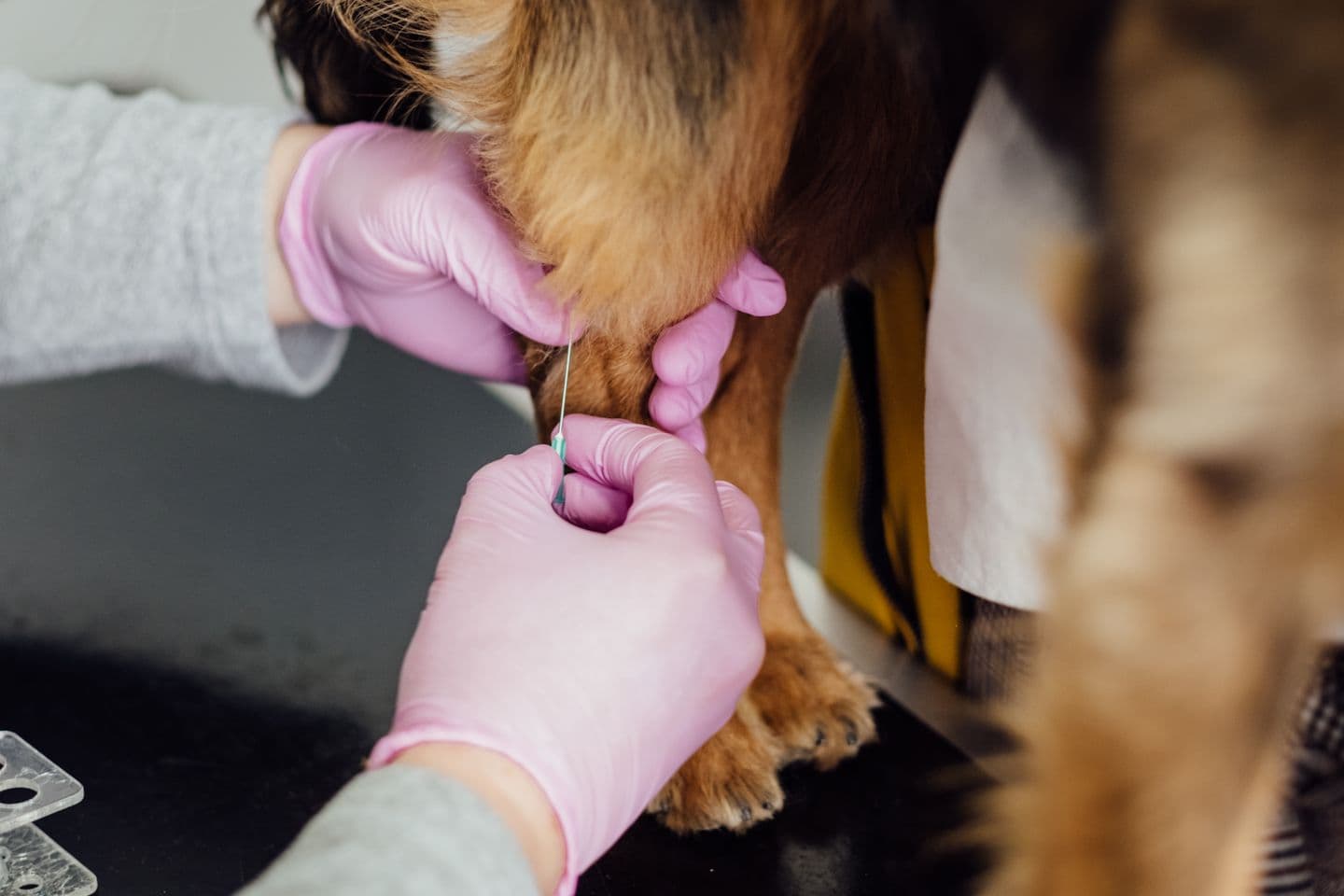
Elbow Dysplasia in Dogs: Symptoms, Causes, Treatment and Prevention
Elbow dysplasia is one of the most common orthopaedic conditions in dogs, particularly larger breeds. Left unmanaged, it can bring pain, limping and long-term joint damage, but with an early diagnosis
Elbow dysplasia is one of the most common orthopaedic conditions in dogs, particularly larger breeds. Left unmanaged, it can bring pain, limping and long-term joint damage, but with an early diagnosis and the right treatment plan, most affected dogs can go on living active, comfortable lives. Here's what it is, why it happens, how to spot it, and what can be done about it.
What Is Elbow Dysplasia?
Elbow dysplasia is a developmental joint disorder that emerges as a dog grows. It occurs when the bones forming the elbow don't develop or align correctly. Over time, that misalignment leads to inflammation, cartilage damage and arthritis. The elbow joint is made up of three bones: the humerus, the radius and the ulna. When they don't fit together properly, pressure inside the joint builds unevenly, causing pain and limiting mobility. The condition is most often diagnosed in young, medium-to-large breed dogs, though in some cases the symptoms don't surface until arthritis has already set in later in life.
Early Signs
Symptoms tend to build gradually and vary with severity. Some dogs show signs as early as 5 to 18 months old. Watch for:
Limping or lameness in the front legs
Swollen or thickened elbows
Pain when bending or straightening the elbow
A reduced range of motion in the joint
Difficulty getting up after resting
Reluctance to run, jump or play
Stiffness that worsens after exercise
Some dogs will hold their elbows outward, or develop an unusual gait, simply to avoid the discomfort.
Why It Happens
The condition is largely genetic, passed down from a dog's parents, though several other factors can contribute:
Genetic predisposition
Rapid growth during puppyhood
Nutritional imbalances
Excess weight
Trauma or injury
Excessive high-impact exercise at a young age
Breeds Most at Risk
Any dog can develop elbow dysplasia, but it shows up disproportionately in large breeds, especially Labrador Retrievers, German Shepherds, Rottweilers and Mastiffs. Because it often affects both elbows at once, untreated cases can significantly limit mobility.
Diagnosis
A vet will start with a physical exam, watching the dog's gait and testing joint movement, then confirm the diagnosis with imaging: X-rays of both front legs, a CT scan for a more detailed view, or arthroscopy, where a small camera examines inside the joint directly. Together these pinpoint exactly which abnormalities are present and guide the treatment plan.
Treatment Options
There's no permanent cure, so treatment centres on reducing pain, improving joint function and slowing the progression of arthritis.
Surgical treatment, usually recommended for moderate to severe cases, may involve arthroscopic surgery to remove damaged fragments, corrective bone procedures, or joint stabilisation surgery. Early surgical intervention tends to improve mobility and slow further joint degeneration.
Non-surgical management suits dogs who aren't surgical candidates, and typically includes anti-inflammatory medication, joint supplements, weight management, controlled low-impact exercise, and physiotherapy or hydrotherapy. The aim throughout is to ease pain while preserving joint strength and mobility.
Long-Term Outlook
Elbow dysplasia often leads to arthritis later in life, but with proper pain management, controlled exercise and ongoing joint support, many dogs still enjoy a good quality of life. Diagnosing the condition early makes a real difference, both to comfort and to how quickly the joint damage progresses.
Prevention Tips
Maintain a healthy weight
Avoid excessive jumping during a puppy's growth phase
Beyond the familiar Great Dane and Saint Bernard, a number of large, calm breeds carry the same gentle-giant temperament without quite the same name recognition. Most remain genuinely rare in India, b
A once-bouncy dog that suddenly seems flat, uninterested in walks, and withdrawn from the family is unsettling to watch, and the question that naturally follows is whether dogs can actually feel somet
A healthy dog isn't just a contented one; they're more playful, more energetic and more emotionally settled. As their owner, you're the biggest factor in how well your dog thrives, day in and day out.