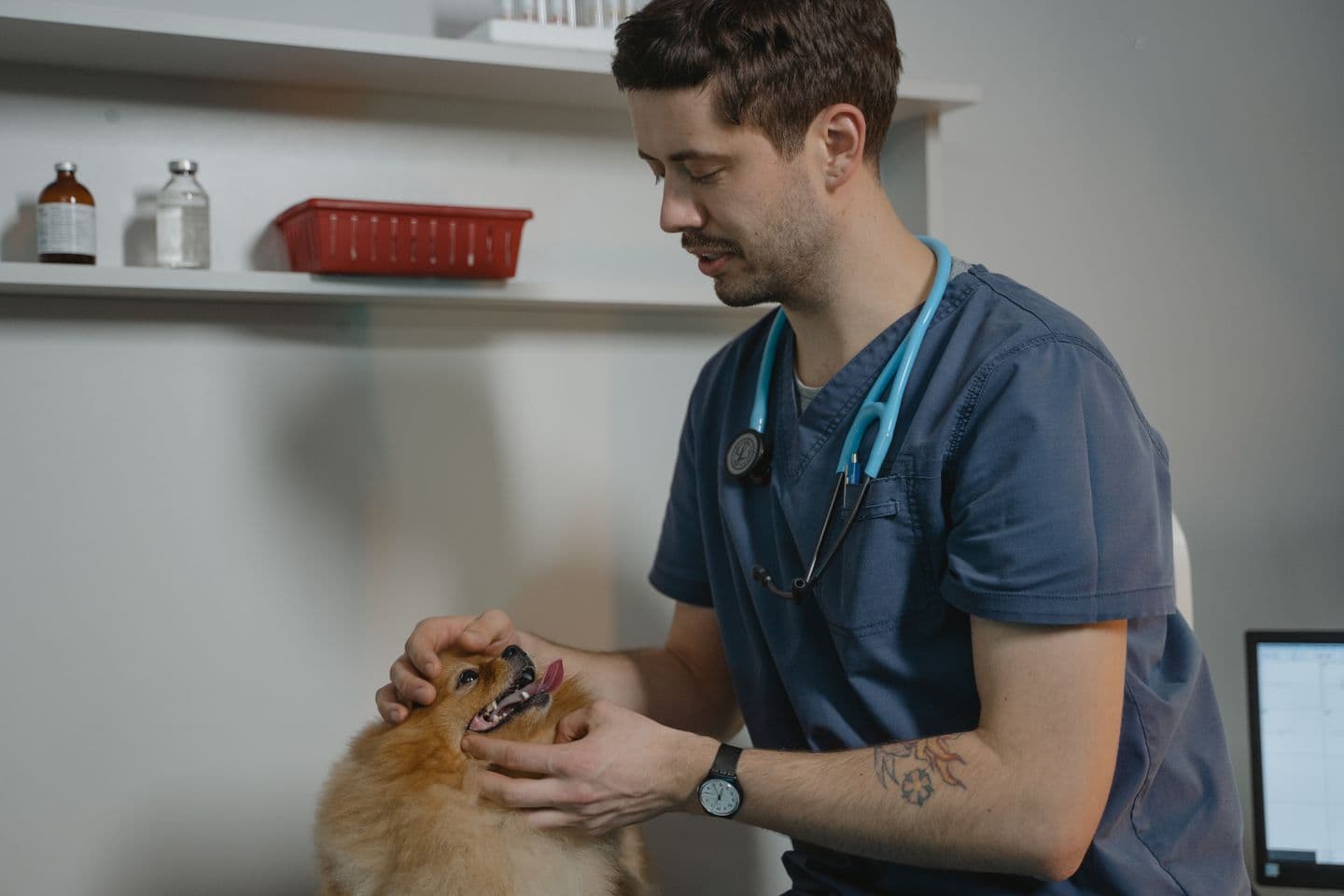
Given how often boarding kennels, grooming salons and puppy classes across India ask for proof of kennel cough vaccination, it is worth understanding exactly what this vaccine does, how it is given, a
Given how often boarding kennels, grooming salons and puppy classes across India ask for proof of kennel cough vaccination, it is worth understanding exactly what this vaccine does, how it is given, and what realistic protection it offers, beyond simply ticking a box for admission.
What the Vaccine Actually Targets
The Bordetella vaccine, named for Bordetella bronchiseptica, the bacterium most often implicated in kennel cough, protects against this specific organism. Since kennel cough is frequently caused by a combination of pathogens working together, many versions of the vaccine also include protection against canine parainfluenza virus, and some against canine adenovirus type 2, giving broader coverage against the overall kennel cough complex rather than Bordetella alone.
The Three Ways It Can Be Given
The intranasal vaccine, delivered as drops or a spray into the nostril, is the most commonly used form, since it triggers a local immune response directly at the site where infection would naturally begin, offering notably fast protection, often within forty-eight to seventy-two hours of a single dose. An oral version, given by mouth, works on a similar principle. The injectable form, given under the skin, is an alternative for dogs who tolerate nasal or oral administration poorly, though it requires an initial dose followed by a booster two to four weeks later and takes somewhat longer to establish protection.
Vaccination Schedule
Puppies can typically start the vaccine from six to eight weeks of age. For the intranasal or oral form, adult dogs and puppies over sixteen weeks generally need just a single dose to establish protection, while the injectable version always requires the initial two-dose series regardless of age. Annual boosters are standard for most dogs, though vets often recommend boosting every six months for dogs with a particularly social lifestyle, frequent boarding, daycare, grooming, or dog shows, since immunity from this vaccine does not last as long as some of the core vaccines.
How Effective Is It, Realistically
It is important to have realistic expectations: the Bordetella vaccine reduces the likelihood and severity of kennel cough but does not guarantee complete protection, particularly since several other pathogens beyond Bordetella can cause a similar cough. A vaccinated dog who develops kennel cough despite vaccination will typically experience a milder, shorter illness than an unvaccinated dog exposed to the same infection, which is the more realistic benefit to expect.
Side Effects and What Is Normal
Mild sneezing or a runny nose for a day or two is common and expected after the intranasal form, since it is delivered directly into the nasal passages.
Some dogs seem slightly more tired than usual in the day following vaccination, as the immune system responds.
Mild swelling or tenderness at the injection site is normal with the injectable version and typically resolves within a few days.
A very small number of dogs may develop a mild, transient cough itself in the days following the intranasal vaccine, which usually resolves on its own.
Is It Necessary for Every Dog
Vets differ somewhat in their recommendations here. Some advise the vaccine for every dog as routine preventive care, while others reserve it specifically for dogs with genuine exposure risk, those regularly boarded, groomed, or socialised in group settings. For a dog that rarely encounters other dogs outside the household, the value of the vaccine is more limited, though this is a conversation worth having directly with your vet based on your dog's specific lifestyle.
Titre Testing as an Alternative Consideration
For owners wanting to avoid over-vaccinating a dog with a very low-risk, mostly indoor lifestyle, a titre test, which measures existing antibody levels in the blood, is sometimes discussed as an alternative to automatic annual Bordetella boosters. However, titre testing is less standardised for Bordetella specifically than for some core vaccines, and most vets still recommend following the standard booster schedule for dogs with any regular social exposure, making this a conversation worth having directly with your vet rather than assuming titre testing is a straightforward substitute.
Keeping your dog's vaccination record, whether a physical booklet or a photo saved on your phone, easily accessible makes it considerably faster to confirm Bordetella status when booking a boarding stay or grooming appointment at short notice.
Good record-keeping here is a small habit that saves genuine hassle at exactly the moments it matters most.
A little foresight here is rarely wasted effort.
Common Questions
How soon before boarding should my dog get the kennel cough vaccine?
Most kennels and daycares ask for vaccination at least a week or two before a stay, since it takes a short period for protective immunity to develop, particularly with the injectable form's two-dose series.
Can my dog still catch kennel cough after being vaccinated?
Yes, this is possible, since the vaccine reduces risk and severity rather than offering complete protection, and other pathogens beyond Bordetella can cause a similar illness.
Is the intranasal vaccine safe for puppies?
Yes, it is commonly given from six to eight weeks of age, though your vet will advise on the most appropriate schedule based on your puppy's specific health and risk factors.
Beyond the familiar Great Dane and Saint Bernard, a number of large, calm breeds carry the same gentle-giant temperament without quite the same name recognition. Most remain genuinely rare in India, b
A once-bouncy dog that suddenly seems flat, uninterested in walks, and withdrawn from the family is unsettling to watch, and the question that naturally follows is whether dogs can actually feel somet
A healthy dog isn't just a contented one; they're more playful, more energetic and more emotionally settled. As their owner, you're the biggest factor in how well your dog thrives, day in and day out.