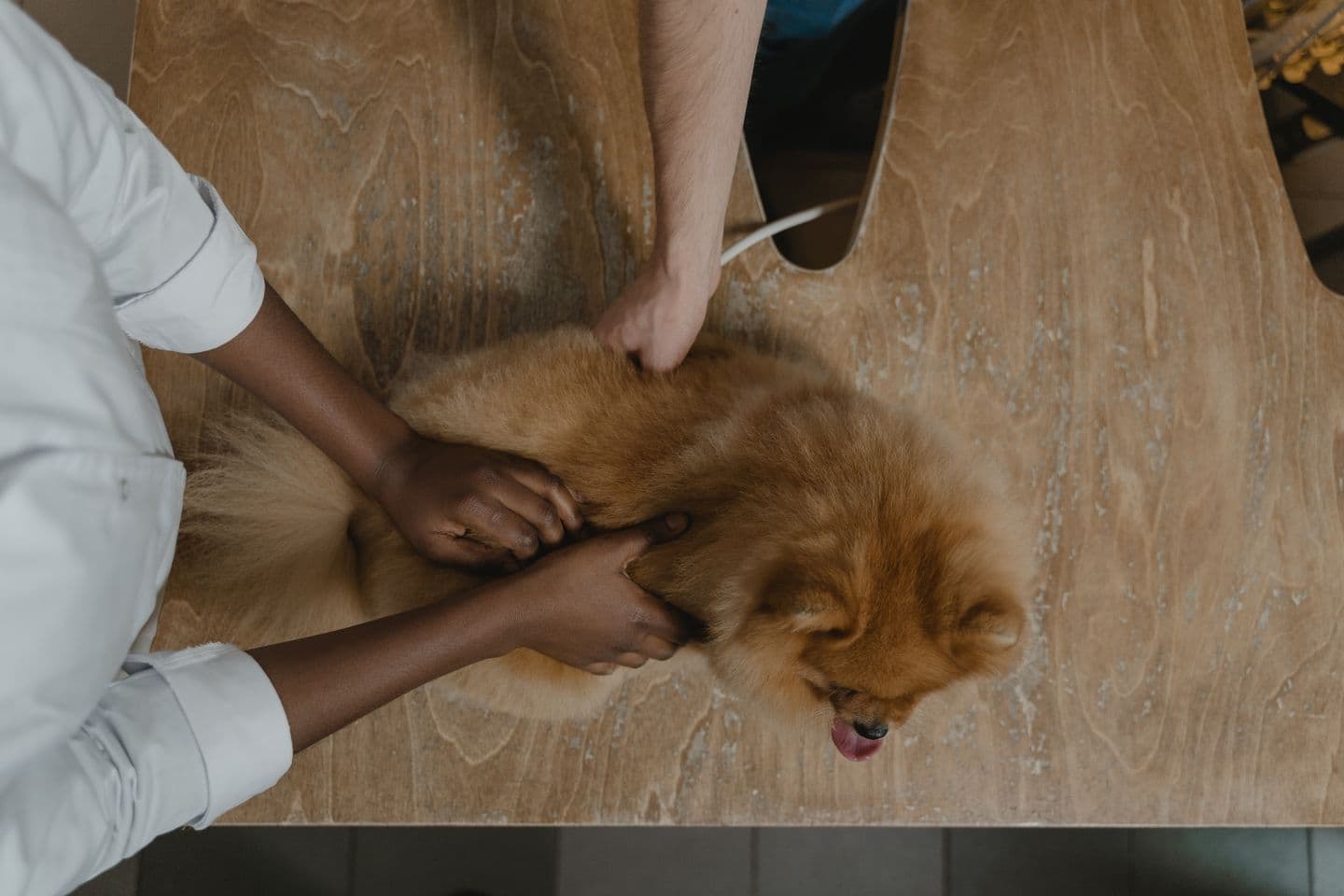
Watery eyes, medically known as epiphora, are common in dogs and range from a harmless breed trait to a sign of an underlying eye problem. Breeds with prominent eyes or long facial hair, and increasin
Watery eyes, medically known as epiphora, are common in dogs and range from a harmless breed trait to a sign of an underlying eye problem. Breeds with prominent eyes or long facial hair, and increasingly popular Indian pet choices like Shih Tzus, Pugs, and Lhasa Apsos, tend to be more affected than others.
Normal Versus Concerning Discharge
Small amounts of clear goop or crust in the inner corner, especially after sleep, is usually normal
Watery, clear tearing that occurs after exposure to dust, smoke, or pollen and settles quickly is not typically a concern
Yellow or green discharge, red or swollen eyes, or squinting are signs of infection or irritation and need veterinary attention
What Causes Epiphora
Overproduction of tears due to irritation, allergies, dust, or an eyelash growing at an abnormal angle
Blocked or narrow tear ducts, more common in certain small breeds
Conjunctivitis, whether viral, bacterial, or allergic
Entropion or ectropion, where the eyelid rolls inward or outward and causes chronic irritation
Corneal ulcers or eye injuries, usually causing sudden, painful tearing
Managing Tear Staining
The reddish brown staining seen under the eyes of light coated dogs comes from a pigment in tears called porphyrin, and it tends to worsen when facial hair stays damp, creating a breeding ground for yeast and bacteria. Gently wiping the area daily with a clean, damp cloth, keeping facial hair trimmed short around the eyes, and drying the area thoroughly after cleaning can help manage staining, though addressing the underlying cause of the tearing is more effective long term.
When to See a Vet
Sudden onset tearing, especially with squinting, pawing at the eye, redness, or visible cloudiness, needs prompt attention, since these can signal a corneal ulcer or another painful condition. Chronic, low grade tearing without pain is less urgent but still worth discussing at a routine check up, particularly if your dog's breed is known to be prone to tear duct issues. In persistent cases caused by anatomical narrowing, a vet may suggest a tear duct flushing procedure, and in more involved cases affecting brachycephalic breeds, referral to a veterinary ophthalmologist for a more thorough assessment.
Grooming Habits That Help
Regularly trimming the fur just below the inner corner of the eyes, either at home with blunt tipped scissors or during grooming visits, reduces how much hair traps moisture against the skin. For breeds prone to staining, some groomers also recommend a light dusting of a pet safe eye area powder between washes to help keep the fur drier, though this should be used only with your vet's approval.
Diet can play a small supporting role too, since some pet parents report reduced staining after switching to a food without artificial dyes and with fewer processed ingredients, though this varies between individual dogs and should not replace addressing the underlying medical cause of the tearing itself.
Common Questions
Is tear staining just cosmetic, or does it need treatment?
It is often mostly cosmetic, but chronically damp fur under the eyes can lead to skin irritation and secondary infection if left unmanaged, so regular gentle cleaning is worthwhile even in mild cases.
Can dusty conditions common in Indian cities worsen tearing?
Yes, dust and pollution are common irritants that can increase tear production. Rinsing your dog's eyes with a vet approved saline solution after dusty walks can help reduce irritation in areas with heavy traffic or construction dust.
This article is for general awareness and does not replace veterinary advice. If your dog is unwell, consult a veterinarian promptly.
Beyond the familiar Great Dane and Saint Bernard, a number of large, calm breeds carry the same gentle-giant temperament without quite the same name recognition. Most remain genuinely rare in India, b
A once-bouncy dog that suddenly seems flat, uninterested in walks, and withdrawn from the family is unsettling to watch, and the question that naturally follows is whether dogs can actually feel somet
A healthy dog isn't just a contented one; they're more playful, more energetic and more emotionally settled. As their owner, you're the biggest factor in how well your dog thrives, day in and day out.