As days shorten in North Indian winters, some owners notice their dog seems a little flatter, less playful, sleeping more. It raises a reasonable question: can dogs experience something like seasonal
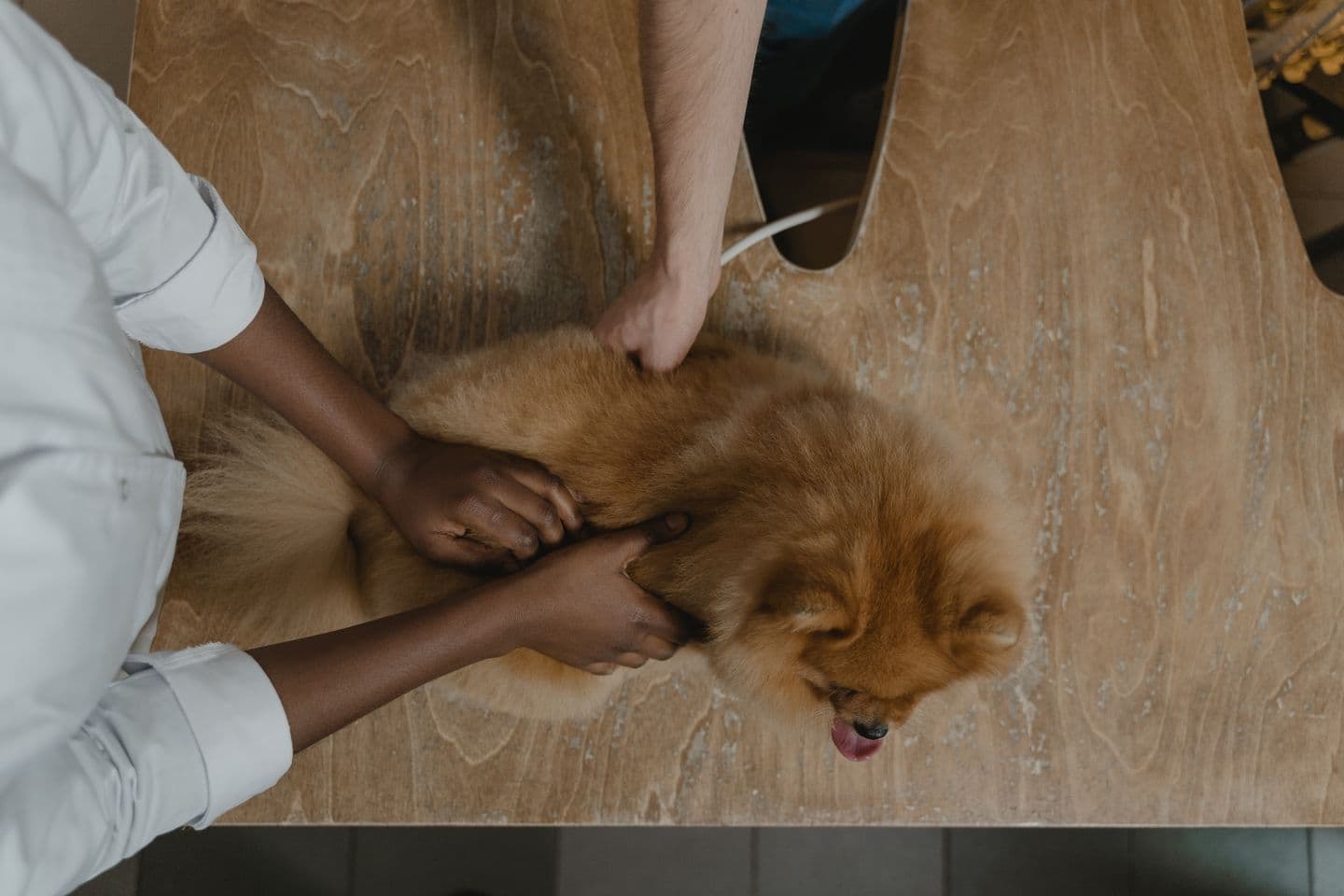
As days shorten in North Indian winters, some owners notice their dog seems a little flatter, less playful, sleeping more. It raises a reasonable question: can dogs experience something like seasonal depression?
What the evidence actually shows
There is no robust scientific evidence that dogs experience seasonal affective disorder the way some humans do, a condition tied specifically to reduced daylight affecting brain chemistry. Dogs do not appear to have the same light sensitive mood regulation pathway that drives seasonal depression in people.
That said, dogs are absolutely capable of behavioural changes tied to season, just not for the same biological reason humans experience it.
What is more likely going on
Shorter days often mean shorter or later walks, which reduces exercise and stimulation
Cold weather can genuinely be uncomfortable for short coated or senior dogs, making them less inclined to move around
Joint pain, common in older dogs, tends to worsen in cold weather and can look like low mood
Changes in household routine around winter holidays can unsettle a dog's usual schedule
What to do if your dog seems low
Rule out physical causes first, particularly joint pain or an underlying illness, with a vet check. Keep exercise and mental stimulation consistent even when days are shorter, using safe indoor games or earlier walk times. If low energy persists beyond a couple of weeks or is paired with appetite loss, it is worth investigating rather than putting it down to 'winter mood'.
Common Questions
Q: Does age make winter slowdown look worse than it is? A: Often yes, since arthritis pain tends to intensify in cold weather, and the resulting stiffness can be mistaken for low mood when it is actually physical discomfort.
Q: Should I give my dog vitamin D supplements in winter? A: Not without veterinary guidance. There is no established evidence that dogs need extra vitamin D to cope with reduced daylight, and over supplementation can be harmful.
Beyond the familiar Great Dane and Saint Bernard, a number of large, calm breeds carry the same gentle-giant temperament without quite the same name recognition. Most remain genuinely rare in India, b
A once-bouncy dog that suddenly seems flat, uninterested in walks, and withdrawn from the family is unsettling to watch, and the question that naturally follows is whether dogs can actually feel somet
A healthy dog isn't just a contented one; they're more playful, more energetic and more emotionally settled. As their owner, you're the biggest factor in how well your dog thrives, day in and day out.