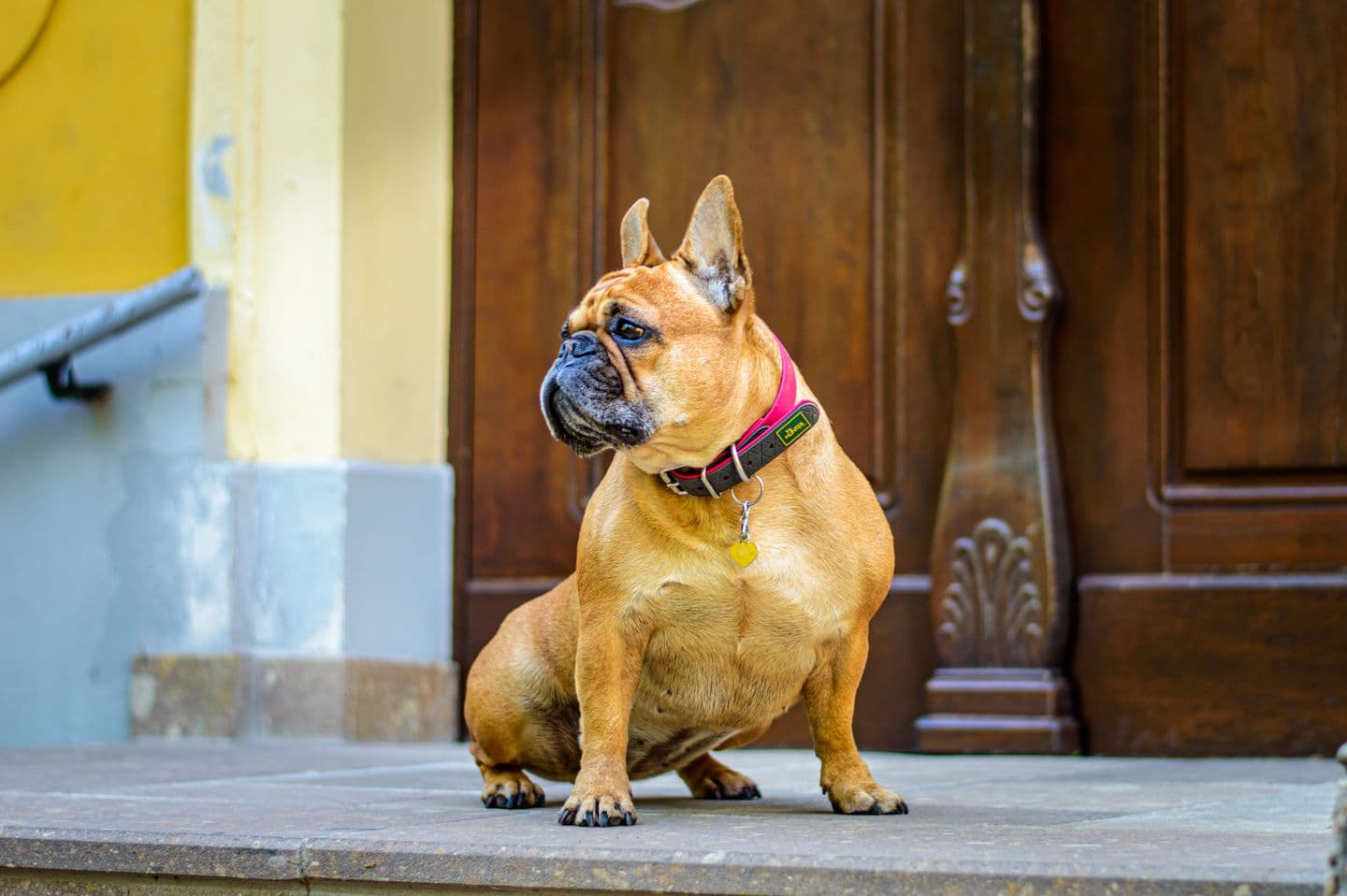
French Bulldog in India: Temperament, Health and Daily Care
The French Bulldog has become something of a status symbol in Indian cities over the past few years, and it is easy to see why. That bat-eared, snub-nosed face is instantly recognisable, the size suit
The French Bulldog has become something of a status symbol in Indian cities over the past few years, and it is easy to see why. That bat-eared, snub-nosed face is instantly recognisable, the size suits a flat, and the temperament is genuinely affectionate. What gets left out of the glossy reels is how much daily management this breed actually needs to stay healthy in Indian conditions.
Personality
Frenchies are companionable in a very specific way. They want to be near their people, not necessarily active with them. Energy levels are low to moderate, they do not demand long runs, and they tend to form a close bond with one or two family members rather than treating everyone equally. Many owners describe them as clownish indoors and surprisingly stubborn during training, which calls for patience rather than repetition.
Life in Indian homes
This is the breed where climate genuinely limits lifestyle. French Bulldogs are brachycephalic, meaning their short muzzle and narrow airway make heat dissipation difficult. Even a short walk in the midday sun during May or June can bring on laboured breathing, so daily walks need to happen at dawn or after sunset. Indoors, a cool, shaded, well-ventilated room matters more for this breed than for almost any other on this list. Swimming is also best avoided altogether, as their body shape makes them poor swimmers.
Grooming and health
The coat itself is short and easy, a weekly brush is usually enough. The real grooming task is the facial folds, which need to be wiped and dried after meals and outings to prevent bacterial and yeast infections in the humid Indian climate. Ears should be checked weekly for the same reason.
Health-wise, this is a breed that benefits from a vet who already understands brachycephalic dogs. Breathing difficulty, skin allergies, eye issues such as cherry eye, and joint problems including hip dysplasia are all more common here than in most breeds. Because natural whelping is often difficult for this breed, most litters are delivered by caesarean, which is worth knowing if you are researching the breed's background.
Quick facts
Size: small, roughly 8 to 14 kg
Coat: short, low grooming beyond fold care
Exercise: low to moderate, short walks only in cool hours
Watch for: breathing difficulty in heat, skin fold infections, joint and eye issues
Best suited to: apartment living with reliable cooling
Beyond the familiar Great Dane and Saint Bernard, a number of large, calm breeds carry the same gentle-giant temperament without quite the same name recognition. Most remain genuinely rare in India, b
A once-bouncy dog that suddenly seems flat, uninterested in walks, and withdrawn from the family is unsettling to watch, and the question that naturally follows is whether dogs can actually feel somet
A healthy dog isn't just a contented one; they're more playful, more energetic and more emotionally settled. As their owner, you're the biggest factor in how well your dog thrives, day in and day out.