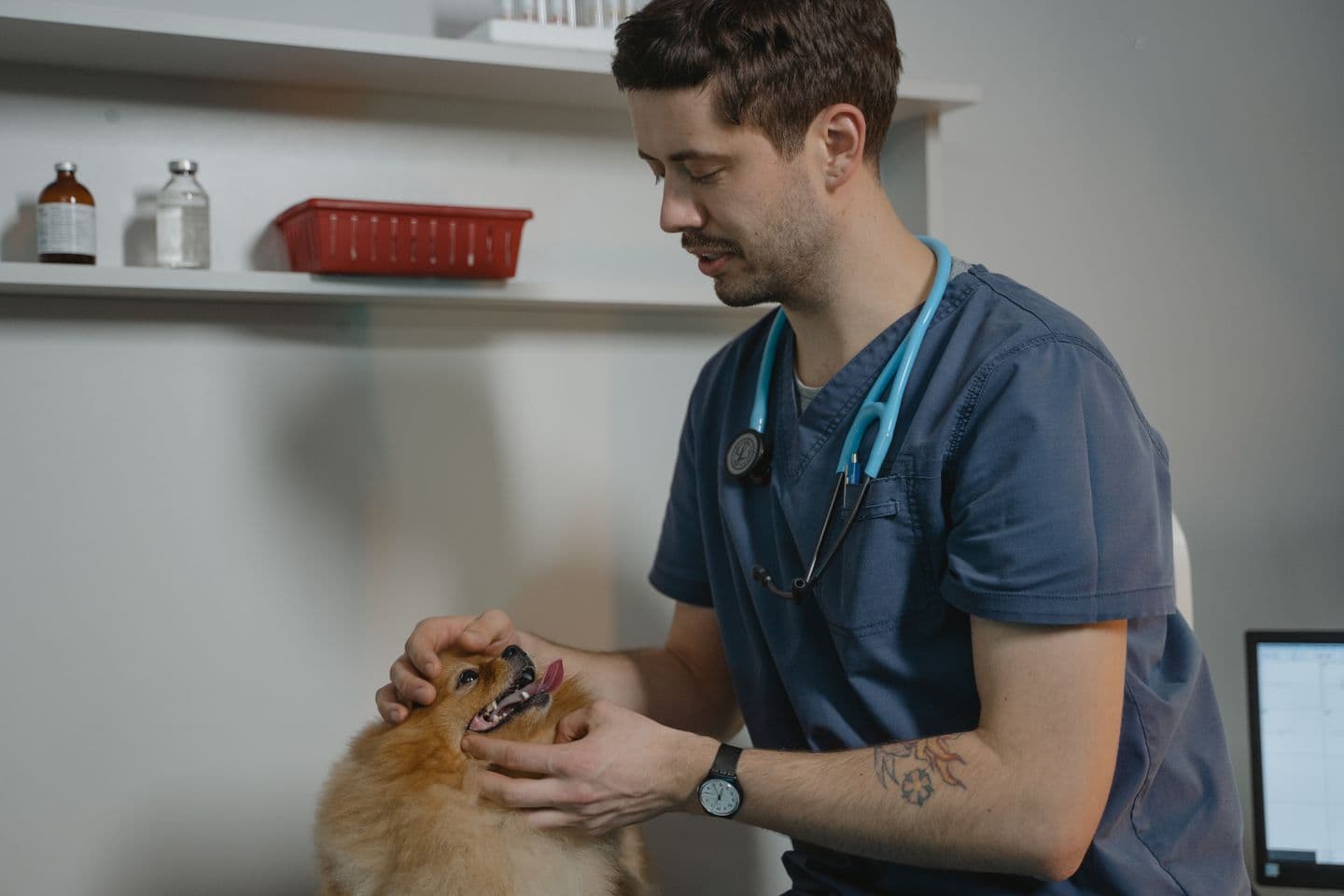
From Home Care to the Vet's Table: Understanding Dog Health Treatments
The word treatment covers a lot of ground, from a quiet day of rest at home to a course of antibiotics or a surgical procedure. Understanding roughly what each level of care involves helps you make fa
The word treatment covers a lot of ground, from a quiet day of rest at home to a course of antibiotics or a surgical procedure. Understanding roughly what each level of care involves helps you make faster, calmer decisions when your dog is unwell, and helps you work better with your vet rather than simply following instructions blindly.
Prevention is the first and best treatment
Much of what looks like treatment is really prevention done consistently. Core vaccinations, regular deworming, and tick and flea prevention suited to India's warm, humid climate all reduce the chances of serious illness later. Annual, or for senior dogs twice-yearly, wellness checkups catch problems while they are still cheap and simple to fix.
Supportive care you can offer at home
For mild, non-urgent issues, your vet may recommend supportive care rather than medication. This usually means rest, encouraging your dog to drink water, offering a bland, easily digestible diet, and keeping a close eye for the next 24 to 48 hours. What supportive care should never include is human medicine. Paracetamol, ibuprofen and many common household tablets are toxic to dogs even in small doses, and should only ever be given on a vet's explicit instruction.
When medication enters the picture
Antibiotics, anti-inflammatories and prescription diets are the next step for confirmed infections, injuries or chronic conditions. The single most common mistake pet parents make here is stopping a course early once the dog seems better. Incomplete antibiotic courses are a major reason infections return, sometimes in a harder-to-treat form. If your vet prescribes fourteen days of medicine, that means fourteen days, not until the symptoms disappear.
Diagnostics that guide the decision
Indian veterinary clinics, particularly in larger cities, now commonly offer blood tests, X-rays, ultrasound and in-house lab work that used to require a referral. These tests are not your vet running up a bill unnecessarily. Bloodwork before starting a new medicine, or an ultrasound before assuming a stomach upset is nothing serious, often changes the treatment plan for the better. Pet insurance is still young in India but growing, and it is worth exploring if you want treatment decisions to be guided by your dog's needs rather than your immediate budget.
Choosing where to seek care
A trusted local clinic is usually right for everyday issues, vaccinations and minor illnesses. Larger referral hospitals make sense for surgery, specialist opinions or complicated cases. Telemedicine has become a genuinely useful middle option for a quick opinion on whether something needs an in-person visit, particularly useful for pet parents outside major cities.
Treatment, in the end, is rarely a single dramatic act. It is usually a series of smaller, consistent decisions, feeding the right diet, finishing the course, showing up for the follow-up visit, that add up to a full recovery.
Getting a second opinion without guilt
If a treatment plan is not working, or a diagnosis feels uncertain, asking for a second opinion is a normal, sensible part of good care, not an insult to your regular vet. Complex or chronic cases in particular benefit from a fresh set of eyes, and a good vet will not be offended by the request. Bring your dog's full history, previous test results, medication list and dates, to the second appointment, since repeating tests unnecessarily wastes both money and time your dog does not need to lose. It also protects you financially in the long run, catching a condition early through consistent preventive care is almost always cheaper than treating the same condition once it has progressed to an emergency.
Yoast SEO Metadata
Tags: dog treatment, veterinary care, dog medication, pet health India
Beyond the familiar Great Dane and Saint Bernard, a number of large, calm breeds carry the same gentle-giant temperament without quite the same name recognition. Most remain genuinely rare in India, b
A once-bouncy dog that suddenly seems flat, uninterested in walks, and withdrawn from the family is unsettling to watch, and the question that naturally follows is whether dogs can actually feel somet
A healthy dog isn't just a contented one; they're more playful, more energetic and more emotionally settled. As their owner, you're the biggest factor in how well your dog thrives, day in and day out.