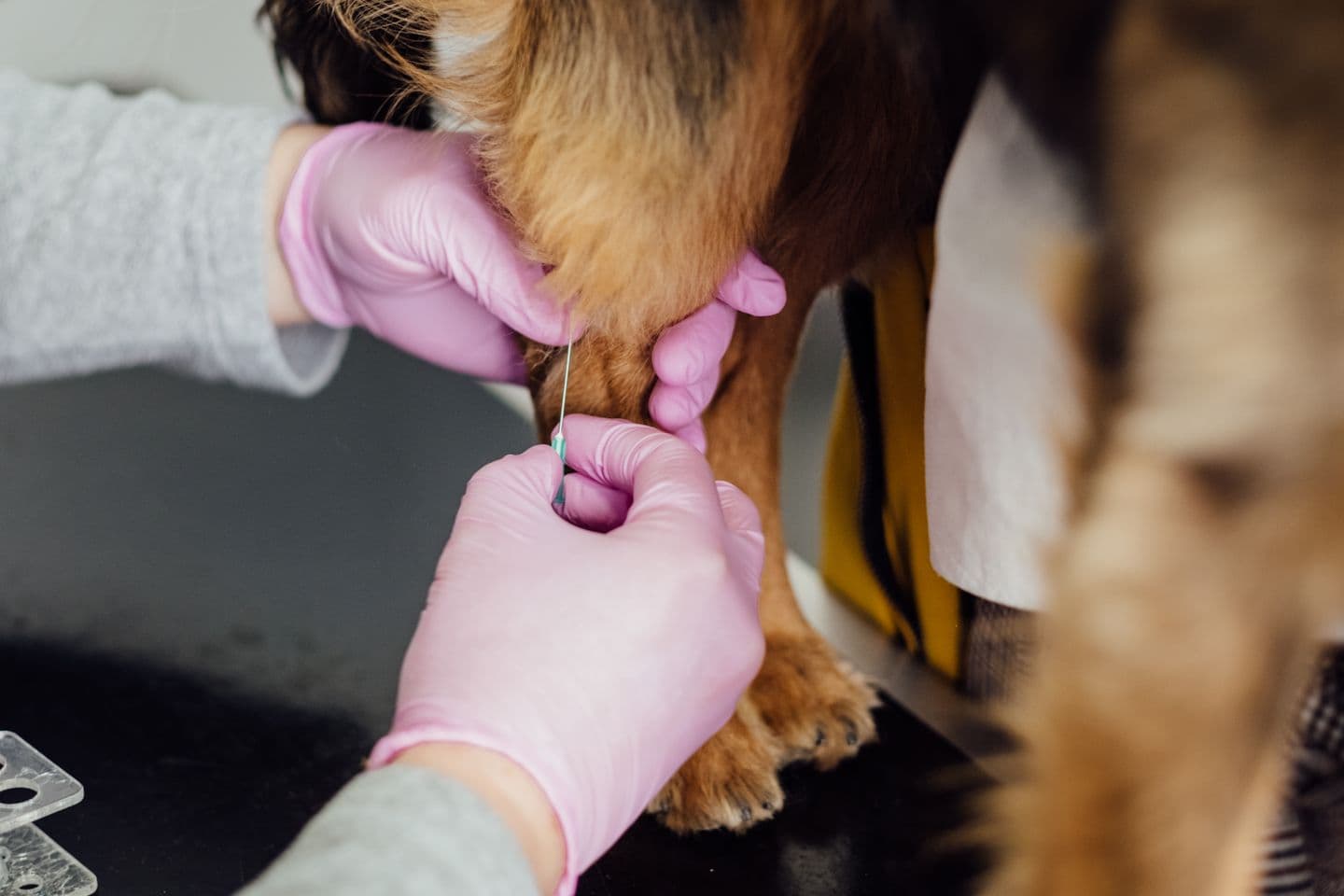
Grass Seeds and Awns: The Hidden Post-Monsoon Danger for Dogs
Once the monsoon eases and overgrown grass begins to dry out, parks, fields and roadside verges across India fill with a small, easily missed hazard, sharp grass seeds and awns that latch onto a dog's
Once the monsoon eases and overgrown grass begins to dry out, parks, fields and roadside verges across India fill with a small, easily missed hazard, sharp grass seeds and awns that latch onto a dog's coat and, in the worst cases, burrow straight through the skin.
What makes grass seeds dangerous
Certain grasses, including wild barley and related species found across many parts of India, produce seed heads with barbed awns designed to travel in one direction only, forward. Once attached to fur or lodged against skin, these barbs prevent the seed from backing out, and normal movement gradually works it deeper into tissue rather than dislodging it.
Where they typically cause trouble
Between the toes, causing sudden limping and constant licking of one paw
In the ears, leading to head shaking, scratching and visible discomfort
Up the nose, causing intense, sudden sneezing, sometimes with blood
Under the eyelid, causing a red, weepy, painful eye
Anywhere on the skin, particularly in long-haired or feathered breeds, where an awn can go unnoticed until an abscess forms
Why they need a vet, not home removal
A visible seed sitting loosely on the coat can be brushed away safely. One that has already penetrated skin should not be pulled at home, attempting removal can break the awn apart, leaving fragments that continue migrating and causing infection. Vets typically use specialised tools, sometimes under sedation, to locate and fully remove an embedded seed, since any piece left behind continues to cause problems.
Reducing the risk
Check your dog's paws, ears, coat and around the eyes after any walk through overgrown grass or fields, particularly just after the monsoon when growth is heaviest
Keep the fur between paw pads trimmed, since this is one of the most common entry points
Avoid letting dogs run freely through unmown, seeded grass during the season when awns are dry and hardened
Act quickly if you notice sudden limping, head shaking or unexplained sneezing after time outdoors, rather than waiting to see if it resolves on its own
This is a small, seasonal risk that is easy to prevent with a quick check after outdoor time, and considerably harder to treat once a seed has already worked its way in.
Checking your own clothing and shoes too
Grass seeds do not only hitch a ride on your dog, they cling to socks, shoelaces and trouser hems just as readily, and can be carried indoors or into a car this way, only to work their way onto your dog later. After a walk through overgrown grass, a quick check of your own footwear and lower clothing is a small extra step that closes off one more route these seeds use to eventually end up in your dog's paws or coat.
Yoast SEO Metadata
Tags: grass seed injury dogs, dog paw awn, post monsoon dog hazards
Beyond the familiar Great Dane and Saint Bernard, a number of large, calm breeds carry the same gentle-giant temperament without quite the same name recognition. Most remain genuinely rare in India, b
A once-bouncy dog that suddenly seems flat, uninterested in walks, and withdrawn from the family is unsettling to watch, and the question that naturally follows is whether dogs can actually feel somet
A healthy dog isn't just a contented one; they're more playful, more energetic and more emotionally settled. As their owner, you're the biggest factor in how well your dog thrives, day in and day out.