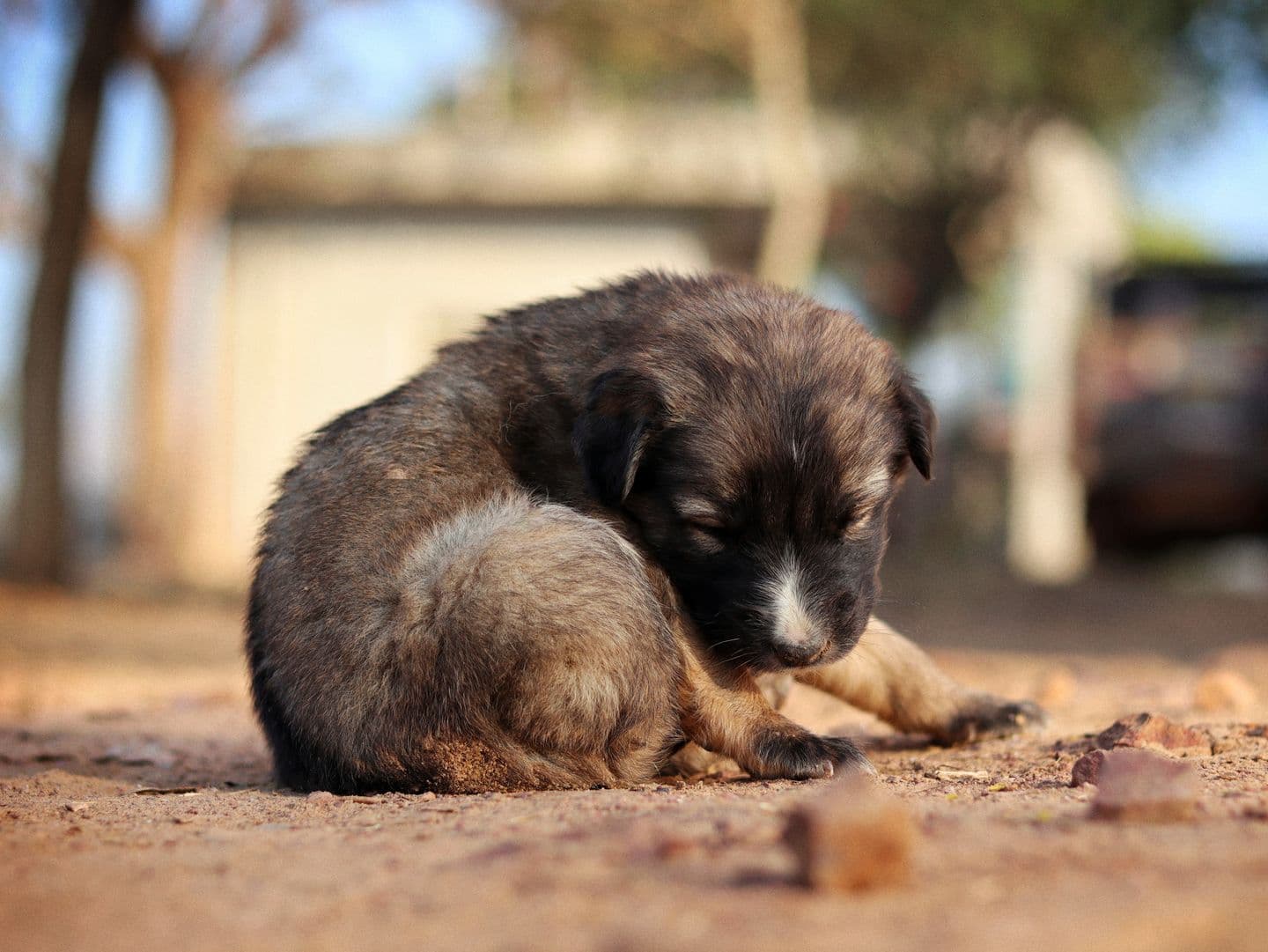
How to Help Your Constipated Puppy: Tips and Solutions
Puppies generally have fast, active digestive systems, so a sudden stretch without a bowel movement often stands out quickly to an attentive owner. Constipation is less common in puppies than adult do
Puppies generally have fast, active digestive systems, so a sudden stretch without a bowel movement often stands out quickly to an attentive owner. Constipation is less common in puppies than adult dogs but still happens, and gentle, puppy appropriate care usually resolves mild cases.
Common Causes in Puppies
Dehydration, particularly in hot weather or if water intake has dropped
A recent diet change, or eating something unusual, including grass, dirt, or small foreign objects while exploring
Low fibre diets or too much bone content in home prepared meals
Stress from a new environment, travel, or a change in routine
Intestinal parasites, which are more common in puppies and can affect normal gut motility
Home Care for Mild Cases
Ensure fresh water is always available, and encourage drinking with a pet fountain if your puppy seems to prefer moving water
A small amount of plain canned pumpkin puree, adjusted for your puppy's size, can add helpful fibre and moisture
Gentle, age appropriate play and short walks can help stimulate the bowel
Avoid sudden food changes, and transition to any new diet gradually over a week or more
What to Avoid
Do not give a puppy human laxatives, mineral oil, or other home remedies without checking with a vet first, since puppies are more sensitive to dosing errors than adult dogs. If you suspect your puppy may have swallowed something it should not have, such as a small toy or piece of fabric, contact your vet rather than trying home remedies at all.
When to See a Vet
Seek veterinary care if your puppy has not passed stool in 24 to 48 hours, is straining without success, seems painful or bloated, or is vomiting alongside the constipation. Because puppies dehydrate and decline faster than adult dogs, do not wait as long before seeking help as you might with a fully grown dog.
When Weaning Affects Bowel Habits
Puppies transitioning from mother's milk to solid food sometimes experience a brief, temporary change in stool consistency, including short spells of firmer stool, as their digestive system adjusts to processing solid food for the first time. This is usually self limiting within a week or two of a gradual weaning process and is different from ongoing constipation, which needs the causes and care outlined above.
If you have recently brought home a very young puppy still adjusting from its litter, ask the breeder or shelter about the exact weaning food and schedule used so far, and continue as close to that pattern as possible for at least the first week before introducing further changes.
Common Questions
Is it normal for a puppy's bowel movements to vary a lot in the first few months?
Some variation is normal as a puppy's diet and gut flora develop, but the pattern should generally settle within a reasonable range for their age and food. Big, sudden changes are worth mentioning at the next vet visit even if not urgent.
Can teething cause constipation in puppies?
There is no strong established link between teething and constipation specifically, though the general stress and increased chewing during this phase can occasionally coincide with minor digestive changes. Persistent constipation should still be checked rather than attributed to teething.
This article is for general awareness and does not replace veterinary advice. If your dog is unwell, consult a veterinarian promptly.
Beyond the familiar Great Dane and Saint Bernard, a number of large, calm breeds carry the same gentle-giant temperament without quite the same name recognition. Most remain genuinely rare in India, b
A once-bouncy dog that suddenly seems flat, uninterested in walks, and withdrawn from the family is unsettling to watch, and the question that naturally follows is whether dogs can actually feel somet
A healthy dog isn't just a contented one; they're more playful, more energetic and more emotionally settled. As their owner, you're the biggest factor in how well your dog thrives, day in and day out.