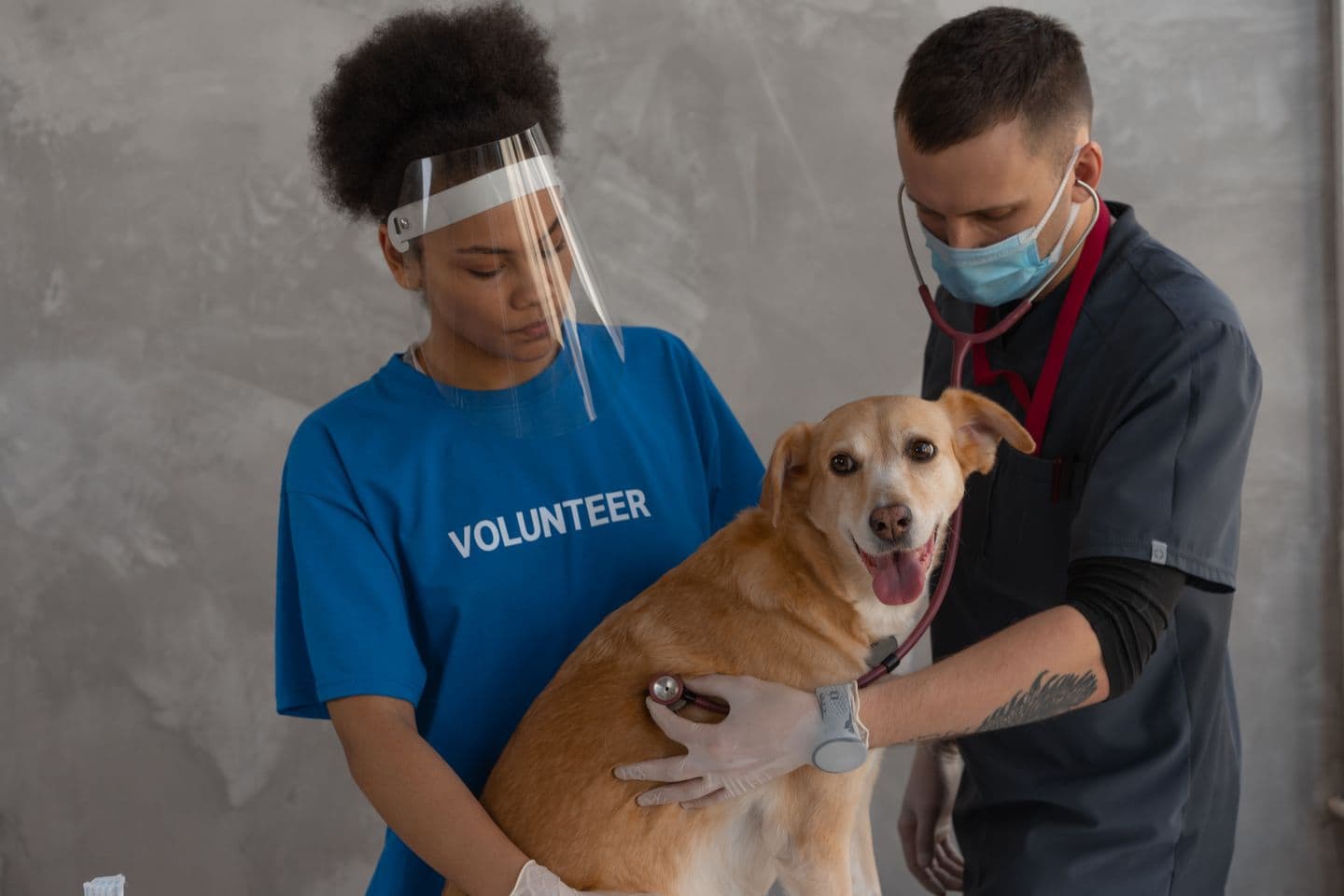
How to Read Your Dog's Body: Spotting Symptoms Before They Become Serious
Dogs are masters at hiding discomfort. It is an old survival instinct, carried over from their wild ancestors who could not afford to look weak in front of a pack. This means that by the time your dog
Dogs are masters at hiding discomfort. It is an old survival instinct, carried over from their wild ancestors who could not afford to look weak in front of a pack. This means that by the time your dog is limping obviously or refusing food outright, the underlying problem may have been brewing for days. Learning to notice the small, early signals is one of the most useful skills any pet parent can build.
The everyday signals worth watching
You do not need veterinary training to be a good observer. You simply need to know your dog well enough to notice when something is off. Pay attention to these five areas every day, almost without thinking about it.
Appetite and thirst: A dog who suddenly skips meals, or one who cannot seem to drink enough water, is telling you something.
Energy levels: A playful dog who becomes withdrawn, or a calm dog who becomes restless and unable to settle, is showing a change worth noting.
Coat and skin: Dullness, flaking, bald patches or a sudden burst of scratching often point to skin issues, allergies or parasites.
Breathing: Panting after play is normal. Panting while resting in a cool room, or laboured breathing, is not.
Bathroom habits: Straining, blood, unusually soft stool for more than a day, or a change in how often your dog urinates all deserve attention.
Signs that need a same-day vet visit
Some symptoms should never wait for a convenient time. If you notice any of the following, treat it as urgent rather than something to monitor overnight.
Repeated vomiting, especially with blood or inability to keep even water down
A swollen, hard or bloated abdomen, particularly in large or deep-chested breeds
Difficulty breathing, blue or pale gums, or collapse
Straining to urinate with little or no output, which can signal a blockage
Seizures, sudden disorientation or inability to stand
A simple home health check routine
Once a week, spend five quiet minutes running your hands over your dog. Check the eyes for cloudiness or discharge, the ears for odour or redness, the mouth for bad breath or loose teeth, the paws for cracked pads or embedded thorns, and the skin for lumps or ticks. This is especially useful in India, where brown dog ticks and seasonal skin flare-ups from heat and humidity are common. A weekly check turns a vague worry into a specific observation you can describe accurately to your vet.
When home care is not enough
India's veterinary access has changed quickly. Metro pet parents often have 24-hour hospitals nearby, while those in smaller towns may rely on the nearest livestock or general practice vet, or increasingly, video consultations through apps built for pet care. Whichever route you use, keep a simple note on your phone of what changed and when. It sounds unnecessary until the day it saves your dog a delayed diagnosis.
The bottom line is straightforward. You know your dog's normal better than anyone else in the room, including the vet meeting them for the first time. Trust that knowledge, act on it early, and you will catch far more problems while they are still easy to treat.
Keeping a simple symptom diary
A short written record makes a real difference when something does not resolve quickly. Note the date a symptom first appeared, roughly how often it happens, and anything that seems to make it better or worse, a particular food, the weather, time of day. When you eventually describe this to your vet, specific patterns like "vomiting twice a day for three days, always after breakfast" lead to a faster, more accurate diagnosis than a vague "he has been sick on and off." This habit costs almost nothing and consistently shortens the distance between noticing something is wrong and actually fixing it. It also makes vet visits noticeably shorter and more productive, since your vet spends less time reconstructing a vague timeline from memory and more time actually addressing the problem.
Yoast SEO Metadata
Tags: dog health, dog symptoms, vet care India, pet wellness, dog first aid
Beyond the familiar Great Dane and Saint Bernard, a number of large, calm breeds carry the same gentle-giant temperament without quite the same name recognition. Most remain genuinely rare in India, b
A once-bouncy dog that suddenly seems flat, uninterested in walks, and withdrawn from the family is unsettling to watch, and the question that naturally follows is whether dogs can actually feel somet
A healthy dog isn't just a contented one; they're more playful, more energetic and more emotionally settled. As their owner, you're the biggest factor in how well your dog thrives, day in and day out.