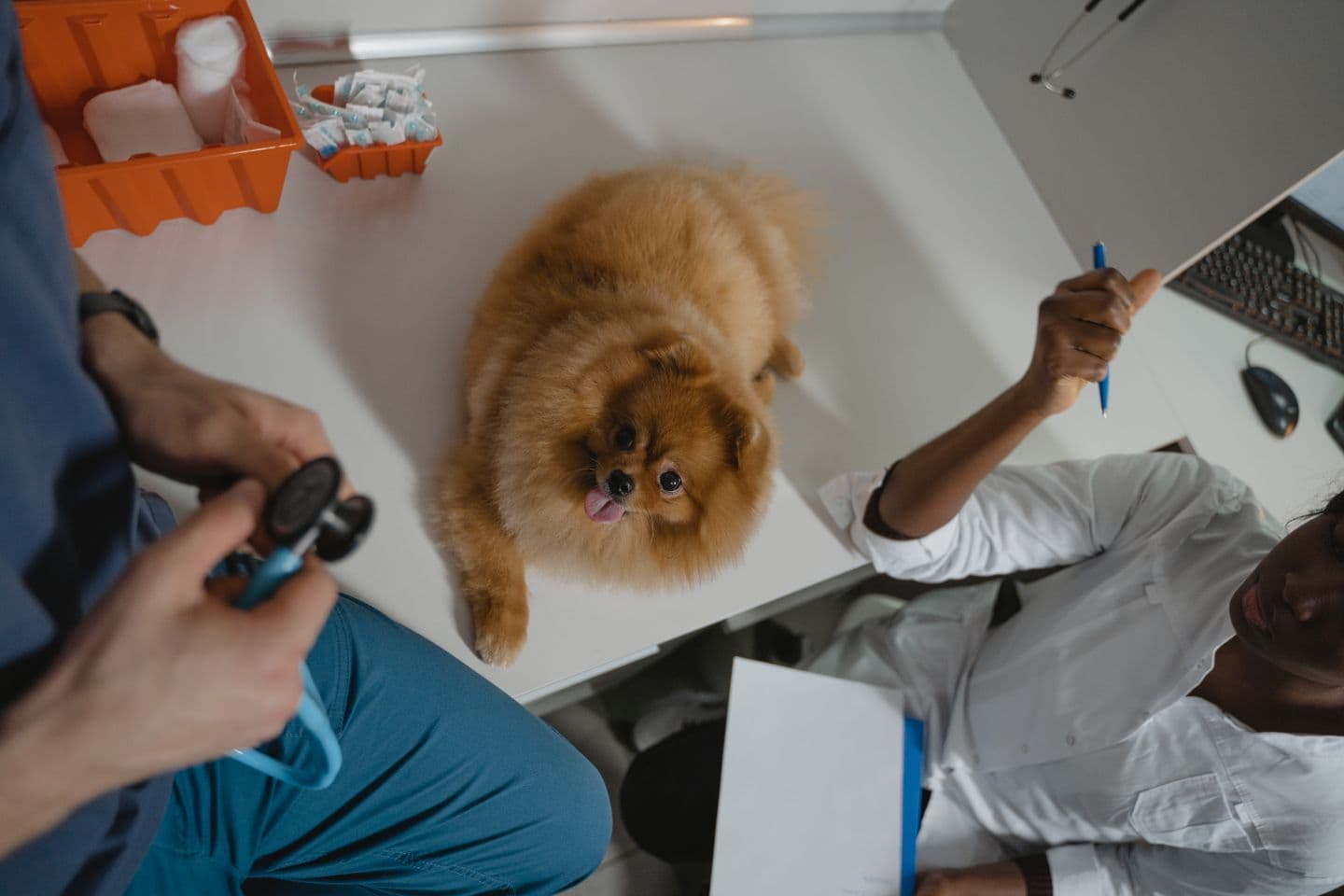
Knowing how to check your dog's temperature at home is a genuinely useful skill, particularly during India's hottest months when distinguishing ordinary panting from a real fever can matter.
Knowing how to check your dog's temperature at home is a genuinely useful skill, particularly during India's hottest months when distinguishing ordinary panting from a real fever can matter.
What you will need
A digital thermometer, ideally one kept just for your dog, not shared with the household
A water-based lubricant, such as petroleum jelly or KY jelly
Treats, for a calmer experience and a better association afterwards
The most accurate method
A rectal reading is the gold standard, however unglamorous it sounds. Lubricate the thermometer tip and gently insert it while holding your dog's tail up and steady, going in about 2.5 centimetres (roughly an inch) for small dogs and cats, and up to 5 to 7.5 centimetres (two to three inches) for larger dogs. Never force it if you feel resistance, ease back and let your dog settle before trying again. Wait for the digital beep, usually under a minute. Praise and a treat immediately after helps your dog tolerate this better next time.
Gentler alternatives
Ear thermometers designed specifically for pets are less invasive and more tolerable for many dogs, though slightly less precise than a rectal reading. They can still give a useful general indication, particularly for a quick check when you are unsure whether a vet visit is needed.
What counts as a fever
A normal dog temperature sits between roughly 37.8 and 39.2 degrees Celsius (100 to 102.5°F). A reading above 39.4°C (103°F) suggests a fever and warrants a call to your vet, particularly if paired with lethargy, reduced appetite or other symptoms. A reading below 37.2°C (99°F) is equally worth a call, since low body temperature can indicate shock or another serious issue.
A few practical tips
Take the reading when your dog is calm, not immediately after play or excitement, which can temporarily raise the number
Have a second person help hold and steady your dog for the first few attempts
Clean the thermometer thoroughly with alcohol before and after each use
If your dog is distressed or aggressive during the process, do not force it, an ear thermometer or a vet visit is the safer option
This is a two-minute skill worth practising once while your dog is healthy, so you are not fumbling through it for the first time during an actual worry.
Building your dog's tolerance for handling generally
A dog who is comfortable with routine handling, paws touched, mouth opened, ears checked, tends to tolerate a rectal temperature reading far better too, since it is simply one more form of handling rather than an isolated, unfamiliar event. Practising gentle, rewarded handling sessions unrelated to any actual need, a few minutes here and there during calm moments, builds this comfort gradually and pays off at every vet visit and home health check going forward, not just this one. Reward generously and keep these practice sessions entirely separate from anything unpleasant, the goal is for your dog to associate calm handling with good things happening, not to brace for something uncomfortable every time you reach for them.
Yoast SEO Metadata
Tags: dog temperature, dog fever, pet first aid, dog thermometer
Beyond the familiar Great Dane and Saint Bernard, a number of large, calm breeds carry the same gentle-giant temperament without quite the same name recognition. Most remain genuinely rare in India, b
A once-bouncy dog that suddenly seems flat, uninterested in walks, and withdrawn from the family is unsettling to watch, and the question that naturally follows is whether dogs can actually feel somet
A healthy dog isn't just a contented one; they're more playful, more energetic and more emotionally settled. As their owner, you're the biggest factor in how well your dog thrives, day in and day out.