A dog that will not stop scratching is one of the most common reasons pet parents reach for the phone to call the vet, and rightly so, since itching can stem from anything as simple as dry skin to som
A dog that will not stop scratching is one of the most common reasons pet parents reach for the phone to call the vet, and rightly so, since itching can stem from anything as simple as dry skin to something as serious as a spreading infection. Knowing what can be tried at home, and when home care is not enough, makes a real difference.
What is actually behind the itch
Itching is a symptom, not a diagnosis in itself. It can be caused by fleas, environmental or food allergies, dry skin, a bacterial or yeast infection, mites, or a combination of several of these at once. This is exactly why a dog that keeps scratching despite a bath or a home remedy usually needs a proper veterinary look rather than an escalating series of guesses.
Gentle relief that can help in the short term
A cool to lukewarm colloidal oatmeal bath, soaked for ten to fifteen minutes before rinsing
A thin layer of pure, alcohol free aloe vera on visibly irritated but unbroken skin
An Elizabethan collar or soft recovery suit to stop a dog from making a sore spot worse through constant licking
Regular brushing to remove loose allergens trapped in the coat
Cooled, plain chamomile tea applied with a soft cloth to calm mild irritation
Signs that call for a vet visit rather than a home remedy
Itching that has lasted more than a few days without improvement
Broken skin, bleeding, or an unpleasant odour coming from the affected area
Hair loss in patches
Thickened, darkened skin from long term irritation
Itching severe enough to disturb the dog's sleep or daily behaviour
What a vet visit usually involves
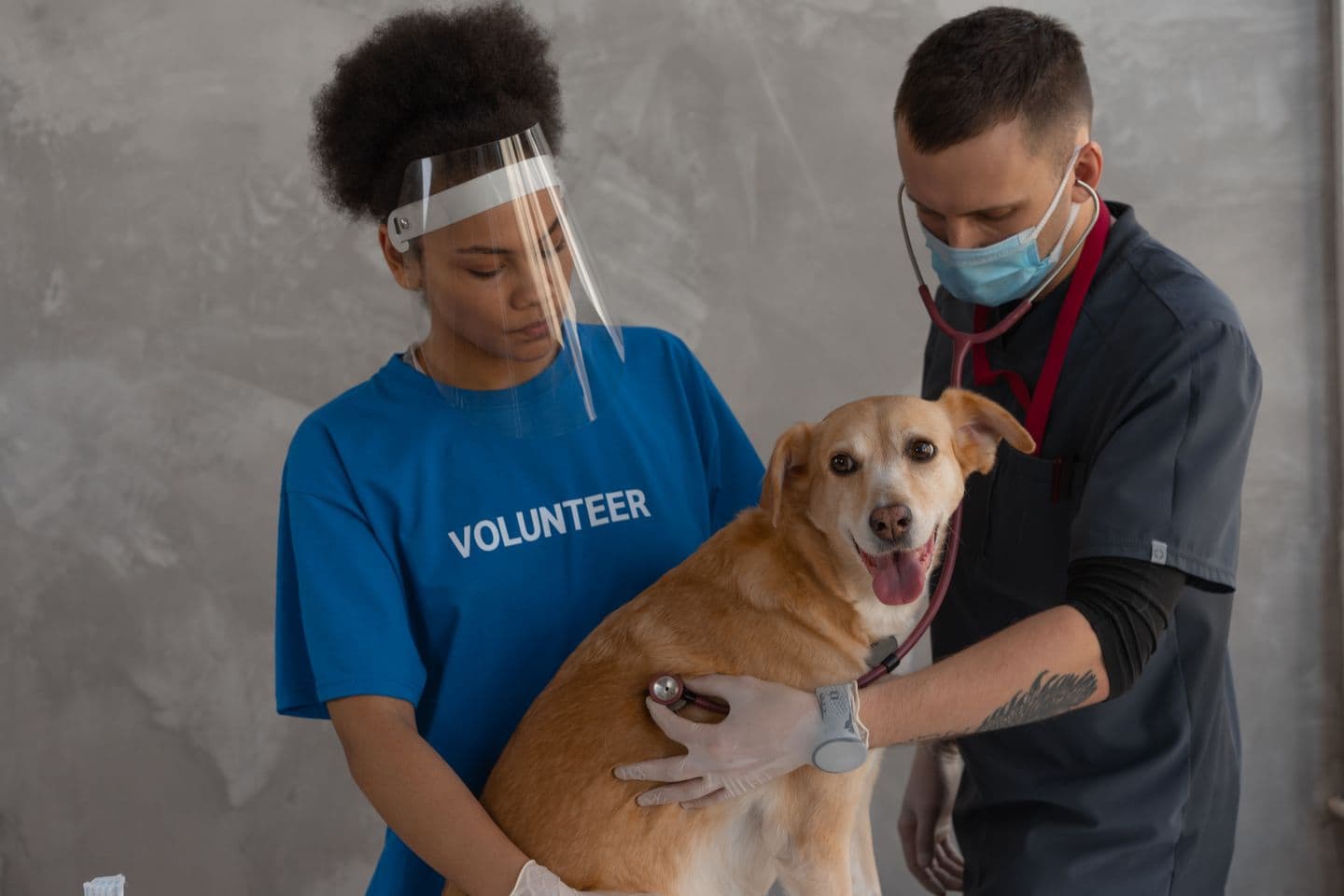
A vet will typically start with the simplest, least invasive checks first, such as a skin scraping to rule out mites or a quick cytology test to check for infection, before moving on to allergy specific testing if the itching does not resolve with initial treatment. Being able to describe when the itching started, which parts of the body are affected, and whether anything seems to make it better or worse gives the vet a real head start.
Beyond the familiar Great Dane and Saint Bernard, a number of large, calm breeds carry the same gentle-giant temperament without quite the same name recognition. Most remain genuinely rare in India, b
A once-bouncy dog that suddenly seems flat, uninterested in walks, and withdrawn from the family is unsettling to watch, and the question that naturally follows is whether dogs can actually feel somet
A healthy dog isn't just a contented one; they're more playful, more energetic and more emotionally settled. As their owner, you're the biggest factor in how well your dog thrives, day in and day out.