Lumps and Bumps: A Dog Owner's Guide to What They Could Mean
Running your hands over your dog during a cuddle and finding an unexpected lump is unsettling. The good news is that most lumps in dogs are benign, but the only way to know for certain is to have a ve
Running your hands over your dog during a cuddle and finding an unexpected lump is unsettling. The good news is that most lumps in dogs are benign, but the only way to know for certain is to have a vet examine it.
This guide explains the common types of lumps, what tends to cause them, and when a lump needs urgent attention rather than a wait and watch approach.
Common types of lumps
Lipomas: soft, movable fatty lumps under the skin, very common in older and overweight dogs, usually harmless
Sebaceous cysts: small, round lumps caused by blocked oil glands, sometimes leaking a thick discharge
Warts (papillomas): rough, cauliflower like growths, more common in young dogs and often viral
Abscesses: hot, painful, fluid filled swellings, often from a bite wound or thorn, common in dogs that roam or interact with strays
Tumours, benign or malignant: firmer, sometimes fast growing or irregular in shape
The lump that likes to hide: mast cell tumours
One reason vets are cautious about lumps is the mast cell tumour, the most commonly diagnosed skin tumour in dogs. It has earned the nickname 'the great pretender' because it can look exactly like a harmless lipoma or wart: soft, small, sometimes present for months without changing. Boxers, Bulldogs, Pugs, Boston Terriers, Labradors and Golden Retrievers are at higher risk. A useful warning sign is a lump that suddenly swells, reddens, or shrinks after being touched or rubbed, since mast cells release histamine when disturbed. This is exactly why a fine needle aspiration matters even for a lump that looks unremarkable.
What raises concern
A lump is more worrying if it grows quickly, feels firmly attached to the tissue underneath rather than moving freely, is painful to the touch, changes colour, or bleeds or ulcerates. Lumps that appear in older large breed dogs deserve particular attention, since breeds such as Labradors, Golden Retrievers and Boxers have a higher lifetime risk of certain cancers.
Diagnosis and treatment
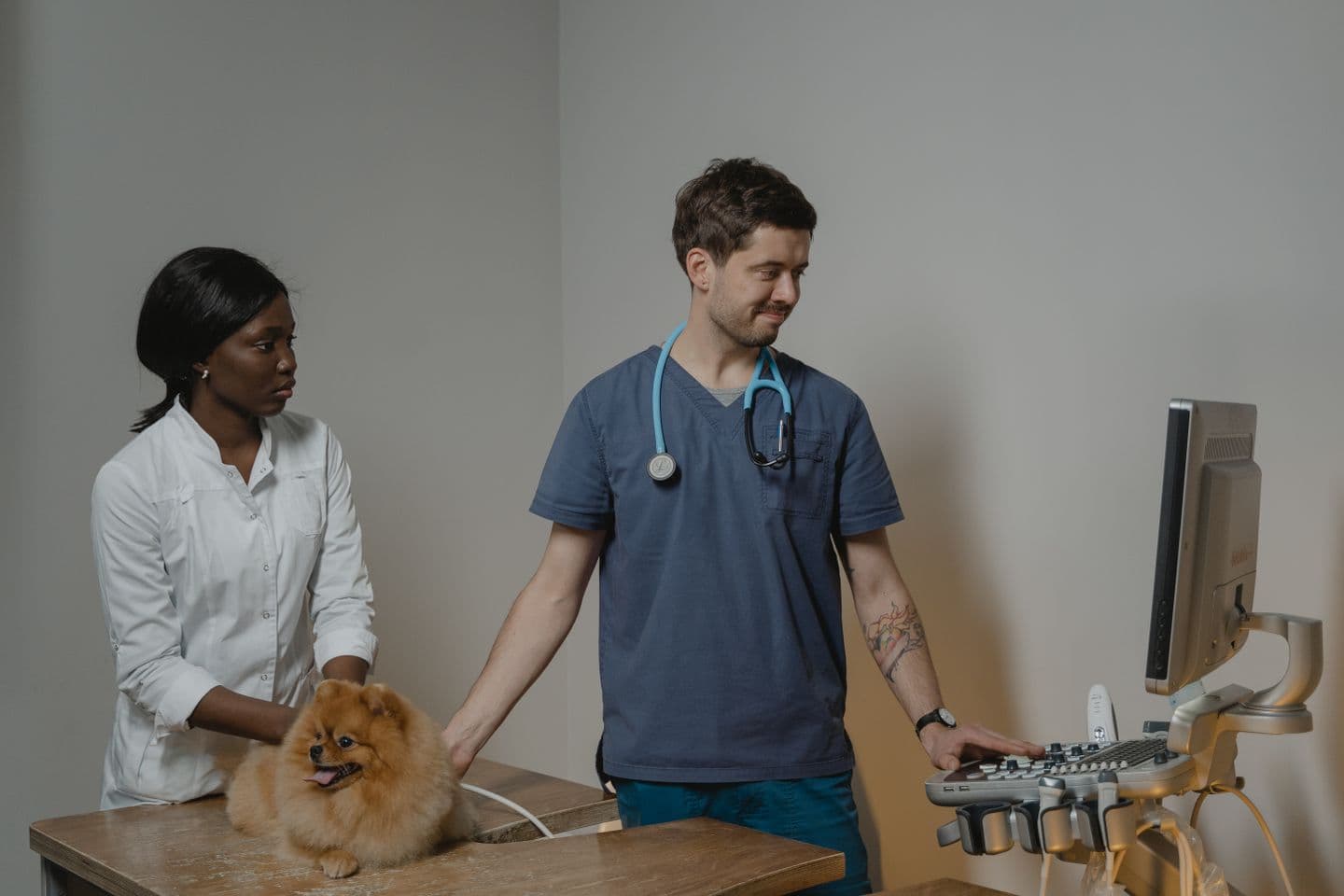
A vet will typically perform a fine needle aspiration, a quick and low discomfort procedure where a small sample of cells is drawn out with a needle and examined under a microscope. This alone often tells them whether the lump is fatty, cystic, infectious, or suspicious enough to warrant a biopsy.
Treatment depends entirely on the diagnosis. Lipomas are often simply monitored unless they interfere with movement. Abscesses are drained and treated with antibiotics. Suspicious or malignant growths are usually removed surgically, sometimes followed by further treatment depending on the type.
A practical rule for Indian pet parents
Given how common street dog interactions and outdoor play are here, many lumps turn out to be abscesses from bites or thorn injuries rather than anything sinister. Even so, any new lump that has not resolved within two weeks is worth a vet visit, and any lump on a senior dog should never be dismissed as 'just fatty tissue' without a proper check.
Common Questions
Q: Should I worry if the lump doesn't hurt? A: Painless does not mean harmless. Many cancerous lumps, including early mast cell tumours, cause no pain at all, which is exactly why a fine needle aspiration matters regardless of comfort level.
Q: How often should I check my dog for lumps? A: Monthly is a reasonable habit for most adult dogs, and worth doing more often for seniors or breeds known to be lump prone, such as Labradors and Boxers.
Beyond the familiar Great Dane and Saint Bernard, a number of large, calm breeds carry the same gentle-giant temperament without quite the same name recognition. Most remain genuinely rare in India, b
A once-bouncy dog that suddenly seems flat, uninterested in walks, and withdrawn from the family is unsettling to watch, and the question that naturally follows is whether dogs can actually feel somet
A healthy dog isn't just a contented one; they're more playful, more energetic and more emotionally settled. As their owner, you're the biggest factor in how well your dog thrives, day in and day out.