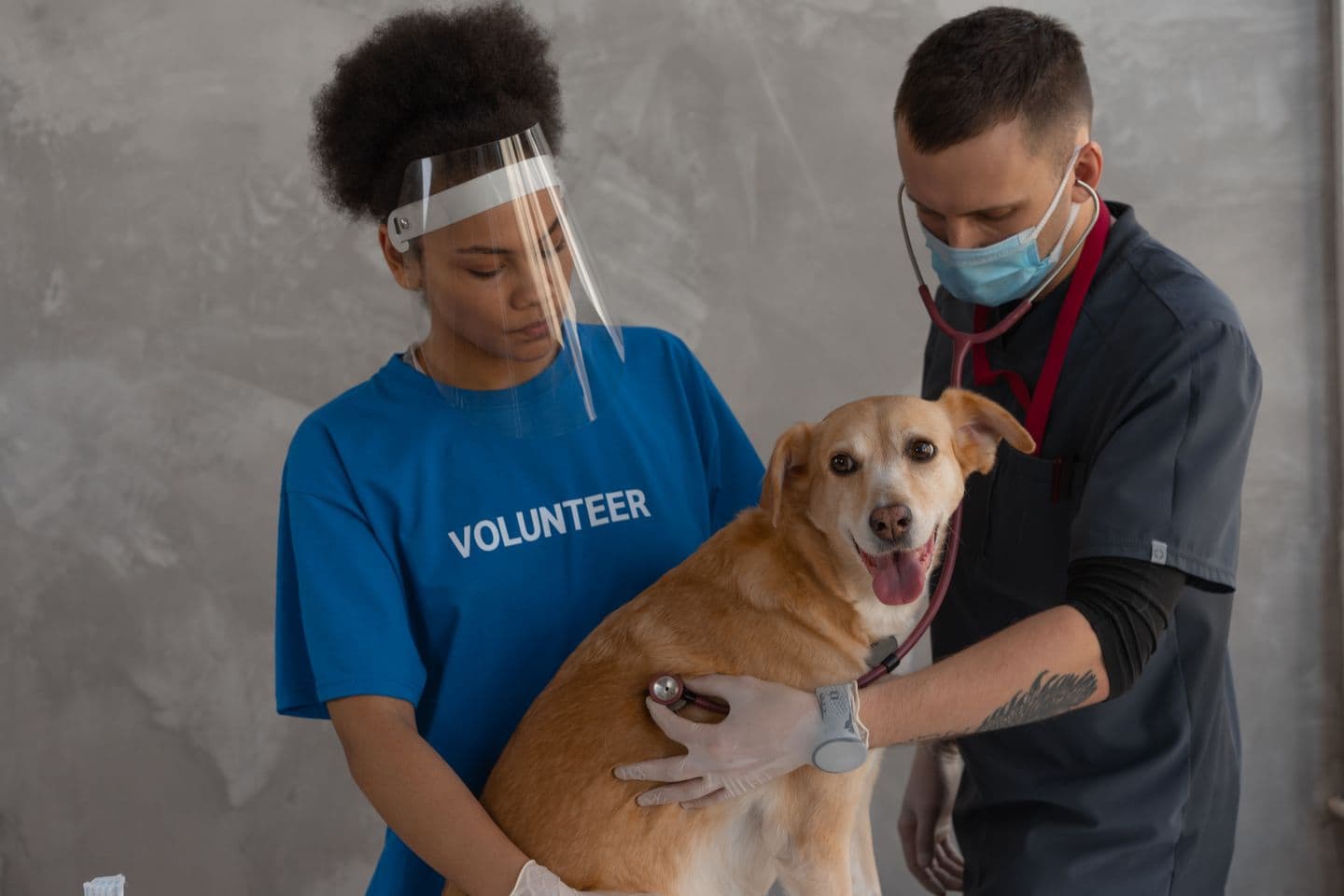
Finding an unexpected lump while petting your dog is unsettling, but the majority of lumps in dogs turn out to be entirely benign. Still, the only way to know for certain is a proper veterinary check,
Finding an unexpected lump while petting your dog is unsettling, but the majority of lumps in dogs turn out to be entirely benign. Still, the only way to know for certain is a proper veterinary check, since several harmless and concerning lumps can feel remarkably similar by touch alone.
Common benign lumps
Lipomas: soft, movable fatty lumps under the skin, common in middle-aged and overweight dogs, generally slow-growing and harmless
Sebaceous cysts: small, round lumps from blocked oil glands, sometimes releasing a thick discharge if they rupture
Skin tags: small, often stalk-like growths, typically harmless and unchanging over time
Histiocytomas: fast-growing but benign lumps common in younger dogs, often shrinking and disappearing on their own within weeks
Warts and papillomas: small, cauliflower-textured growths, especially around the mouth in younger dogs, caused by a virus and usually resolving without treatment
Why 'it's probably nothing' isn't a safe assumption
Several malignant tumours, including mast cell tumours and certain soft tissue sarcomas, can look and feel remarkably similar to a harmless lipoma or cyst on casual inspection. This is precisely why vets recommend having any new lump properly evaluated rather than guessing from appearance alone. A quick, minimally invasive procedure called a fine needle aspirate, examining a small sample of cells under a microscope, is usually enough to tell benign from concerning, without needing full surgery just to find out.
Signs that warrant a prompt vet visit
Any lump that grows rapidly over days or weeks
Changes in colour, texture, or a lump that becomes ulcerated or starts bleeding
A lump that seems painful or bothers your dog when touched
Multiple new lumps appearing at once
Any lump in an older dog, given the higher baseline cancer risk with age
A simple habit worth building
A monthly hands-on check, running your palms over your dog's whole body, is enough to catch new lumps early. Note the size, location and texture of anything you find, and mention it at your dog's next checkup even if it seems minor. Early detection is consistently the single biggest factor in a good outcome when a lump does turn out to be something serious.
Most lumps, especially in a well-cared-for, regularly checked dog, turn out to be nothing dangerous. But that reassurance should come from your vet's evaluation, not from touch and hope alone.
What happens after a fine needle aspirate
If the initial aspirate is inconclusive or suggests something concerning, your vet may recommend a biopsy, removing a small tissue sample, or the entire lump, for more detailed laboratory analysis under a microscope. This gives a definitive diagnosis in cases where the quicker aspirate cannot fully distinguish between benign and malignant cell types. Though it sounds like a bigger step, this is a routine, well-understood procedure, and getting a clear answer is almost always better than living with uncertainty about a lump's nature.
Yoast SEO Metadata
Tags: dog lumps, dog lipoma, dog skin tumour, when to worry dog lump
Beyond the familiar Great Dane and Saint Bernard, a number of large, calm breeds carry the same gentle-giant temperament without quite the same name recognition. Most remain genuinely rare in India, b
A once-bouncy dog that suddenly seems flat, uninterested in walks, and withdrawn from the family is unsettling to watch, and the question that naturally follows is whether dogs can actually feel somet
A healthy dog isn't just a contented one; they're more playful, more energetic and more emotionally settled. As their owner, you're the biggest factor in how well your dog thrives, day in and day out.