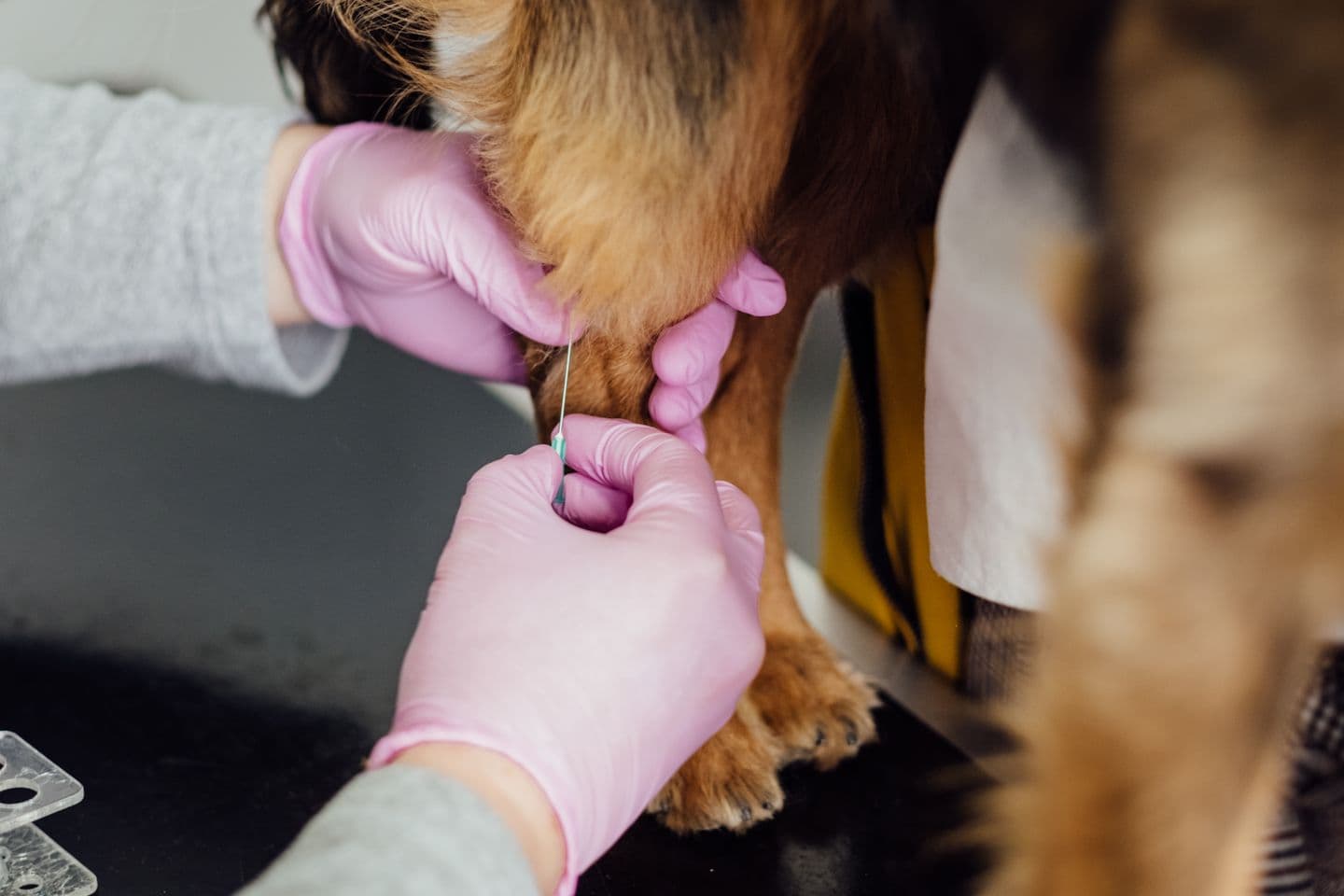
Heartworm disease is spread by a single mosquito bite, and given how common mosquitoes are across virtually all of India for most of the year, heartworm prevention deserves a permanent place on every
Heartworm disease is spread by a single mosquito bite, and given how common mosquitoes are across virtually all of India for most of the year, heartworm prevention deserves a permanent place on every dog owner's checklist rather than an occasional afterthought. The disease itself is serious and difficult to treat, but genuinely straightforward to prevent.
How Heartworm Disease Actually Spreads
When a mosquito bites a dog already infected with heartworm, it picks up microscopic larvae called microfilariae circulating in the bloodstream. Inside the mosquito, these larvae mature over about two weeks into an infective stage, ready to be transmitted the next time that mosquito bites another dog. Once inside a new host, the larvae migrate through the body over several months, eventually settling and maturing into adult worms in the heart and the major blood vessels of the lungs, where they can live for five to seven years, continuously reproducing and causing progressive damage. A single infected dog can harbour a surprising number of worms over time, sometimes dozens, which is part of why the disease causes such significant, cumulative damage to the heart and lungs if left unchecked.
Why Prevention Matters So Much
By the time a dog shows symptoms, coughing, reduced stamina, laboured breathing, weight loss, the disease is often already well established, since adult worms can accumulate silently for a long time before causing obvious illness. Treatment for an established infection is a multi-step, several-month process using an arsenic-based medication with real risks of its own, considerably more expensive and more stressful for the dog than straightforward monthly prevention.
How Preventive Medications Work
Heartworm preventives do not stop a dog from being bitten by an infected mosquito. Instead, they work retroactively each month, killing any larval-stage heartworms picked up over the preceding weeks before those larvae have a chance to mature into adult, harder-to-treat worms. This is why consistency matters enormously: a missed or significantly delayed dose creates a window in which larvae can mature past the point the medication can reliably kill them.
Common Forms of Prevention
Monthly oral chewable tablets, often combined with treatment for common intestinal worms, are widely used in India for their simplicity.
Monthly topical spot-on treatments, applied to the skin between the shoulder blades, offer an alternative for dogs who are difficult to medicate orally.
Longer-acting injectable preventives, given by a vet every six or twelve months, remove the risk of a missed monthly dose entirely, though availability varies by clinic and region.
Testing Before and During Prevention
Before starting any dog on heartworm prevention, a vet will typically test to confirm the dog is not already infected, since giving certain preventive medications to an already-infected dog can trigger a dangerous reaction. This is usually a simple blood test looking for adult heartworm antigen, though it is worth knowing that the test can return a false negative if performed too soon after infection, since it takes around six to seven months for the parasite to mature to a detectable stage. Annual testing is recommended even for dogs on consistent prevention, both to catch the rare breakthrough case and to confirm the prevention programme has been working as intended.
A Note for Indian Pet Parents
Because mosquitoes remain active essentially year round across most of India, unlike regions with a genuine winter pause in mosquito activity, heartworm prevention here is a true twelve-month commitment rather than a seasonal one. Skipping doses during cooler months is a common and risky mistake, since India's climate rarely gets cold enough for long enough to meaningfully interrupt mosquito activity.
Switching Between Product Types
If a household wants to switch from one heartworm preventive brand or form to another, whether moving from oral to topical or between manufacturers, this transition should be discussed with a vet rather than done independently, since dosing intervals and product-specific instructions can differ. A brief gap or overlap handled incorrectly during a switch is one of the more common, avoidable ways a dog ends up under-protected for a period.
Keeping a simple annual reminder, tied to a fixed date like a birthday or a specific festival, to revisit your dog's heartworm testing and prevention plan with your vet ensures this does not quietly slip during a busy year.
A simple annual habit like this is easy to maintain and genuinely protective over a dog's lifetime.
A brief, proactive check is rarely time wasted in the long run.
Common Questions
Can heartworm preventives also cover other parasites?
Yes, many combination products also treat or prevent intestinal worms, and some combine heartworm prevention with flea and tick control in a single monthly dose, which your vet can advise on based on your dog's specific risk profile.
What happens if I miss a monthly dose?
Contact your vet for guidance rather than simply resuming the schedule. Depending on how long the gap was, a heartworm test may be recommended before restarting prevention safely.
Is heartworm disease common in India?
Yes, it occurs across the country, and with mosquitoes active nearly year round, consistent prevention is considered essential rather than optional for dogs in most Indian regions.
Beyond the familiar Great Dane and Saint Bernard, a number of large, calm breeds carry the same gentle-giant temperament without quite the same name recognition. Most remain genuinely rare in India, b
A once-bouncy dog that suddenly seems flat, uninterested in walks, and withdrawn from the family is unsettling to watch, and the question that naturally follows is whether dogs can actually feel somet
A healthy dog isn't just a contented one; they're more playful, more energetic and more emotionally settled. As their owner, you're the biggest factor in how well your dog thrives, day in and day out.