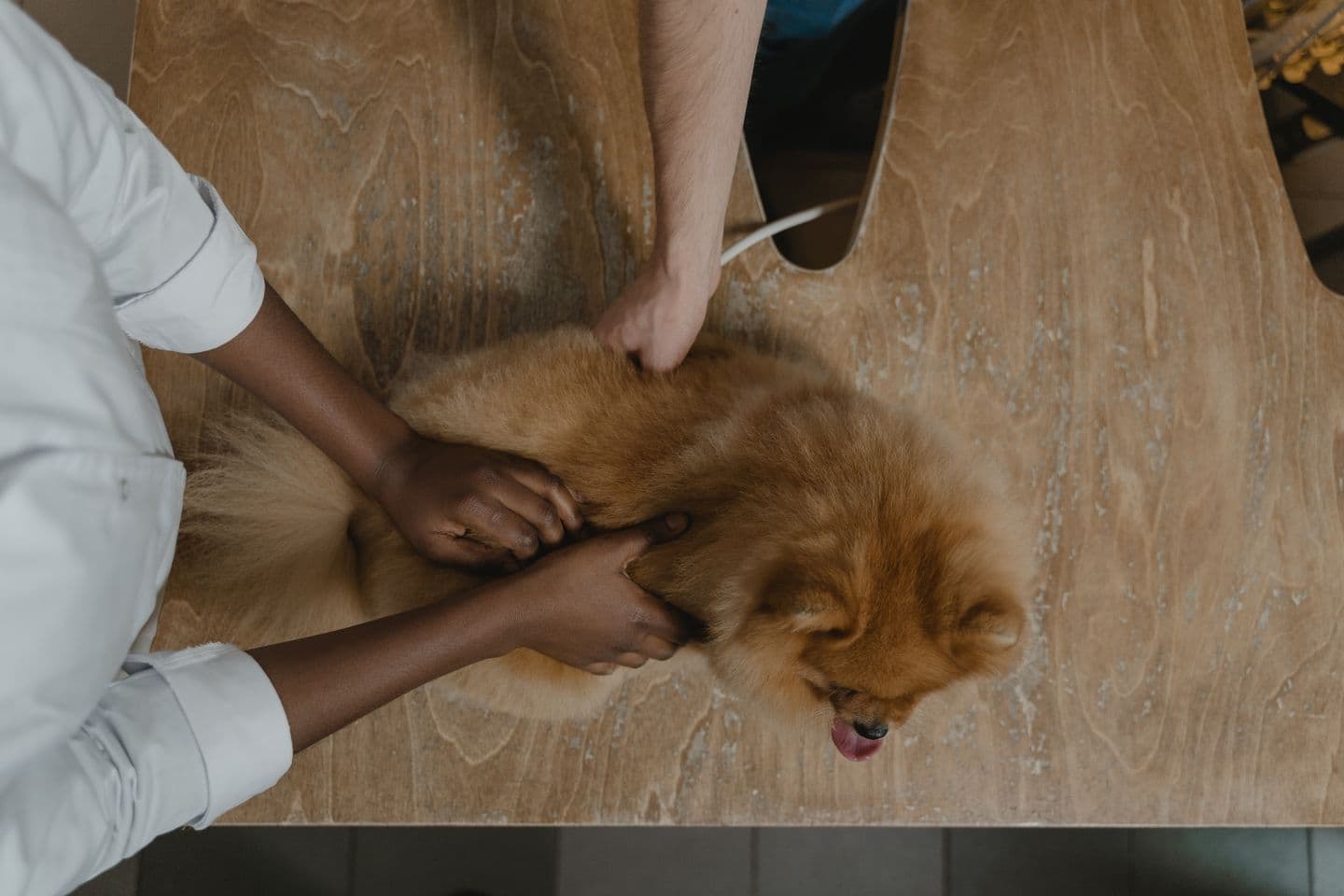
A loose tooth means different things depending on your dog's age. In a puppy, it is usually completely normal. In an adult dog, it is almost always a sign that something needs attention.
A loose tooth means different things depending on your dog's age. In a puppy, it is usually completely normal. In an adult dog, it is almost always a sign that something needs attention.
Puppies: nothing to worry about
Puppies lose their baby teeth between roughly three and six months of age, making way for permanent adult teeth. A wobbly tooth, mild gum irritation, or even a little blood on a chew toy during this window is expected. Most puppies handle this without any discomfort, though offering softer chew toys during the teething period can help.
Adult dogs: usually a sign of a problem
Once a dog has their full adult set, a loose tooth signals an underlying issue almost every time. Periodontal disease is the most common cause, where bacteria and plaque buildup gradually break down the ligaments and bone holding a tooth in place. Trauma from chewing hard objects, a fall, or a fight can also loosen a tooth suddenly. Less commonly, a loose tooth can point to an underlying autoimmune or metabolic condition affecting oral tissue.
What to watch for alongside the looseness
Bad breath, more noticeable or different than usual
Bleeding gums, or reluctance to chew on one side of the mouth
Visible tartar buildup or red, inflamed gum lines
Pawing at the mouth or dropping food while eating
What to actually do
A loose adult tooth needs a vet visit, not a wait-and-watch approach. Left untreated, periodontal disease can progress to painful infection, tooth loss, and in more advanced cases, has been linked to broader health effects as bacteria enter the bloodstream. Your vet will typically recommend a dental examination under anaesthesia, since a proper assessment of tooth stability and any infection beneath the gum line is not possible in an awake, moving dog.
Prevention going forward
Regular tooth brushing with dog-safe toothpaste, dental chews, and annual dental checkups meaningfully reduce the risk of periodontal disease. Many Indian pet parents skip dental care as a routine habit, it is worth treating it with the same seriousness as vaccination or deworming, since dental disease is genuinely one of the most common, and most preventable, health issues in adult dogs.
Diet's role in dental health
What your dog eats plays a genuine role in how quickly plaque and tartar build up around the gumline. Dry kibble generally creates less buildup than soft, wet food alone, though neither replaces proper brushing. Dental-specific diets, formulated with a texture designed to scrape the tooth surface as a dog chews, are worth discussing with your vet if your dog has a history of dental disease or is a breed particularly prone to it, small breeds especially, given how much tooth is packed into a compact jaw.
Yoast SEO Metadata
Tags: dog loose tooth, dog dental disease, periodontal disease dogs
Beyond the familiar Great Dane and Saint Bernard, a number of large, calm breeds carry the same gentle-giant temperament without quite the same name recognition. Most remain genuinely rare in India, b
A once-bouncy dog that suddenly seems flat, uninterested in walks, and withdrawn from the family is unsettling to watch, and the question that naturally follows is whether dogs can actually feel somet
A healthy dog isn't just a contented one; they're more playful, more energetic and more emotionally settled. As their owner, you're the biggest factor in how well your dog thrives, day in and day out.