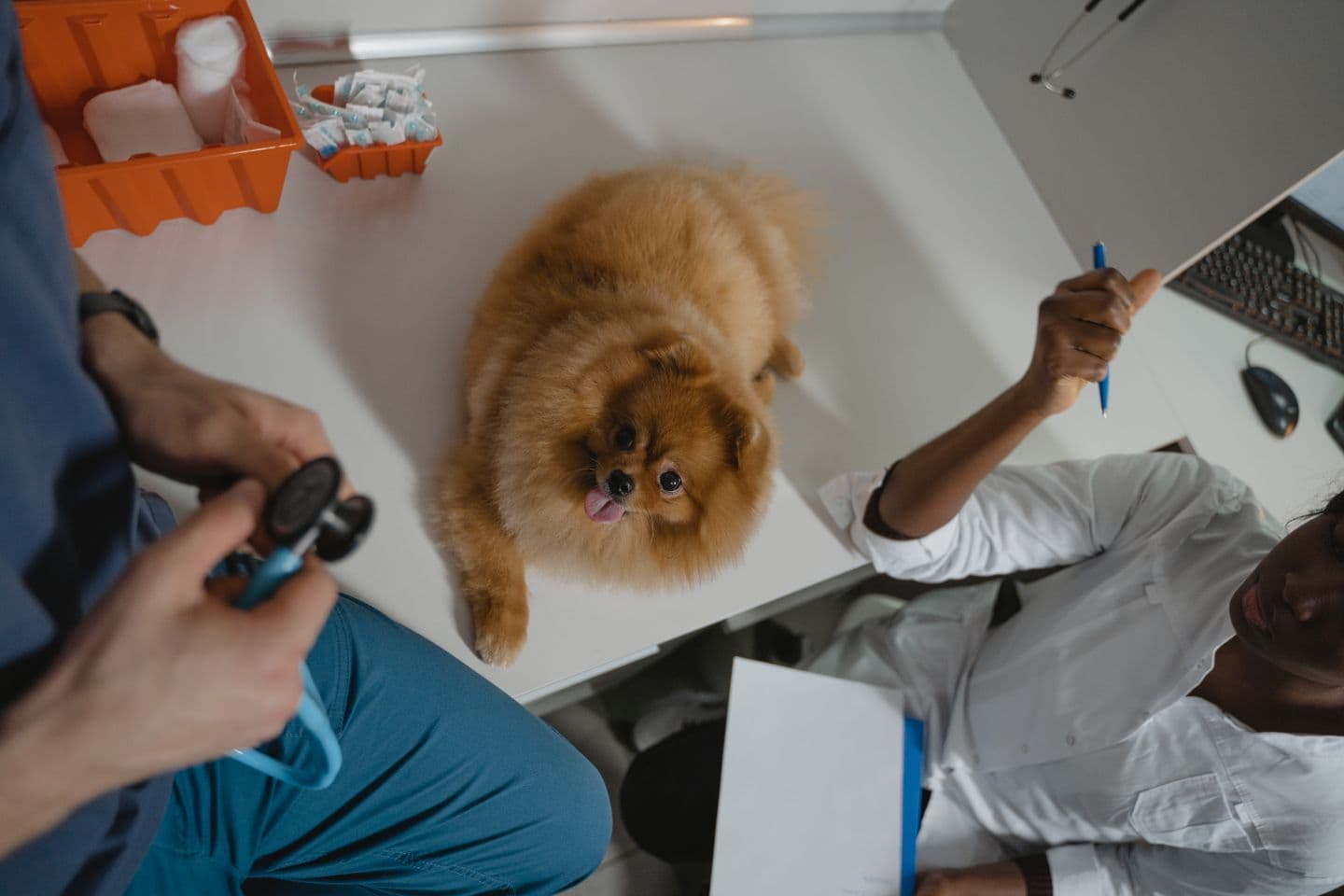
Pale gums are one of the clearest visual signals that something inside your dog's body needs urgent attention. Unlike many symptoms that can be watched for a day or two, pale gums are generally treate
Pale gums are one of the clearest visual signals that something inside your dog's body needs urgent attention. Unlike many symptoms that can be watched for a day or two, pale gums are generally treated as a same day, or same hour, concern.
What Pale Gums Indicate
Healthy gums are a light pink and return to colour within about two seconds after a gentle press, known as capillary refill. Pale, white, or greyish gums mean either reduced blood flow to the tissues or a drop in red blood cells, both of which point to a genuine problem happening somewhere in the body.
Common Causes
Anaemia, from blood loss, red blood cell destruction, or reduced production, which can stem from parasites, toxins, or autoimmune disease
Internal bleeding, including from trauma or a ruptured mass such as a splenic tumour
Shock, from severe trauma, dehydration, infection, or a severe allergic reaction
Heart disease, which reduces how efficiently blood circulates
Toxin exposure, including rodenticides that interfere with normal blood clotting
Signs That Often Accompany Pale Gums
Weakness or reluctance to move
Rapid breathing or laboured breathing
Rapid heart rate
Collapse or disorientation
Cold extremities
What to Do
If you notice pale, white, or grey gums, treat it as an emergency and get to a vet immediately rather than monitoring at home. There is no safe home treatment for the underlying causes of pale gums, and delay can allow a treatable condition to become life threatening. On the way, try to keep your dog calm and avoid unnecessary exertion.
What Happens at the Vet
Initial stabilisation may involve oxygen support and intravenous fluids while the underlying cause is investigated through blood tests and imaging. Depending on the diagnosis, treatment can range from medication and a blood transfusion to emergency surgery, particularly if internal bleeding or a ruptured mass is found.
Why Speed of Onset Matters
How quickly pale gums develop is itself a useful clue: a gradual change over days or weeks often points towards a slower process such as chronic blood loss from parasites, while a sudden change within minutes to hours is more typical of trauma, a ruptured mass, or acute shock. Either way the destination is the same, an urgent vet visit, but sharing the timeline with your vet helps them prioritise which tests to run first.
If you regularly check your dog's gums as part of a routine habit, you are far more likely to notice a gradual change early, before it becomes severe enough to be obvious at a glance. This is one of the clearest practical benefits of building gum checks into ordinary handling rather than only thinking of them during an active crisis.
Common Questions
Can dehydration alone cause pale gums?
Mild dehydration can cause gums to look a little duller or drier, but true, distinctly pale or white gums usually indicate something more significant than dehydration alone, and should still prompt a same day vet visit to be safe.
What should I do while driving to the emergency vet?
Keep your dog as still and calm as possible, avoid offering food or water unless instructed, and if you can, call ahead so the clinic can prepare for your arrival. Every extra minute of preparation can help once you arrive.
This article is for general awareness and does not replace veterinary advice. If your dog is unwell, consult a veterinarian promptly.
Beyond the familiar Great Dane and Saint Bernard, a number of large, calm breeds carry the same gentle-giant temperament without quite the same name recognition. Most remain genuinely rare in India, b
A once-bouncy dog that suddenly seems flat, uninterested in walks, and withdrawn from the family is unsettling to watch, and the question that naturally follows is whether dogs can actually feel somet
A healthy dog isn't just a contented one; they're more playful, more energetic and more emotionally settled. As their owner, you're the biggest factor in how well your dog thrives, day in and day out.