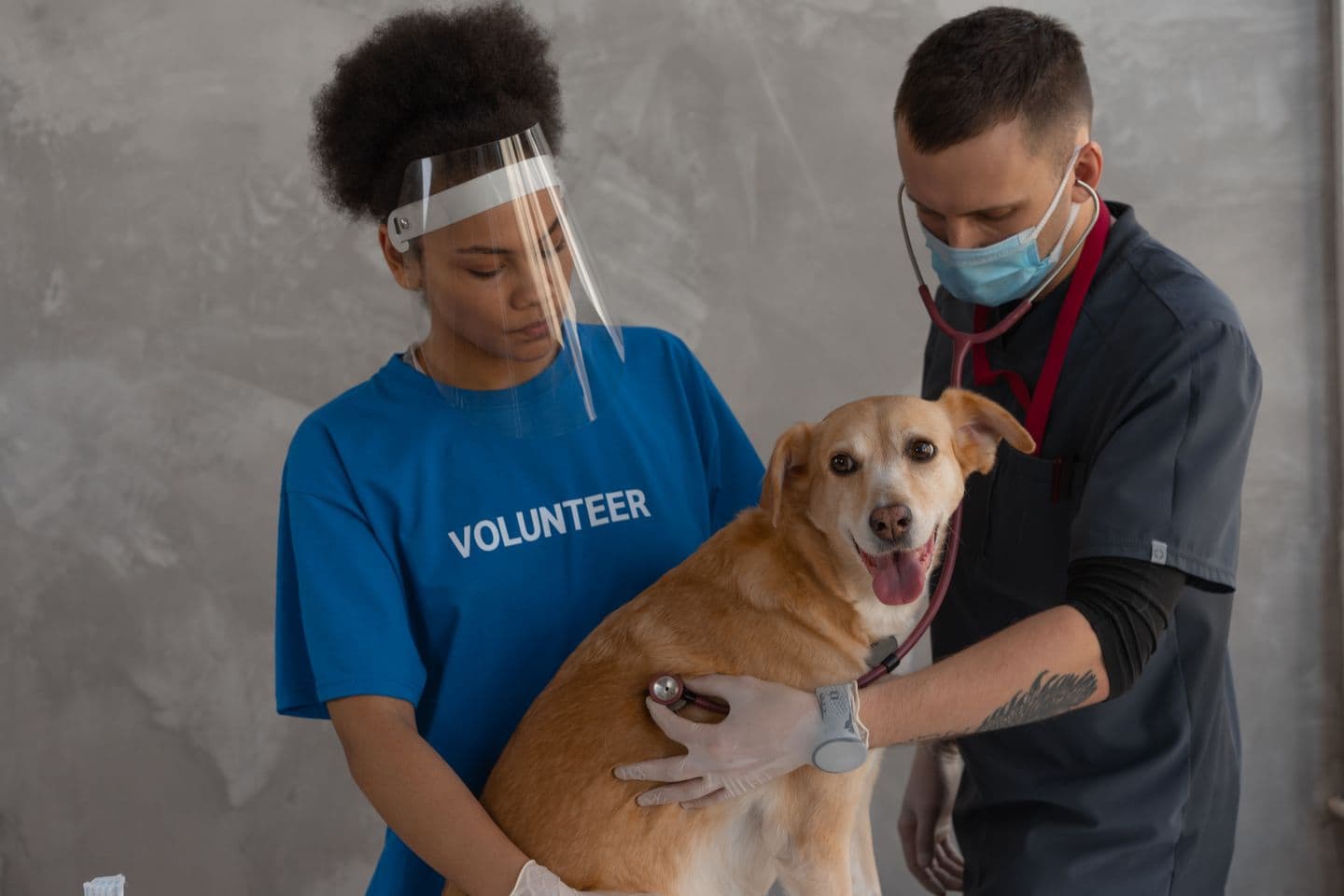
A dog that seems to be breathing harder than usual, coughing persistently, or generally unwell with a fever can be dealing with pneumonia, an infection or inflammation of the lungs that ranges from ma
A dog that seems to be breathing harder than usual, coughing persistently, or generally unwell with a fever can be dealing with pneumonia, an infection or inflammation of the lungs that ranges from manageable to genuinely serious depending on the cause and how quickly it is treated. Understanding the different ways dogs develop pneumonia helps explain why some cases resolve quickly while others need intensive hospital care.
How Dogs Develop Pneumonia
Bacterial pneumonia can develop as a primary infection or, quite commonly, as a complication following another respiratory illness such as kennel cough that was not fully treated. Aspiration pneumonia, a distinct and often more serious form, occurs when foreign material, usually vomit, regurgitated food, or occasionally water, is inhaled into the lungs rather than swallowed normally. This is more likely in dogs who vomit or regurgitate frequently, brachycephalic or flat-faced breeds, dogs recovering from anaesthesia, and those with swallowing difficulties or an enlarged oesophagus.
Recognising the Signs
A persistent cough, sometimes producing mucus or foam.
Laboured or rapid breathing, sometimes with an extended neck posture to ease airflow.
Fever, lethargy and a marked drop in appetite.
Reluctance to lie down, since breathing can feel easier while sitting or standing upright.
In severe cases, blue-tinged or very pale gums, indicating dangerously low oxygen levels, which is a genuine emergency.
Diagnosis
A vet will typically listen to the chest for abnormal lung sounds, take chest X-rays to confirm the presence and pattern of pneumonia, and run bloodwork to assess the severity of infection and overall health. In more complex or non-responsive cases, a tracheal wash may be taken to identify the specific bacteria involved, which helps guide antibiotic selection more precisely.
Treatment
Mild cases may be manageable on an outpatient basis with oral antibiotics, rest, and close monitoring at home. More severe cases, particularly aspiration pneumonia with significant breathing difficulty, generally need hospitalisation, where a dog can receive oxygen support, intravenous fluids, and injectable antibiotics under close observation. Treatment courses typically run from two to eight weeks depending on severity, and it is essential to complete the full course even once the dog appears to be feeling better, since stopping early risks the infection returning, sometimes in a harder-to-treat form.
Supporting Recovery at Home
Follow the antibiotic course exactly as prescribed, right through to the end, even if your dog seems fully recovered partway through.
Keep exercise minimal during recovery, since exertion places extra demand on already compromised lungs.
A humidified environment, such as sitting with your dog in a steamy bathroom for a few minutes, can help loosen mucus and ease coughing.
Watch closely for any regression, worsening breathing, renewed lethargy or fever, and contact your vet promptly if these appear.
Recognising Aspiration Risk Situations
Dogs who vomit frequently, brachycephalic breeds, and any dog recovering from recent sedation or anaesthesia are at meaningfully higher risk of aspiration pneumonia specifically, since these situations increase the chance of material being inhaled rather than swallowed normally. Being aware of this raised risk in these particular circumstances, and watching a little more closely for coughing or laboured breathing in the days that follow, allows for earlier detection if aspiration pneumonia does develop.
For brachycephalic breeds specifically, discussing feeding posture and speed with your vet, since gulping food quickly increases regurgitation risk, is a proactive step worth taking even before any signs of aspiration pneumonia have appeared.
A little extra caution in these specific situations goes a long way towards avoiding a preventable complication.
A little planning ahead consistently beats scrambling after the fact.
Common Questions
Can kennel cough turn into pneumonia?
It can, particularly if kennel cough is left untreated or a dog's immune system is compromised, which is one reason a persistent or worsening cough should always be reassessed by a vet rather than assumed to be resolving on its own.
Is pneumonia contagious between dogs?
Bacterial pneumonia arising from an underlying contagious respiratory infection can potentially spread, so keeping an affected dog away from others during treatment is sensible, though aspiration pneumonia itself is not contagious.
How long does recovery from pneumonia typically take?
Mild cases may resolve within a couple of weeks of treatment, while more severe cases, especially those requiring hospitalisation, can take a month or more for full recovery, with exercise restrictions continuing for some time after symptoms clear.
Beyond the familiar Great Dane and Saint Bernard, a number of large, calm breeds carry the same gentle-giant temperament without quite the same name recognition. Most remain genuinely rare in India, b
A once-bouncy dog that suddenly seems flat, uninterested in walks, and withdrawn from the family is unsettling to watch, and the question that naturally follows is whether dogs can actually feel somet
A healthy dog isn't just a contented one; they're more playful, more energetic and more emotionally settled. As their owner, you're the biggest factor in how well your dog thrives, day in and day out.