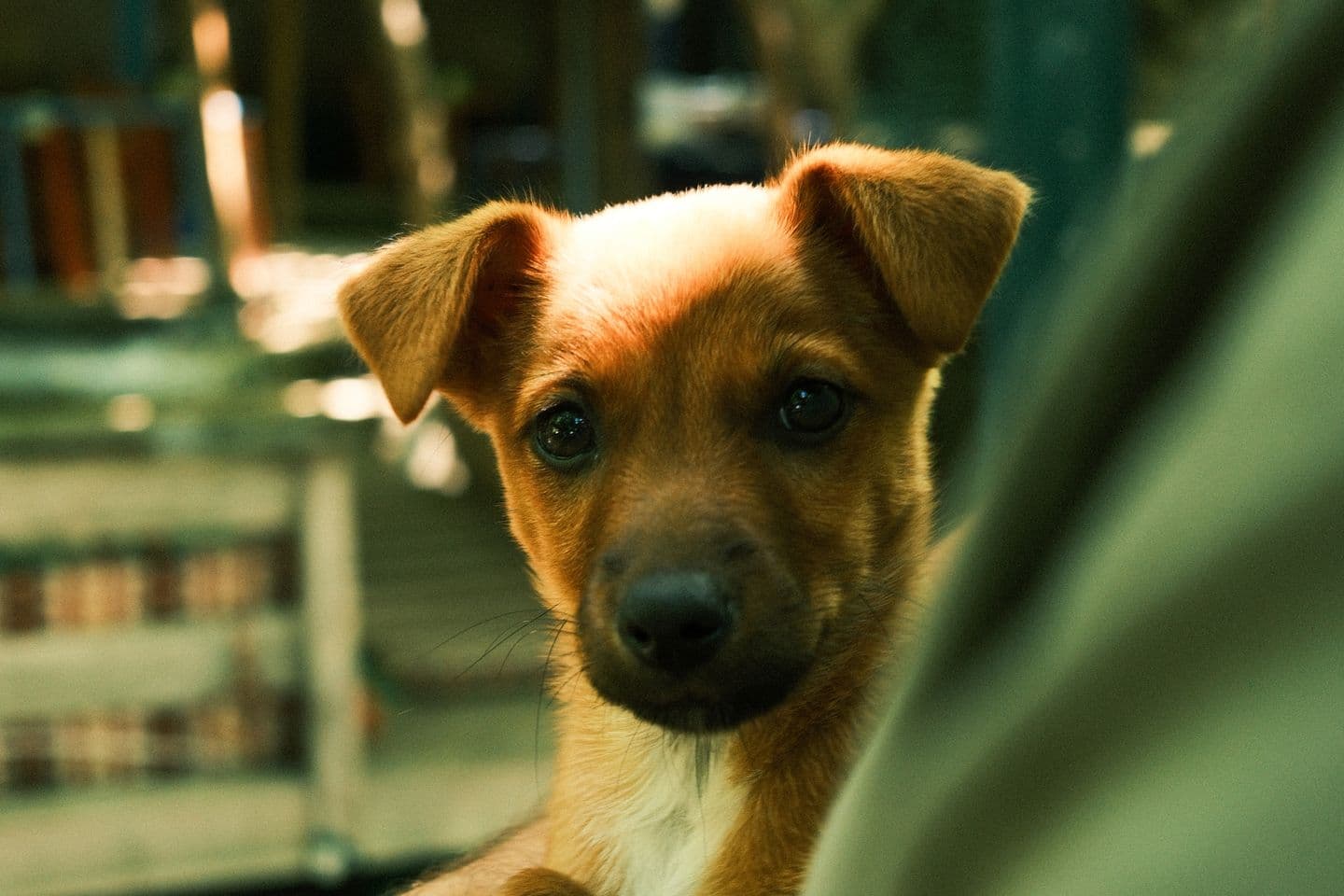
Puppy Diarrhoea: Working Out What Is Serious and What Will Pass
Loose stools are one of the most common reasons puppies end up at the vet, and for good reason, a puppy's digestive and immune systems are still under construction, making them far more vulnerable to
Loose stools are one of the most common reasons puppies end up at the vet, and for good reason, a puppy's digestive and immune systems are still under construction, making them far more vulnerable to dehydration and serious illness than an adult dog with the same symptom.
Common, less worrying causes
A recent food change, especially if switched too quickly rather than gradually over about a week
Overeating or getting into something they should not have, from garbage to a fallen chapati
Stress, from a house move, loud festival noise, or a new family member
Mild reaction to a recent deworming dose, which can temporarily loosen stool
Causes that need a vet, not just patience
Intestinal parasites such as roundworms, hookworms, whipworms, coccidia and giardia, all common in puppies and requiring specific medication
Bacterial infections including salmonella and E. coli, often from contaminated water or spoiled food
Parvovirus and distemper, both potentially fatal and a genuine risk for under vaccinated puppies given India's large community dog population
Ingested toxins or foreign objects
What is normal to try at home first
If a puppy is otherwise bright, playful, drinking water and eating normally, with just one or two loose stools, many vets are comfortable with a short period of home monitoring. Offering a bland diet of boiled, unseasoned chicken and plain white rice for a day or two, alongside plenty of fresh water, is the standard first step, alongside withholding treats and any rich or fatty food during this window.
When to stop waiting and call the vet
Diarrhoea lasting more than twenty four hours without improvement
Blood in the stool, or stool that looks black and tarry
Vomiting alongside the diarrhoea
Lethargy, refusal to eat, or a swollen, painful abdomen
Any puppy under vaccination age with sudden, severe diarrhoea, this combination should be treated as an emergency rather than a wait and watch situation
Why dehydration happens faster in puppies
A puppy's small body simply has less fluid reserve to draw on than an adult dog, so what looks like a manageable case of loose stools in a large adult dog can become dangerous in a puppy within a day. Watching for dry, tacky gums, sunken looking eyes, or noticeable lethargy alongside the diarrhoea are useful early signs of dehydration setting in, and any of these warrant a same day vet visit rather than waiting out the standard twenty four hour window.
Beyond the familiar Great Dane and Saint Bernard, a number of large, calm breeds carry the same gentle-giant temperament without quite the same name recognition. Most remain genuinely rare in India, b
A once-bouncy dog that suddenly seems flat, uninterested in walks, and withdrawn from the family is unsettling to watch, and the question that naturally follows is whether dogs can actually feel somet
A healthy dog isn't just a contented one; they're more playful, more energetic and more emotionally settled. As their owner, you're the biggest factor in how well your dog thrives, day in and day out.