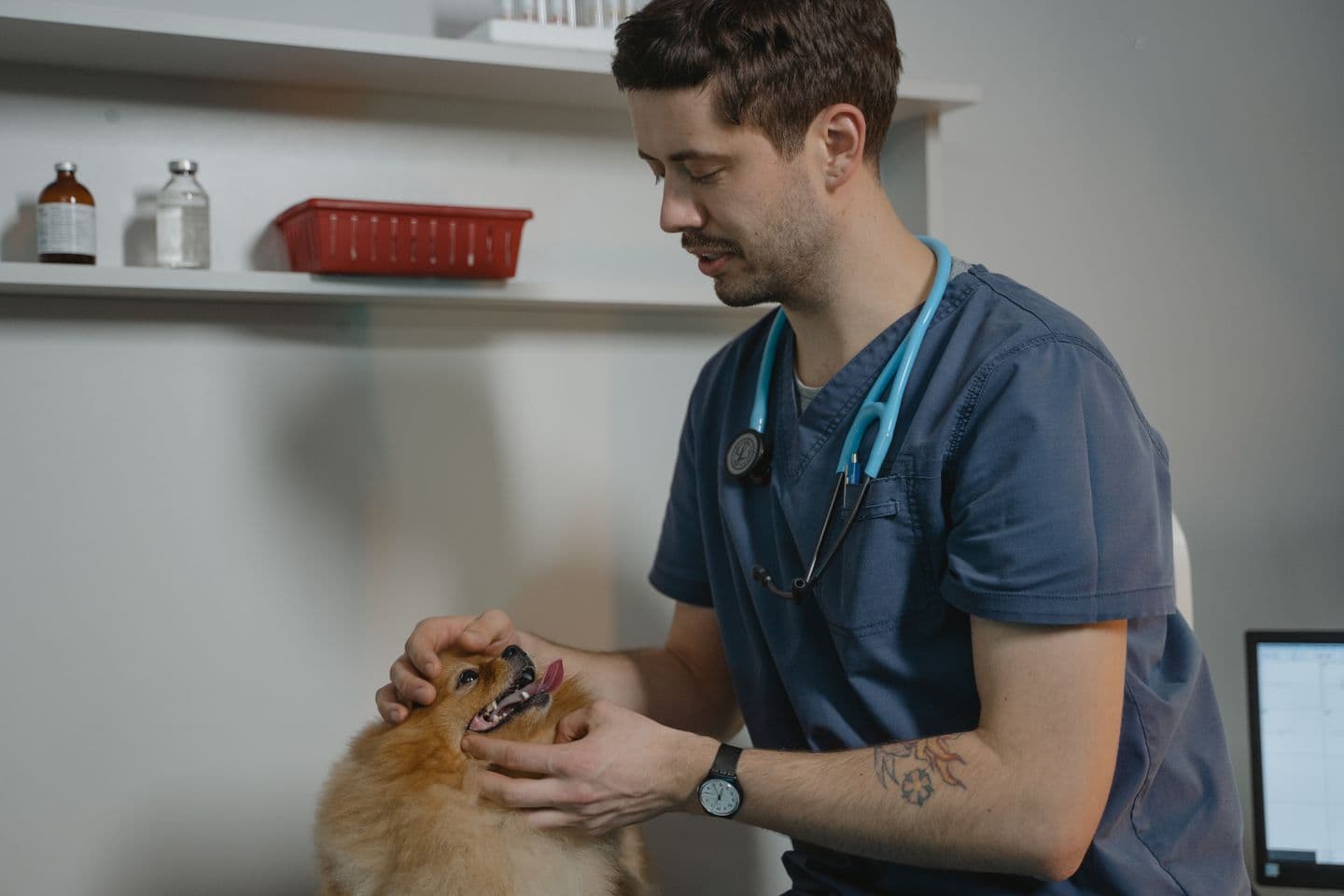
Finding a new lump on a dog, especially one that seems to have appeared overnight, is enough to unsettle any pet parent, and the word 'tumour' understandably brings cancer to mind first. A histiocytom
Finding a new lump on a dog, especially one that seems to have appeared overnight, is enough to unsettle any pet parent, and the word 'tumour' understandably brings cancer to mind first. A histiocytoma, however, is one of the more reassuring findings a vet can give, a common, entirely benign skin growth that in most cases resolves on its own without any treatment at all.
What a Histiocytoma Looks Like
A histiocytoma typically appears as a small, firm, dome-shaped red or pink bump, often under a centimetre across initially, with a smooth surface that can occasionally look slightly raw or ulcerated. It tends to grow quite quickly over its first few weeks, sometimes reaching two to four centimetres before it stabilises. Most are found on the head, ears or limbs, and they most commonly affect young dogs under two or three years old, though they can occur at any age.
What Causes Them
Histiocytomas develop from a type of immune cell called a Langerhans cell, and the exact trigger for their growth is not fully understood, though a degree of immune system dysregulation is thought to play a role. Boxers, Bulldogs and Flat-Coated Retrievers appear to be somewhat more prone to them than other breeds, which suggests some genetic component, though any breed, including India's many mixed-breed and indigenous dogs, can develop one.
Why They Usually Resolve on Their Own
A histiocytoma is essentially the body's immune system reacting to and eventually clearing an abnormal but harmless cluster of its own cells. Within a few weeks of first appearing, the growth typically begins to shrink as the immune system mounts a response against it, and most histiocytomas disappear entirely within two to three months without any medical intervention. This spontaneous resolution is actually one of the more distinctive features that helps a vet feel confident in the diagnosis.
Confirming the Diagnosis
Because several other, more serious types of skin growth can look similar to a histiocytoma on the surface, most notably mast cell tumours, which can appear as an almost identical red, raised bump but behave very differently, a vet will usually want to confirm the diagnosis before simply monitoring it. This is typically done with a fine needle aspirate, a quick, minimally uncomfortable procedure where a small needle collects a sample of cells for examination under a microscope. Getting this confirmation matters, since assuming a lump is harmless without checking is a risk not worth taking, even when the appearance is classic.
When Treatment Is Needed
If the growth is in a location where it gets repeatedly irritated, licked or scratched, leading to bleeding or infection, removal may be recommended rather than waiting it out.
If it has not resolved within about three months, a vet may reassess and consider surgical removal.
If the growth changes character significantly, grows unusually large, or new lumps appear elsewhere, further investigation is warranted to rule out a different, less benign condition.
An Elizabethan collar can help stop a dog from irritating the area through licking or scratching while the body works to clear it.
Photographing and Tracking Changes
Taking a dated photo of any new lump, including a histiocytoma, alongside a coin or familiar object for scale, makes it far easier to track whether it is genuinely shrinking over the following weeks as expected, rather than relying on memory. This simple habit also gives a vet useful before-and-after context at a follow-up visit, and it can help an owner feel more confident and less anxious while watching a confirmed histiocytoma resolve on its own.
Sharing a photo of a confirmed histiocytoma with family members or a dog walker who may also notice the lump can help avoid unnecessary alarm or, conversely, premature dismissal of a genuinely new growth that appears somewhere else on the body later on.
A calm, observant approach usually serves both dog and owner better than reacting to every new lump with alarm.
Small, deliberate choices like this add up meaningfully over time.
Common Questions
Is a histiocytoma painful for my dog?
Generally not, though the area can become itchy or irritated as it heals, particularly if the dog is licking or scratching at it, which can occasionally lead to bleeding or a minor secondary infection.
Can histiocytomas come back after they disappear?
It is uncommon for the same growth to return once it has fully regressed, and it is rare, though possible, for a dog to develop a new one at a different site later in life.
Should I remove a histiocytoma even if it isn't bothering my dog?
Not necessarily. If it is confirmed as a histiocytoma and isn't causing irritation, many vets are comfortable simply monitoring it as it resolves on its own, though this should be a joint decision with your vet.
Beyond the familiar Great Dane and Saint Bernard, a number of large, calm breeds carry the same gentle-giant temperament without quite the same name recognition. Most remain genuinely rare in India, b
A once-bouncy dog that suddenly seems flat, uninterested in walks, and withdrawn from the family is unsettling to watch, and the question that naturally follows is whether dogs can actually feel somet
A healthy dog isn't just a contented one; they're more playful, more energetic and more emotionally settled. As their owner, you're the biggest factor in how well your dog thrives, day in and day out.