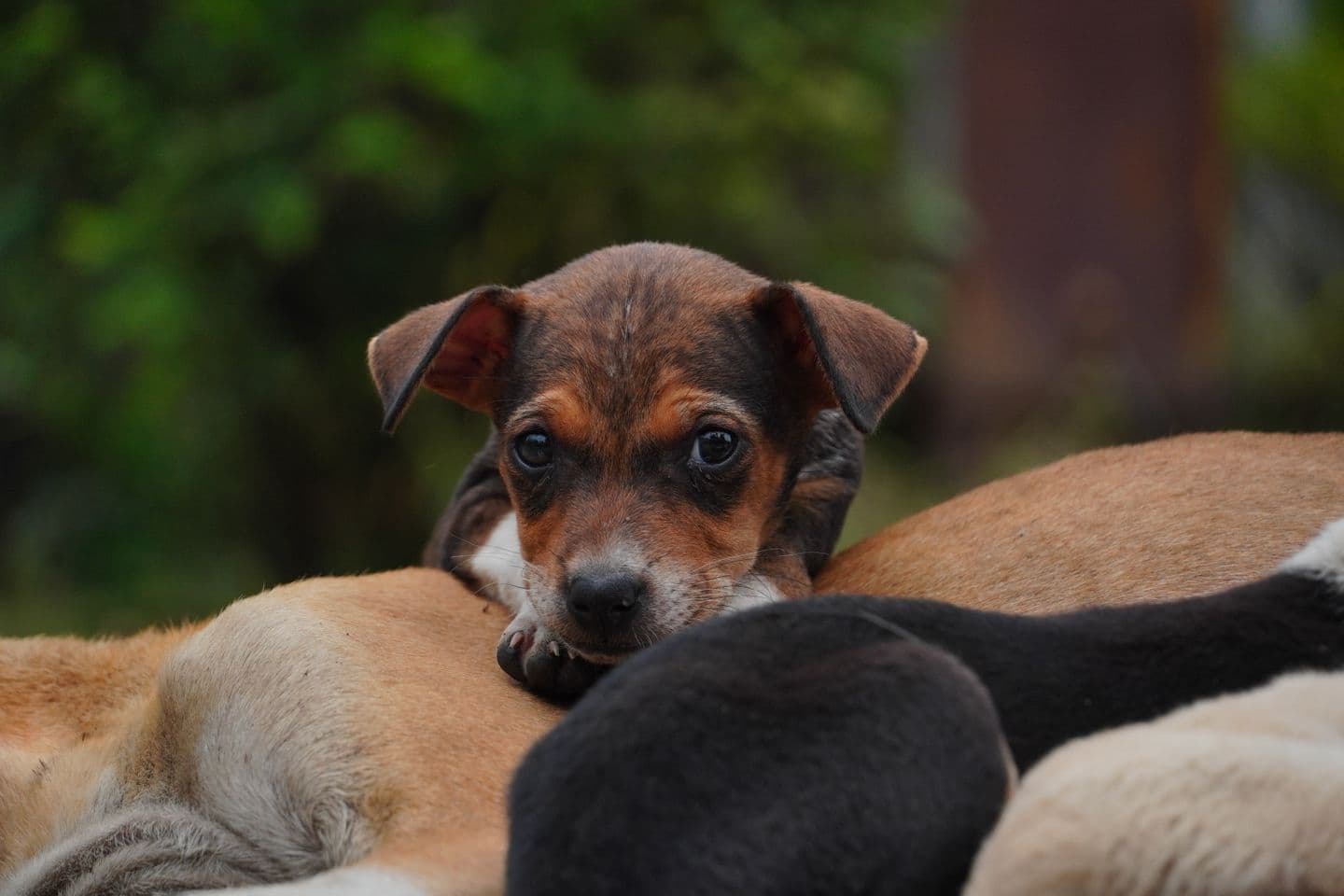
Puppies dehydrate faster than adult dogs, since their smaller bodies have less fluid reserve to begin with. Recognising the early signs and knowing simple checks you can do at home makes a real differ
Puppies dehydrate faster than adult dogs, since their smaller bodies have less fluid reserve to begin with. Recognising the early signs and knowing simple checks you can do at home makes a real difference, particularly during hot Indian summers.
Common Causes
Vomiting or diarrhoea, which cause rapid fluid loss, especially dangerous in combination
Not drinking enough water, whether from illness, stress, or simply not having easy access
Heat exposure, a genuine risk during Indian summers, particularly for puppies left in poorly ventilated spaces
Fever, which increases fluid loss through the body
Intestinal parasites, which can cause diarrhoea severe enough to lead to dehydration
How to Check at Home
The skin tent test is a simple, useful check. Gently lift the loose skin between your puppy's shoulder blades and let go. In a well hydrated puppy, the skin should spring back into place almost instantly. If it returns slowly, or stays tented, this suggests dehydration, with the speed of return roughly indicating severity. Also check the gums: they should feel moist and glossy, not dry or tacky, and should return to pink within about two seconds after a gentle press.
Other Signs to Watch For
Reduced energy or unusual lethargy
Sunken looking eyes
Dry nose and dry, tacky gums
Loss of appetite
Reduced urination or noticeably darker urine
Why Puppies Are More Vulnerable
Puppies have a higher proportion of body water relative to their size compared to adult dogs, and their smaller reserves are used up more quickly during illness, heat, or fluid loss from vomiting and diarrhoea. This is one reason vets treat any puppy with persistent vomiting or diarrhoea more urgently than they would the same symptoms in a healthy adult dog.
What to Do for Mild Dehydration
Offer small amounts of fresh, cool water frequently rather than a large bowl all at once, which can cause vomiting if gulped
Move your puppy to a cool, shaded, well ventilated space during hot weather
Contact your vet promptly if dehydration is linked to ongoing vomiting or diarrhoea, since the underlying cause needs treatment too
Ask your vet about a pet specific oral rehydration solution for mild cases, rather than human sports drinks, which contain sugar and electrolyte levels not suited to a puppy's needs
When to Seek Immediate Veterinary Care
Moderate to severe dehydration, signalled by skin that stays tented, sunken eyes, marked lethargy, or an inability to keep water down, needs prompt veterinary attention, often including fluids given under the skin or intravenously. Do not wait if a puppy has had persistent vomiting or diarrhoea for more than a few hours, since puppies can decline rapidly.
Travel and Vet Visit Preparation
Puppies can dehydrate surprisingly quickly during a hot car journey to the vet, ironically the very trip meant to help them, so keeping the car cool, offering small sips of water before departure, and avoiding leaving a puppy in a parked car even briefly are all worth building into your routine from the very first vet visits, not just during an active health scare.
Carrying a small collapsible water bowl and a bottle of fresh water on any outing longer than a short walk, even to routine appointments, means you are always prepared to offer water the moment your puppy seems thirsty or the weather turns unexpectedly warm.
New puppy owners sometimes underestimate just how much smaller a puppy's fluid reserves are compared to an adult dog of the same breed, so erring on the side of offering water more often than seems necessary during the first few months is a sensible default until you learn your individual puppy's normal habits.
Common Questions
Is the skin tent test reliable in very young or very thin puppies?
It can be less reliable in puppies with looser skin or very little body fat, so it is best used alongside other signs like gum moisture, energy level, and urination rather than as a single stand alone test.
How quickly can a puppy become dangerously dehydrated?
It can happen within just a matter of hours if vomiting and diarrhoea occur together, particularly in hot weather. This rapid potential decline is exactly why prompt veterinary attention is recommended rather than a lengthy wait and watch approach in puppies.
This article is for general awareness and does not replace veterinary advice. If your dog is unwell, consult a veterinarian promptly.
Beyond the familiar Great Dane and Saint Bernard, a number of large, calm breeds carry the same gentle-giant temperament without quite the same name recognition. Most remain genuinely rare in India, b
A once-bouncy dog that suddenly seems flat, uninterested in walks, and withdrawn from the family is unsettling to watch, and the question that naturally follows is whether dogs can actually feel somet
A healthy dog isn't just a contented one; they're more playful, more energetic and more emotionally settled. As their owner, you're the biggest factor in how well your dog thrives, day in and day out.