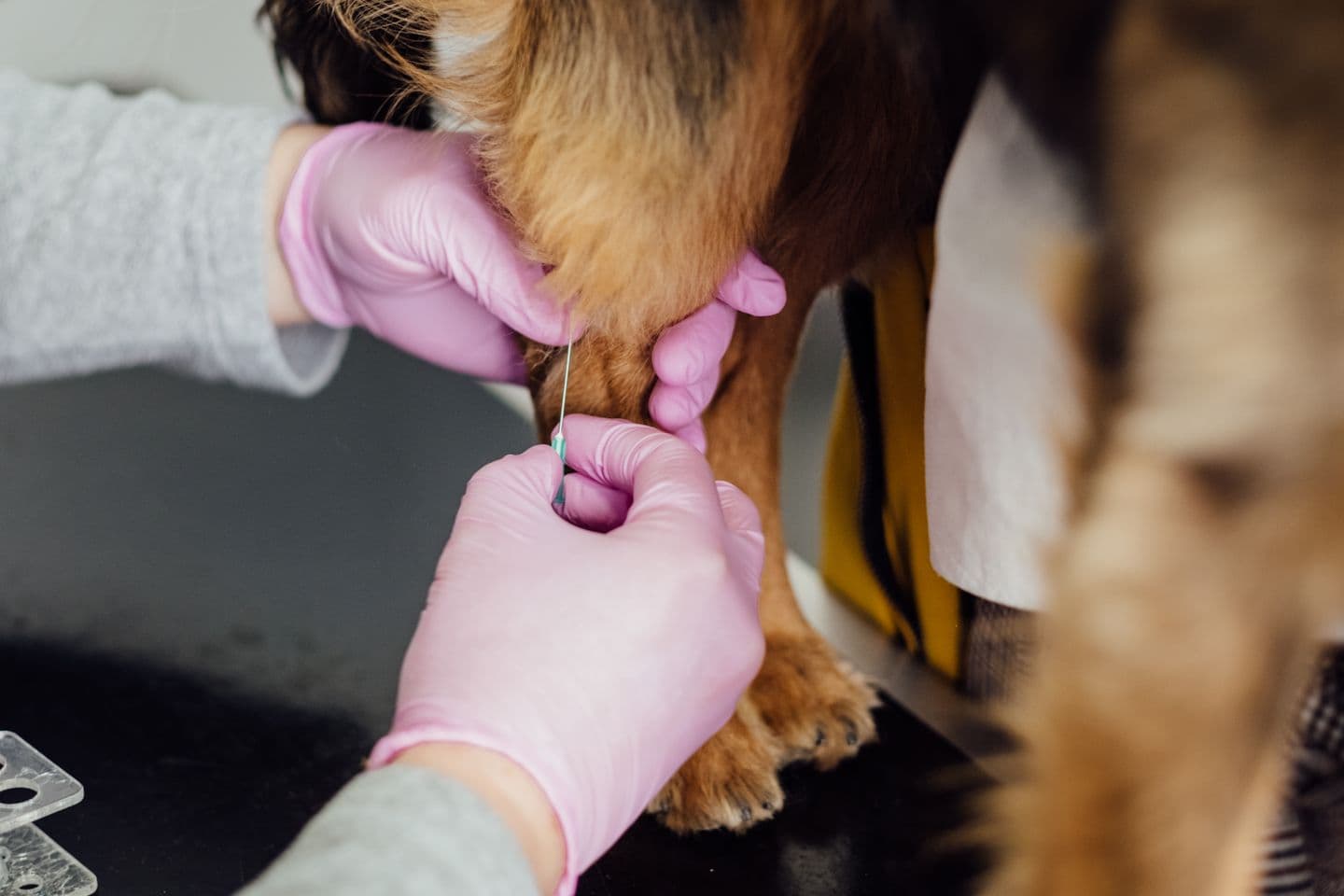
Poisoning in dogs can look like a dozen different things depending on what was ingested, which makes it one of the trickier emergencies to recognise quickly. Knowing the broad categories of symptoms,
Poisoning in dogs can look like a dozen different things depending on what was ingested, which makes it one of the trickier emergencies to recognise quickly. Knowing the broad categories of symptoms, and understanding that a sudden, unexplained change in your dog's behaviour or condition deserves prompt attention, can save valuable time.
Digestive signs
Sudden vomiting, sometimes repeated
Diarrhoea, which may contain blood
Drooling more than usual
Loss of appetite
Abdominal pain, often shown as a hunched posture or reluctance to be touched on the belly
Neurological signs
Wobbliness, disorientation or stumbling
Tremors or muscle twitching
Seizures
Unusual agitation, restlessness or, at the other extreme, sudden lethargy
Dilated pupils
Breathing and heart signs
Rapid or laboured breathing
Coughing
An unusually fast, slow or irregular heartbeat
Pale, bluish or yellowish (jaundiced) gums
Other signs to watch for
Excessive thirst and urination, or conversely, little to no urination
Bruising or unexplained bleeding from the gums, nose or in urine or stool
Skin redness, burns or irritation, especially around the mouth
Sudden collapse
Why the timeline matters
Some poisons, like chocolate or many household chemicals, cause symptoms within a couple of hours. Others, like rat poison or grapes, can take a day or more to show visible signs while serious internal damage is already underway. This is why any known or strongly suspected ingestion of something toxic warrants a call to the vet immediately, rather than waiting to see whether symptoms develop.
What to do if you notice these signs
Try to work out what your dog may have got into in the hour or so before symptoms started, walking back through the house, garden or the route of a recent walk. Note the time symptoms began and how they have progressed. Call your vet with this information rather than searching for reassurance online, since an accurate picture of timing and possible exposure often matters more to treatment than the specific symptom itself. When in doubt, especially with dogs that roam gardens, terraces or streets where they may access unknown substances, it is always safer to have them checked than to wait and hope it passes.
Beyond the familiar Great Dane and Saint Bernard, a number of large, calm breeds carry the same gentle-giant temperament without quite the same name recognition. Most remain genuinely rare in India, b
A once-bouncy dog that suddenly seems flat, uninterested in walks, and withdrawn from the family is unsettling to watch, and the question that naturally follows is whether dogs can actually feel somet
A healthy dog isn't just a contented one; they're more playful, more energetic and more emotionally settled. As their owner, you're the biggest factor in how well your dog thrives, day in and day out.