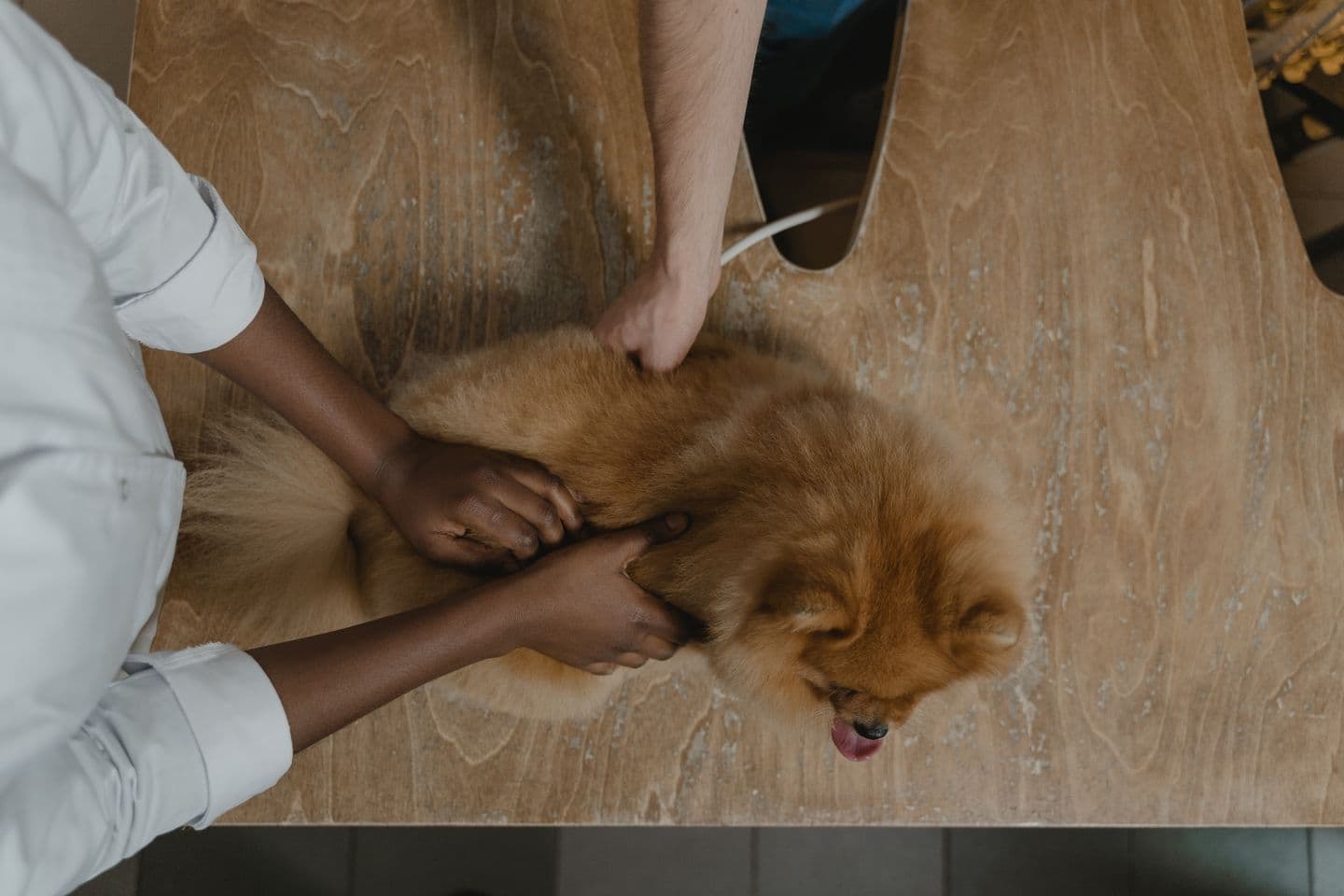
Dogs are remarkably good at masking illness, a trait inherited from their wild ancestors, for whom looking vulnerable was a real risk. This means that by the time obvious symptoms appear, an underlyin
Dogs are remarkably good at masking illness, a trait inherited from their wild ancestors, for whom looking vulnerable was a real risk. This means that by the time obvious symptoms appear, an underlying issue may have been developing for a while, making it worth knowing the subtler signs as well as the dramatic ones.
Behavioural Signs
Reduced activity, reluctance to play, or excessive sleeping beyond your dog's normal pattern
Withdrawal or hiding, particularly in a dog that is usually social
Uncharacteristic irritability, snapping, or aggression, especially if it centres around a specific body area
Restlessness, pacing, or an inability to settle
Physical Signs
Vomiting or diarrhoea, especially if repeated or combined with other symptoms
A change in appetite, either eating noticeably less or, sometimes, unusually more
Unexplained weight loss or gain
Increased thirst or urination
Coughing, wheezing, or laboured breathing
Bad breath that appears suddenly or worsens noticeably
Changes in coat quality, such as dullness, excessive shedding, or dry, flaky skin
Stiffness, limping, or difficulty with stairs or getting up
Putting It Together
A single mild sign, like slightly reduced energy after a long day, is rarely cause for alarm on its own. It is the combination and persistence of signs that matters most: two or more changes together, or any single change lasting beyond 24 to 48 hours, is a reasonable trigger to book a vet visit rather than wait it out.
What to Do at Home in the Meantime
Keep a simple note of what you have observed and when it started, since this is genuinely useful information for your vet
Ensure fresh water is always available, and encourage small sips if your dog seems reluctant to drink
Provide a calm, quiet space to rest, minimising stress and loud activity
Avoid switching foods or trying new treatments without guidance, since this can complicate diagnosis later
When to Treat It as an Emergency
Difficulty breathing, collapse, repeated vomiting, a bloated abdomen, pale or blue gums, seizures, or suspected toxin ingestion should never wait for a routine appointment. These situations call for immediate emergency veterinary care.
The Value of Routine Check Ups
Annual wellness visits, or six monthly visits once your dog reaches senior age, give a vet the chance to catch subtle changes before they become obvious symptoms, through hands on examination and baseline blood work that you simply cannot replicate at home.
Involving the Whole Family in Observation
In households where several people share dog care duties, small changes are sometimes missed simply because no single person sees the dog across the full day. A shared note, whether a physical notepad by the door or a simple phone note everyone can add to, helps piece together a fuller picture of appetite, energy, and bathroom habits than any one person would notice alone.
This shared approach is especially valuable in joint family households or homes with domestic help who spend significant daytime hours with the dog, since their observations during the working day can fill in gaps that the primary owner, often away at work, would otherwise miss entirely.
A simple weekly ritual, such as a five minute head to tail check every Sunday covering weight, coat, ears, and general demeanour, builds a habit of noticing your dog properly rather than only reacting once something already seems clearly wrong.
Common Questions
Is it normal for older dogs to just 'slow down' without it meaning illness?
Some gradual slowing is expected with age, but a sudden or significant drop in energy is not something to attribute to ageing alone. It is always worth a vet visit to rule out a treatable cause rather than assuming it is simply old age.
My dog seems fine but I noticed one odd symptom. Should I still call the vet?
A single, mild, isolated symptom in a dog who is otherwise eating, drinking, and behaving normally can often be watched for a day. If it persists, worsens, or a second symptom appears, that is the point to make the call rather than continuing to wait.
This article is for general awareness and does not replace veterinary advice. If your dog is unwell, consult a veterinarian promptly.
Beyond the familiar Great Dane and Saint Bernard, a number of large, calm breeds carry the same gentle-giant temperament without quite the same name recognition. Most remain genuinely rare in India, b
A once-bouncy dog that suddenly seems flat, uninterested in walks, and withdrawn from the family is unsettling to watch, and the question that naturally follows is whether dogs can actually feel somet
A healthy dog isn't just a contented one; they're more playful, more energetic and more emotionally settled. As their owner, you're the biggest factor in how well your dog thrives, day in and day out.