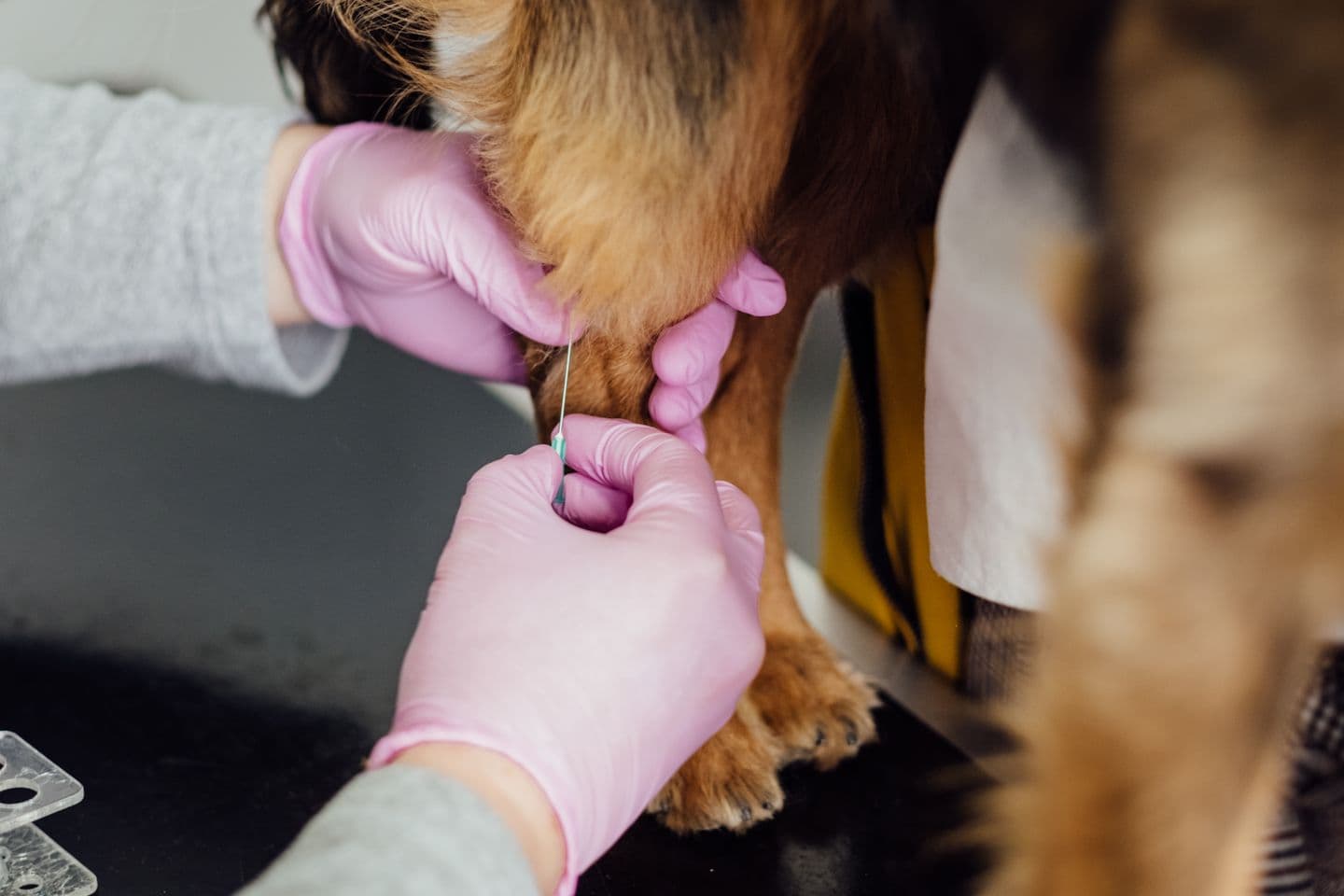
Persistent scratching, licking, or chewing at the skin is one of the most common reasons dogs are brought to the vet, and skin irritation can range from a mild, short lived reaction to a chronic condi
Persistent scratching, licking, or chewing at the skin is one of the most common reasons dogs are brought to the vet, and skin irritation can range from a mild, short lived reaction to a chronic condition needing long term management.
Common Causes
Flea allergy dermatitis, where even a single flea bite triggers intense itching in sensitive dogs
Environmental allergies to pollen, dust mites, or mould, often worse during specific seasons
Food allergies or sensitivities, commonly to proteins such as chicken, beef, or dairy
Contact irritants, including certain shampoos, cleaning products, or plants
Mites, causing mange, which leads to intense itching and hair loss
Fungal infections such as ringworm, or yeast overgrowth, particularly in skin folds
Dry skin from low humidity, over-bathing, or nutritional gaps
Recognising the Pattern
Where the irritation appears can offer clues. Itching concentrated at the base of the tail often points to fleas, while irritation around the paws, face, or belly is more typical of environmental or food allergies. Red, moist, rapidly spreading patches, known as hot spots, usually develop after a dog has been excessively licking or scratching one area, often from an underlying trigger like an insect bite or matted fur trapping moisture.
What Helps
Consistent flea and tick prevention, especially important given how common fleas are in India's warm, humid climate
Regular bathing with a vet recommended, gentle shampoo to remove allergens from the coat
A short course of vet prescribed antihistamines or anti-itch medication for flare-ups
Fatty acid supplements, which can support overall skin health over time
Keeping the coat and skin dry after monsoon walks, since prolonged dampness encourages yeast and bacterial growth
When to See a Vet
A vet visit is worthwhile if the itching is intense or constant, if you notice hair loss, open sores, a strong odour, or if home care does not bring improvement within a week or two. A greasy texture, a distinctly unpleasant smell, or small pus filled bumps often signal a secondary bacterial or yeast infection has developed on top of the original irritation, which needs targeted treatment rather than just anti-itch care. Chronic or recurring skin issues often need a structured approach, such as an elimination diet trial or allergy testing, to pin down the exact trigger rather than repeated short term fixes.
Managing Skin Irritation During Indian Summers
Heat and sweat trapped under a collar or harness can itself become a source of irritation during peak summer months, particularly for dogs with sensitive skin around the neck. Choosing breathable, well fitted gear, checking underneath it regularly, and giving your dog brief collar free time indoors can reduce this specific, easily overlooked contributor to ongoing skin discomfort.
Cooling mats and well ventilated resting areas also help reduce overall skin irritation during hot months, since a dog that is constantly overheated tends to lick and scratch more out of general discomfort, even without a specific allergy or parasite driving the itch. Simple environmental comfort measures can meaningfully ease mild, heat related irritation.
Common Questions
Why does my dog's skin irritation seem worse during monsoon?
Humidity and prolonged dampness during monsoon create ideal conditions for yeast and bacterial overgrowth, and puddles and wet grass also increase exposure to environmental allergens and parasites. Drying your dog thoroughly after walks helps reduce flare-ups.
Can changing my dog's diet fix skin irritation on its own?
Only if the underlying cause is genuinely a food sensitivity, which a proper elimination diet trial under veterinary guidance can help confirm. Switching foods without identifying the actual trigger, such as fleas or environmental allergens, is unlikely to resolve the problem.
This article is for general awareness and does not replace veterinary advice. If your dog is unwell, consult a veterinarian promptly.
Beyond the familiar Great Dane and Saint Bernard, a number of large, calm breeds carry the same gentle-giant temperament without quite the same name recognition. Most remain genuinely rare in India, b
A once-bouncy dog that suddenly seems flat, uninterested in walks, and withdrawn from the family is unsettling to watch, and the question that naturally follows is whether dogs can actually feel somet
A healthy dog isn't just a contented one; they're more playful, more energetic and more emotionally settled. As their owner, you're the biggest factor in how well your dog thrives, day in and day out.