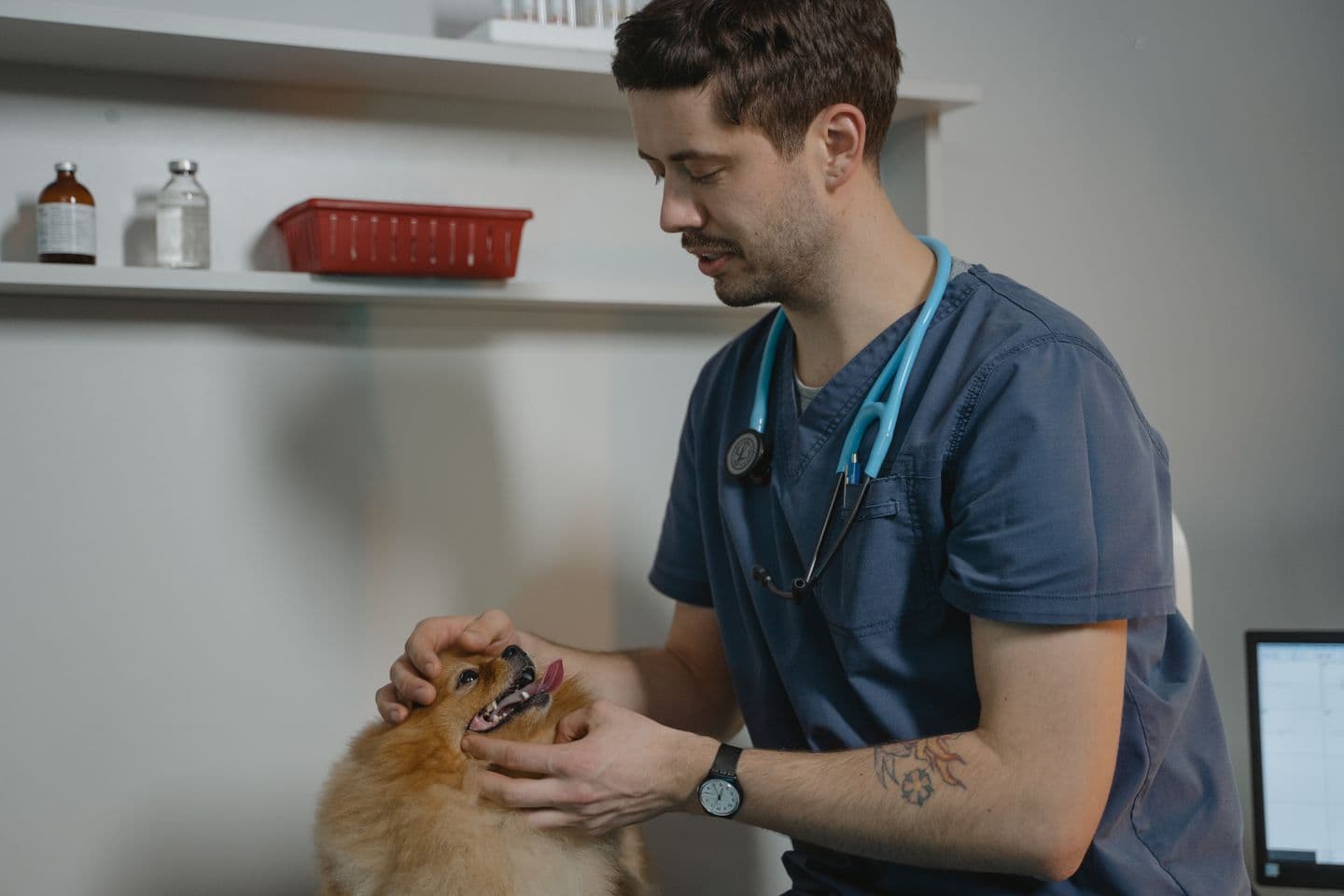
A dog has more than fifty lymph nodes scattered through the body, working quietly as filters for the immune system. Most of the time you would never notice them, but when they swell, it usually means
A dog has more than fifty lymph nodes scattered through the body, working quietly as filters for the immune system. Most of the time you would never notice them, but when they swell, it usually means the body is fighting something, whether that is a minor infection or something more serious.
Where to Check
The easiest lymph nodes to feel are under the jaw, in front of the shoulders, behind the front legs in the armpit area, in the groin, and behind the knees. A swollen node feels like a firm, movable lump under the skin, and it may feel warm or cause discomfort when pressed.
Common Causes
Local infections such as an abscess, a skin wound, or dental disease
Tick borne illnesses, which are a genuine concern in many parts of India during monsoon and post monsoon months
Allergic reactions to food, pollen, or flea bites
Autoimmune conditions
Cancers such as lymphoma, where multiple nodes across the body tend to swell together
What a Vet Will Do
Diagnosis typically starts with a physical examination, followed by a fine needle aspirate, a quick and minimally uncomfortable test where a small needle collects cells from the node for examination under a microscope. Blood work may follow to rule out systemic illness. Treatment depends entirely on the cause: antibiotics for bacterial infections, antiparasitics for tick borne disease, or a longer treatment plan such as chemotherapy if lymphoma is confirmed.
When to See a Vet Urgently
A single swollen node that appears alongside a minor scratch is rarely an emergency. But if you notice swelling in multiple nodes at once, if your dog is lethargic, has pale gums, or is vomiting, get them to a veterinarian as soon as possible. Breeds such as Golden Retrievers and Boxers are known to carry a somewhat higher lymphoma risk, so any unexplained, widespread swelling in these dogs deserves prompt attention.
Tracking Changes Over Time
If your vet identifies a mildly swollen node that does not yet need immediate treatment, ask about a reasonable recheck interval, often one to two weeks, so any growth or change in the node's size and firmness can be caught early. Taking a quick photo with a coin or familiar object next to the swelling for scale can make it much easier to judge whether it is growing between visits.
It also helps to gently feel the corresponding node on the opposite side of the body for comparison, since a genuinely enlarged node will usually feel noticeably larger or firmer than its healthy counterpart. This side by side check is something most pet parents can learn to do confidently at home after a vet demonstrates it once during a routine visit, making future monitoring far less guesswork.
Common Questions
How long do swollen lymph nodes take to go down after treatment?
For infections or inflammation, nodes usually return to normal size within two to four weeks of completing treatment. With lymphoma, nodes may shrink during chemotherapy but often do not return to a fully normal size.
Are swollen lymph nodes painful for a dog?
They can be tender to the touch, and a dog may flinch or pull away when the area is pressed, but many dogs show no obvious discomfort at all, which is why regular at home checks are useful.
This article is for general awareness and does not replace veterinary advice. If your dog is unwell, consult a veterinarian promptly.
Beyond the familiar Great Dane and Saint Bernard, a number of large, calm breeds carry the same gentle-giant temperament without quite the same name recognition. Most remain genuinely rare in India, b
A once-bouncy dog that suddenly seems flat, uninterested in walks, and withdrawn from the family is unsettling to watch, and the question that naturally follows is whether dogs can actually feel somet
A healthy dog isn't just a contented one; they're more playful, more energetic and more emotionally settled. As their owner, you're the biggest factor in how well your dog thrives, day in and day out.