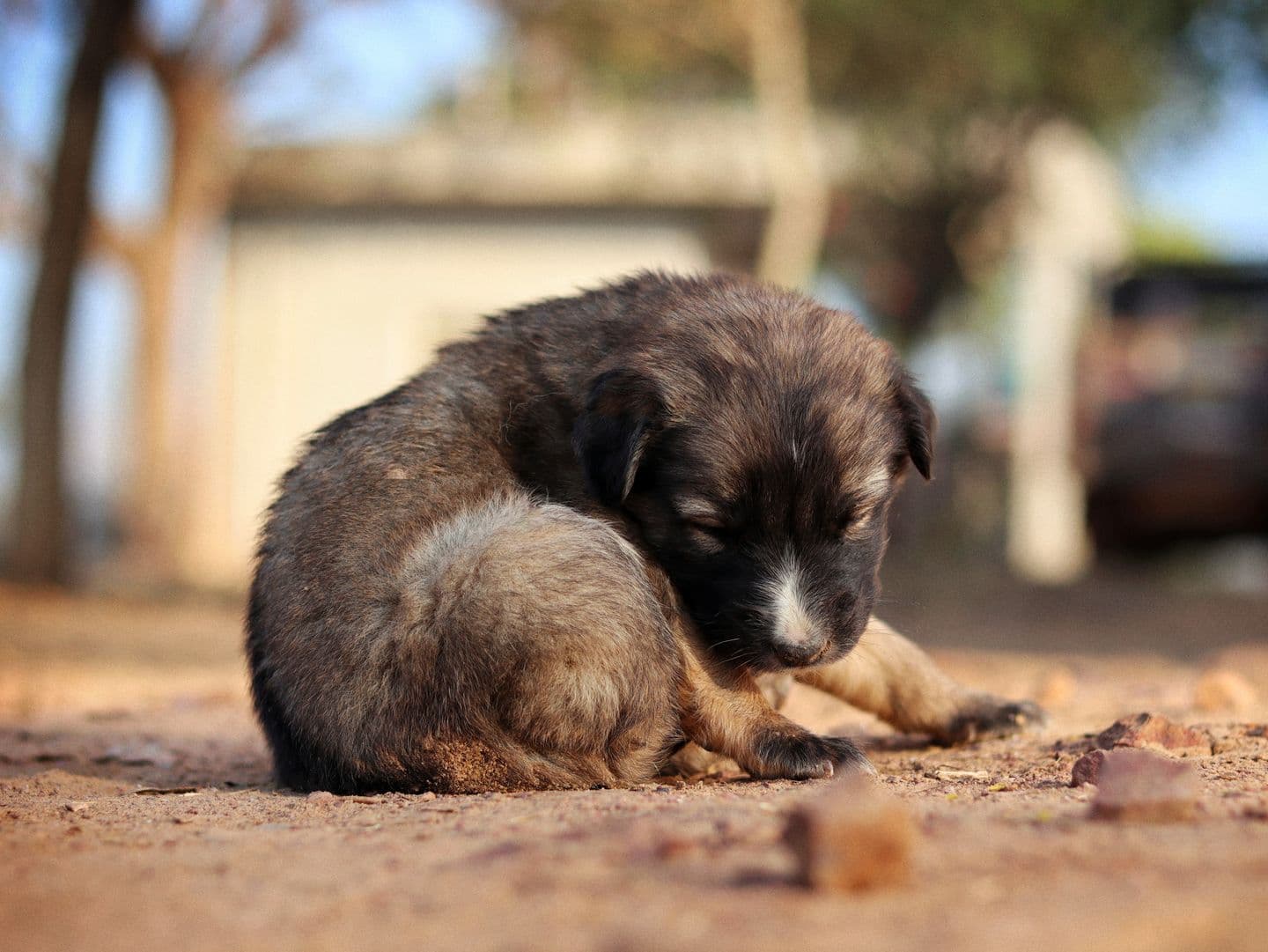
The Gap in the Roof of the Mouth: Cleft Palate in Puppies
A cleft palate is a birth defect where the roof of the mouth fails to close properly during development, leaving an opening between the mouth and nasal cavity. It is one of the more serious congenital
A cleft palate is a birth defect where the roof of the mouth fails to close properly during development, leaving an opening between the mouth and nasal cavity. It is one of the more serious congenital conditions a newborn puppy can have.
Why it matters so much in newborn puppies
The gap prevents a puppy from creating the suction needed to nurse properly, and milk can pass up into the nasal cavity or down into the lungs instead of the stomach, risking aspiration pneumonia. This makes cleft palate a genuine emergency in newborns rather than something to simply monitor.
Signs to look for in a litter
Milk bubbling from the nose during or after nursing
Weak, ineffective suckling
Failure to gain weight compared to littermates
Coughing or gagging during feeding
Nasal discharge or repeated sneezing
In visible cases, a noticeable gap or opening in the roof of the mouth
Diagnosis and management
A vet can usually confirm the size and location of the cleft with a simple oral examination shortly after birth. Small clefts sometimes close partially on their own as the puppy grows, but most cases need surgical correction, generally once the puppy is a few months old and large enough for anaesthesia to be safer, though severe cases may need earlier intervention.
In the meantime, affected puppies are usually fed through a tube directly into the stomach to bypass the defect entirely and prevent aspiration, a temporary but essential measure until surgery is possible. Breeders should be aware this is thought to have a genetic component in some breeds, and affected dogs are generally not bred from.
Common Questions
Q: Can a puppy with a cleft palate survive without surgery? A: Only with very careful tube feeding management, and quality of life is generally compromised without eventual surgical correction.
Q: Is cleft palate always genetic? A: It often has a genetic component, though factors during pregnancy may also contribute in some cases.
Beyond the familiar Great Dane and Saint Bernard, a number of large, calm breeds carry the same gentle-giant temperament without quite the same name recognition. Most remain genuinely rare in India, b
A once-bouncy dog that suddenly seems flat, uninterested in walks, and withdrawn from the family is unsettling to watch, and the question that naturally follows is whether dogs can actually feel somet
A healthy dog isn't just a contented one; they're more playful, more energetic and more emotionally settled. As their owner, you're the biggest factor in how well your dog thrives, day in and day out.