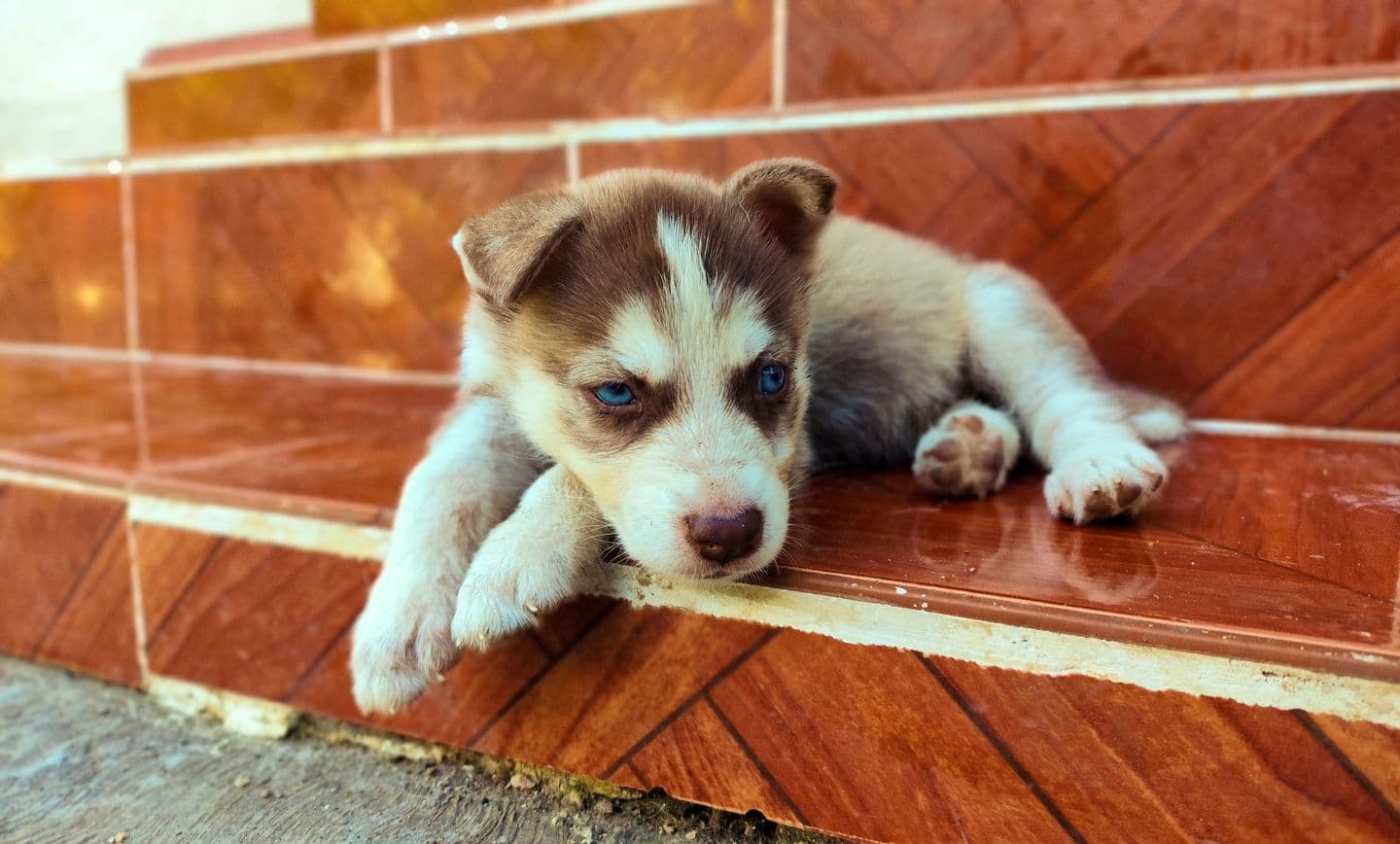
The Painful Scoot: Anal Gland Infection in Puppies
Anal glands are small scent glands on either side of a dog's anus that normally empty a small amount of fluid each time your dog passes a firm stool. In puppies, these glands can become impacted or in
Anal glands are small scent glands on either side of a dog's anus that normally empty a small amount of fluid each time your dog passes a firm stool. In puppies, these glands can become impacted or infected, causing genuine discomfort that owners sometimes mistake for worms or general fussiness.
Why puppies are affected
Soft stools, common in puppies with a still developing digestive system or a mild parasite burden, do not press against the glands firmly enough to empty them naturally during defecation, allowing the fluid inside to thicken and become impacted, which can then become infected.
Signs to watch for
Scooting, dragging the bottom along the ground
Excessive licking or biting at the base of the tail or anus
A strong, unpleasant fishy odour
Visible swelling, redness, or a discharge near the anus, sometimes streaked with blood in an infected or ruptured gland
Discomfort when sitting, or a change in tail carriage
Treatment
A vet can manually express and clean out impacted glands fairly quickly in most cases. An infected or abscessed gland, more painful and sometimes ruptured through the skin, typically needs antibiotics, warm compresses, and thorough cleaning, and occasionally minor drainage if an abscess has formed. This should always be handled by a vet rather than attempted at home, since improper expression can cause pain and further irritation.
Reducing recurrence
Address any underlying cause of soft stool, including a parasite check for the puppy
Add a fibre source to the diet if recommended by your vet, since firmer stools naturally help empty the glands
Keep the puppy at a healthy weight, since excess weight is linked to more frequent gland problems later in life
Have chronically recurring cases evaluated for an underlying allergy, since skin allergies are a known contributor to gland trouble as dogs get older
Common Questions
Q: Will anal gland problems continue into adulthood? A: Some dogs remain prone throughout life, while others outgrow the issue naturally once their stools become firmer with age.
Q: Can I express my puppy's anal glands myself at home? A: This is better left to a vet or experienced groomer, since improper technique can cause pain and further irritation to the area.
Beyond the familiar Great Dane and Saint Bernard, a number of large, calm breeds carry the same gentle-giant temperament without quite the same name recognition. Most remain genuinely rare in India, b
A once-bouncy dog that suddenly seems flat, uninterested in walks, and withdrawn from the family is unsettling to watch, and the question that naturally follows is whether dogs can actually feel somet
A healthy dog isn't just a contented one; they're more playful, more energetic and more emotionally settled. As their owner, you're the biggest factor in how well your dog thrives, day in and day out.