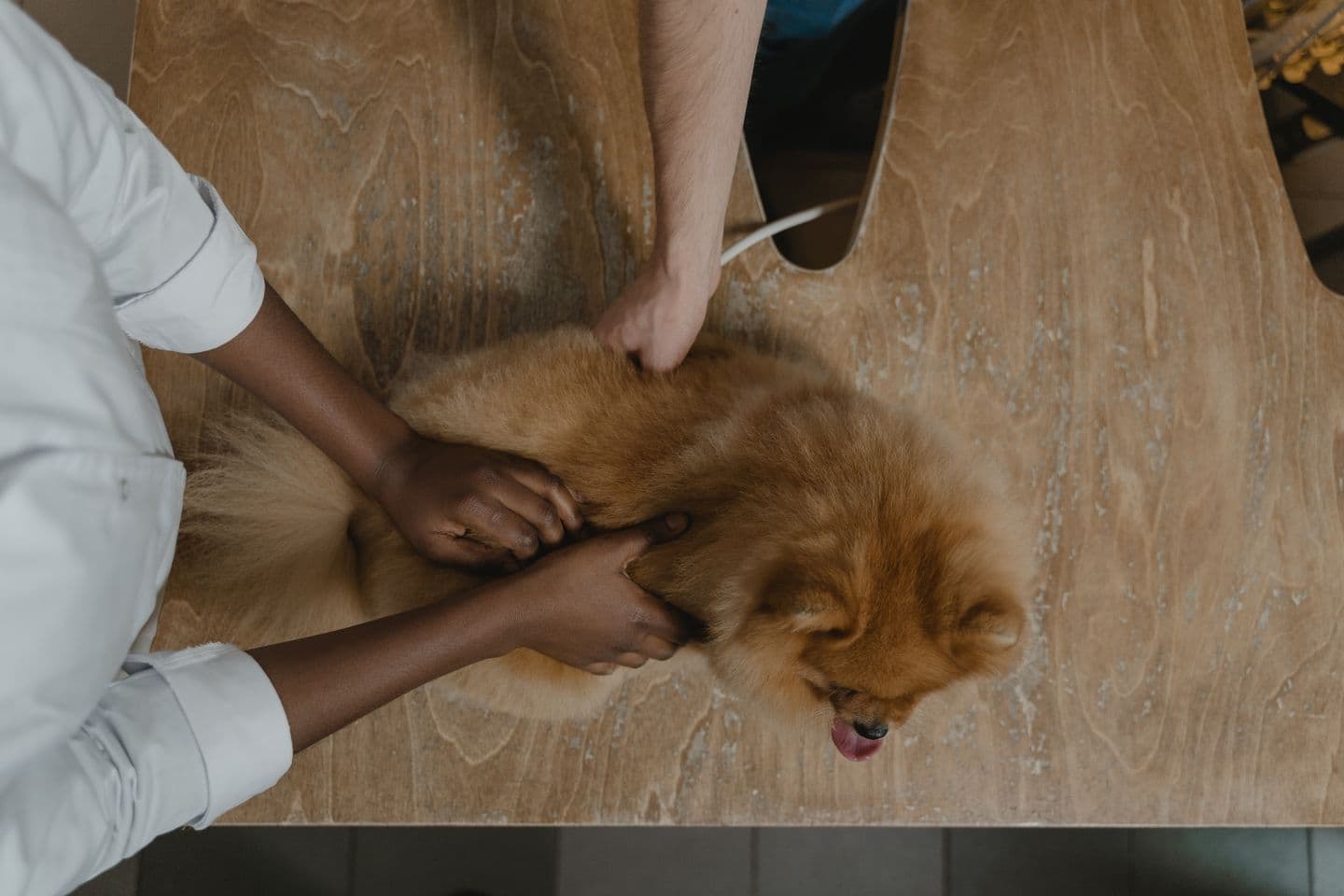
The Swollen Belly That Isn't Bloat: Understanding Ascites in Dogs
A dog's abdomen filling with fluid, called ascites, looks similar to bloat at first glance but is a very different problem with a very different set of causes, usually developing gradually rather than
A dog's abdomen filling with fluid, called ascites, looks similar to bloat at first glance but is a very different problem with a very different set of causes, usually developing gradually rather than suddenly.
What is actually happening
Ascites is the accumulation of free fluid within the abdominal cavity, outside of any organ. Unlike bloat, which involves the stomach itself filling with gas and often twisting, ascites is fluid pooling in the space around the organs, and it tends to build up over days to weeks rather than within an hour.
Common underlying causes
Heart failure, where poor pumping causes fluid to back up into the abdomen
Liver disease, which can reduce the proteins that normally keep fluid within blood vessels
Kidney disease, for similar protein loss reasons
Cancer, including tumours that bleed into the abdomen or block normal fluid drainage
Severe parasitic infection in some cases
Low blood protein from severe malnutrition or protein losing conditions
Signs to watch for
A gradually swelling, pot bellied appearance
A fluid, sloshing feel to the abdomen rather than the tight, drum like feel of bloat
Laboured breathing if fluid volume is large enough to press on the diaphragm
Lethargy, reduced appetite, and weight loss despite the visibly larger belly
Pale gums if the cause involves internal bleeding
Diagnosis and treatment
A vet will typically confirm ascites through a physical exam and ultrasound, then sample the fluid itself, since its appearance and composition (whether it is mostly protein, blood, or something else) often points directly to the underlying cause. Chest X-rays, bloodwork, and sometimes further imaging follow to pin down that cause precisely.
Treatment always targets the underlying disease rather than just the fluid itself, though very large volumes causing breathing difficulty may need to be drained for immediate relief. Because the range of causes spans from manageable to serious, any dog with a gradually swelling abdomen should be examined promptly rather than assumed to simply be weight gain.
Common Questions
Q: Can ascites resolve completely? A: Yes, if the underlying cause, such as an infection, is fully treatable, the fluid buildup can resolve entirely.
Q: Is draining the fluid a permanent fix? A: No, drainage only provides temporary relief. The underlying cause still needs to be identified and treated for lasting improvement.
Beyond the familiar Great Dane and Saint Bernard, a number of large, calm breeds carry the same gentle-giant temperament without quite the same name recognition. Most remain genuinely rare in India, b
A once-bouncy dog that suddenly seems flat, uninterested in walks, and withdrawn from the family is unsettling to watch, and the question that naturally follows is whether dogs can actually feel somet
A healthy dog isn't just a contented one; they're more playful, more energetic and more emotionally settled. As their owner, you're the biggest factor in how well your dog thrives, day in and day out.