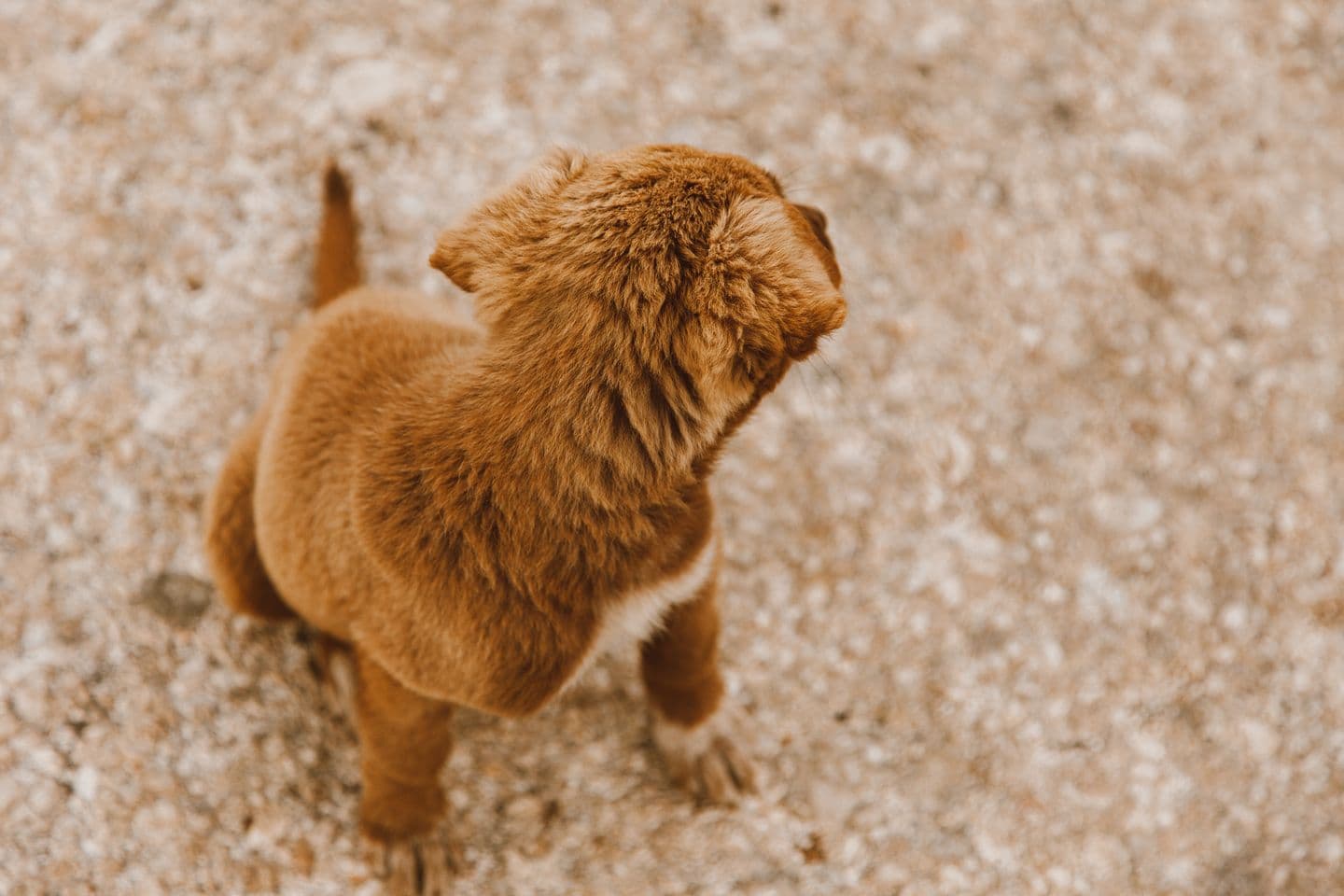
The Wobbly, Weak Puppy: Understanding Hypoglycaemia in Puppies and Small Dogs
Toy breed puppies and very small adult dogs have a genuine physical vulnerability that larger dogs do not: their tiny bodies store very little reserve glucose, which makes them prone to sudden, someti
Toy breed puppies and very small adult dogs have a genuine physical vulnerability that larger dogs do not: their tiny bodies store very little reserve glucose, which makes them prone to sudden, sometimes dramatic drops in blood sugar.
Why small dogs are especially vulnerable
Puppies under three months of age and toy breeds such as Chihuahuas, Yorkshire Terriers, and Pomeranians have a higher metabolic rate relative to their tiny liver glycogen stores, meaning they can burn through their available blood sugar far faster than a larger dog. Stress, cold, a skipped meal, intestinal parasites, or even excitement and play can be enough to trigger an episode.
Signs of a hypoglycaemic episode
Sudden weakness or wobbliness
Lethargy or unusual sleepiness
Trembling or shivering
Glassy eyed staring or a dazed look
In more severe cases, seizures or loss of consciousness
What to do during an episode
Rub a small amount of glucose syrup, honey, or corn syrup onto the puppy's gums, this can be absorbed even if the puppy is too weak to swallow properly, and can help within minutes. Follow up with a small meal once the puppy is alert enough to eat. If the puppy does not improve within ten to fifteen minutes, or is unconscious or seizing, this is an emergency and needs immediate veterinary attention, since prolonged low blood sugar can cause lasting harm.
Preventing future episodes
Feed toy breed puppies small, frequent meals throughout the day rather than one or two large ones
Keep a glucose source on hand for high risk puppies, particularly during the first few months
Keep small puppies warm, since cold stress increases glucose demand
Treat intestinal parasites promptly, since a heavy worm burden can contribute to low blood sugar
Mention any repeated episodes to your vet, since recurrent hypoglycaemia sometimes points to an underlying liver or hormonal issue that needs its own diagnosis
Common Questions
Q: At what age does hypoglycaemia risk drop for toy breed puppies? A: Risk decreases significantly by four to six months of age as glycogen reserves and overall metabolism mature.
Q: Can stress alone trigger a hypoglycaemic episode? A: Yes, particularly when combined with a skipped meal or cold exposure, stress can be enough to tip a vulnerable puppy into an episode.
Beyond the familiar Great Dane and Saint Bernard, a number of large, calm breeds carry the same gentle-giant temperament without quite the same name recognition. Most remain genuinely rare in India, b
A once-bouncy dog that suddenly seems flat, uninterested in walks, and withdrawn from the family is unsettling to watch, and the question that naturally follows is whether dogs can actually feel somet
A healthy dog isn't just a contented one; they're more playful, more energetic and more emotionally settled. As their owner, you're the biggest factor in how well your dog thrives, day in and day out.