Vaginitis in Dogs: Causes, Symptoms, and When to Treat It
Vaginitis, inflammation of the vaginal tissue, is a fairly common but under discussed issue in female dogs, showing up as discharge or excessive licking that owners are sometimes unsure whether to wor
Vaginitis, inflammation of the vaginal tissue, is a fairly common but under discussed issue in female dogs, showing up as discharge or excessive licking that owners are sometimes unsure whether to worry about.
Two main patterns
Juvenile vaginitis occurs in puppies before their first heat cycle, is generally mild, and often resolves on its own once the dog matures and has her first season, needing little more than monitoring in most cases. Adult onset vaginitis is more often linked to an underlying cause and is more likely to need active treatment.
Common causes in adult dogs
Urinary tract infections, which can cause secondary vaginal inflammation
Anatomical issues, such as excess skin folds around the vulva trapping moisture, more common in spayed or overweight female dogs
Foreign material, such as grass seeds
Tumours or growths within the reproductive tract, more relevant in older, unspayed females
Hormonal changes around a heat cycle
Signs to watch for
Discharge from the vulva, which can range from clear to yellowish or bloody
Excessive licking of the area
Redness or swelling of the vulva
Frequent urination or signs of discomfort while urinating, which may point instead to a urinary tract infection
Diagnosis and treatment
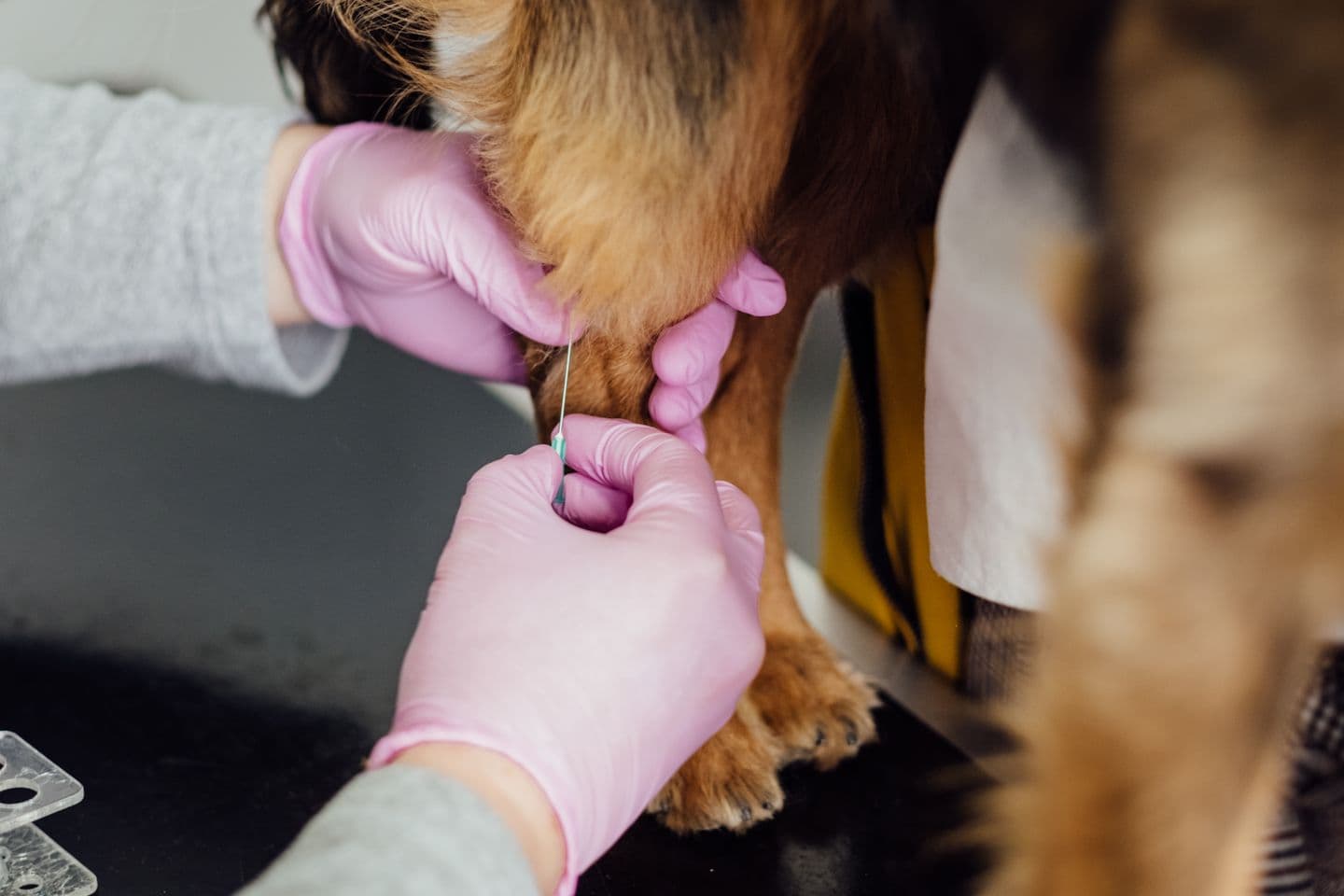
A vet will typically examine the area, and may take a vaginal swab or urine sample to distinguish vaginitis from a urinary tract infection, since the two often overlap in symptoms. Treatment depends on the cause: antibiotics for a bacterial infection, hygiene and skin fold management for anatomical cases, or further investigation if a growth is suspected. Persistent or recurrent vaginitis in an adult dog, especially one that is unspayed, is worth investigating properly rather than repeatedly treating the symptom alone.
Common Questions
Q: Does spaying prevent vaginitis? A: It reduces some causes, but anatomical cases linked to skin folds around the vulva can still occur in spayed female dogs.
Q: Is vaginitis painful? A: Mild cases usually cause more irritation and licking than genuine pain, though any accompanying urinary symptoms should be checked promptly.
Beyond the familiar Great Dane and Saint Bernard, a number of large, calm breeds carry the same gentle-giant temperament without quite the same name recognition. Most remain genuinely rare in India, b
A once-bouncy dog that suddenly seems flat, uninterested in walks, and withdrawn from the family is unsettling to watch, and the question that naturally follows is whether dogs can actually feel somet
A healthy dog isn't just a contented one; they're more playful, more energetic and more emotionally settled. As their owner, you're the biggest factor in how well your dog thrives, day in and day out.