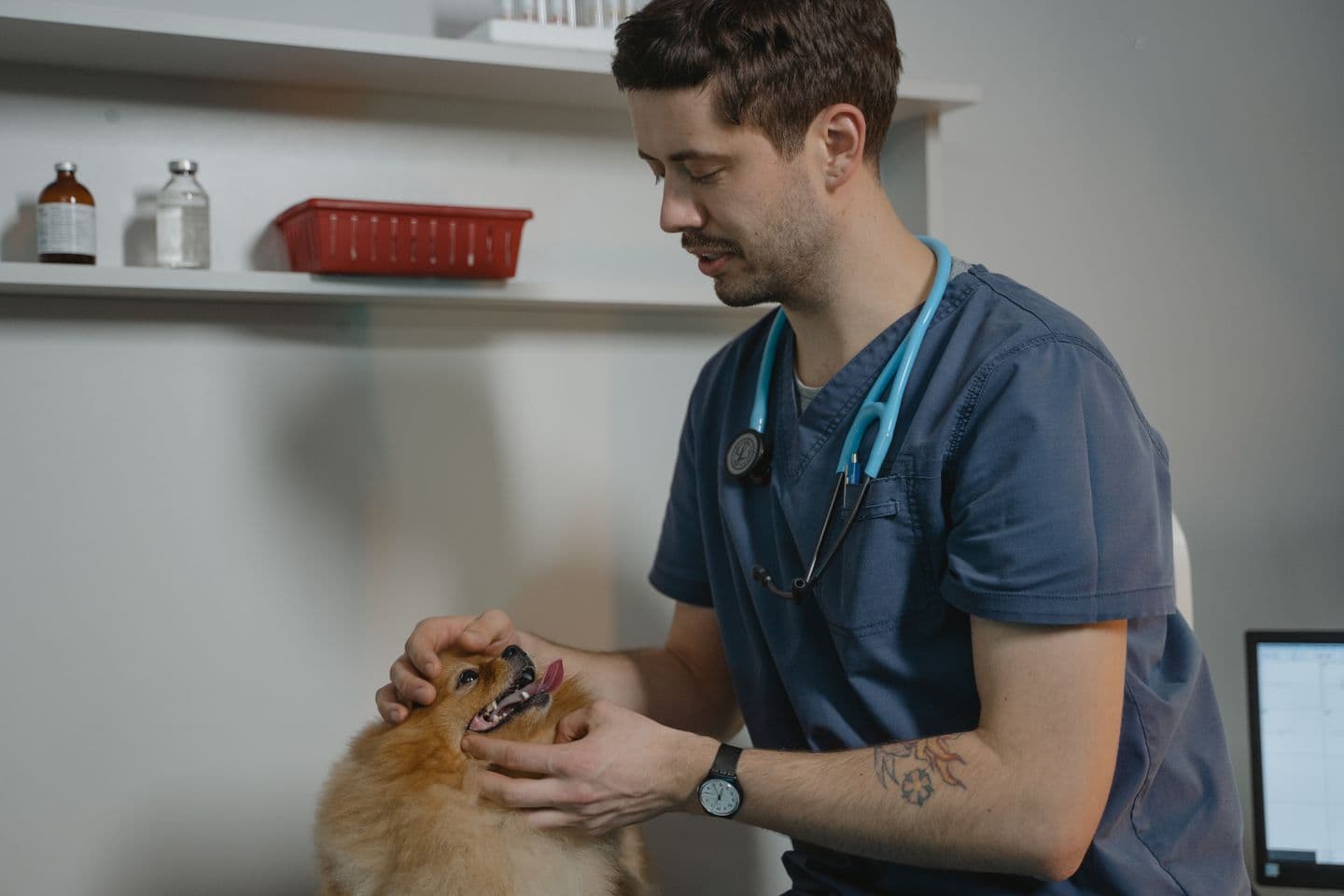
Small, cauliflower like growths appearing around a dog's mouth, lips, or occasionally elsewhere on the body are usually warts, caused by a virus rather than anything more serious, and the good news is
Small, cauliflower like growths appearing around a dog's mouth, lips, or occasionally elsewhere on the body are usually warts, caused by a virus rather than anything more serious, and the good news is that most resolve on their own.
What Causes Them
Canine papillomavirus is responsible for the vast majority of dog warts. It spreads through direct contact with an infected dog or indirectly through shared items like water bowls or toys, and it can survive in the environment for some time. Puppies and young dogs are most commonly affected, since their immune systems have not yet built up resistance to the virus, though dogs of any age with a weakened immune system are also more susceptible.
What Warts Look Like
Warts typically appear as small, pink or greyish white growths with an irregular, bumpy surface resembling a cauliflower or cobblestone. The mouth, lips, and muzzle are the most common locations, though they can also appear on the eyelids, feet, or elsewhere on the skin. They often appear in clusters rather than as a single growth, and can seem to develop quite suddenly.
Are They Serious?
In most cases, no. Warts are generally harmless and resolve on their own within one to three months as the dog's immune system mounts a response and builds lasting immunity. Warts inside the mouth can occasionally interfere with eating if they are numerous or large, and any wart that is repeatedly bitten or irritated can bleed or develop a secondary infection.
When Treatment Is Needed
The warts are numerous, unusually large, or causing pain or difficulty eating
A wart appears infected, with redness, swelling, or discharge
Growths persist well beyond three months without any sign of shrinking
Your vet is not fully confident it is a simple wart rather than another type of growth
Treatment options a vet might consider include surgical removal, cryotherapy to freeze the growth, or, in select cases, medications that help stimulate the immune system's response against the virus.
What You Can Do at Home
Avoid letting your dog interact closely with other dogs who have visible warts, since the virus is contagious between dogs
Do not attempt to remove or cut off a wart yourself, since this can cause bleeding and infection
Keep a general eye on the growths for size, number, and whether they seem to be resolving over a few weeks
A Note on Diagnosis
While most cauliflower like growths in young dogs are simple viral warts, any new growth is worth having examined by a vet at least once, since other, less common types of skin growths can look superficially similar and benefit from an accurate early diagnosis.
Warts in Older, Immunocompromised Dogs
While papillomavirus warts are most typical in young dogs, senior dogs with a weakened immune system, whether from age, illness, or certain medications such as long term steroids, can develop warts too, and these are sometimes slower to resolve on their own. In these cases, a vet may recommend closer monitoring or earlier treatment than would typically be suggested for a healthy young dog with the same growths.
If a senior dog on long term medication for another condition develops new warts, mention this to your vet rather than assuming it is unrelated, since it may be worth a brief discussion about whether the current medication dose or duration is appropriately balanced for that individual dog.
Keeping a shared water bowl and toys clean between uses, particularly at dog parks or daycare where several puppies mix, is a simple, low effort way to reduce the overall viral load your dog is exposed to, even though complete prevention is not realistic in social settings.
Common Questions
Can warts spread to humans or other pets like cats?
No, canine papillomavirus is species specific and cannot infect humans or cats. It only spreads between dogs.
Will my puppy be immune to warts once they clear up?
Generally yes, once the immune system clears an outbreak, dogs typically develop lasting immunity to that particular strain and rarely have a recurrence, though this immunity is specific to the strain involved.
This article is for general awareness and does not replace veterinary advice. If your dog is unwell, consult a veterinarian promptly.
Beyond the familiar Great Dane and Saint Bernard, a number of large, calm breeds carry the same gentle-giant temperament without quite the same name recognition. Most remain genuinely rare in India, b
A once-bouncy dog that suddenly seems flat, uninterested in walks, and withdrawn from the family is unsettling to watch, and the question that naturally follows is whether dogs can actually feel somet
A healthy dog isn't just a contented one; they're more playful, more energetic and more emotionally settled. As their owner, you're the biggest factor in how well your dog thrives, day in and day out.