Once a pet parent accepts that their dog has allergies, the natural next question is why. The honest answer is that allergies arise from a mix of genetics, environment and individual immune quirks tha
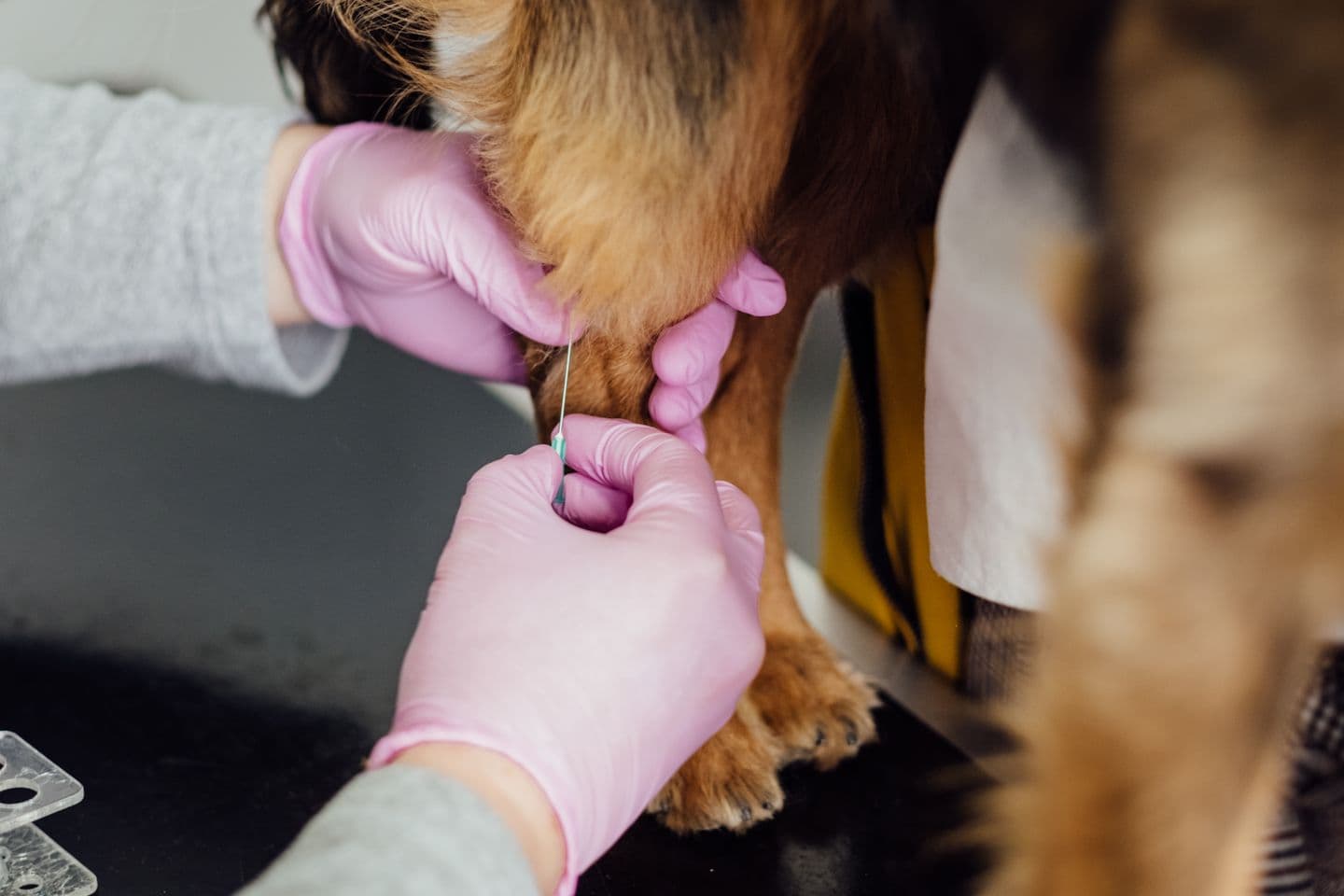
Once a pet parent accepts that their dog has allergies, the natural next question is why. The honest answer is that allergies arise from a mix of genetics, environment and individual immune quirks that even veterinary researchers do not fully understand, but there is still a great deal that is known and can be acted on.
The genetic piece
Certain breeds are consistently more prone to allergic conditions, including Labradors, Bulldogs, Boxers, Shar Peis, West Highland White Terriers and Golden Retrievers, among others. This does not mean mixed breed or indie dogs are immune. It simply means that a family history of allergic skin disease, where known, raises the odds a bit further.
Everyday triggers
Pollen from grasses, trees and weeds, often worse during specific seasons
Dust mites and mould spores, which can be present indoors all year round
Flea bites, even a single one in a sensitive dog
Specific food proteins, most commonly chicken, beef, dairy or wheat
Direct skin contact with certain plants, cleaning products or fabrics
Why some dogs react and others do not
Two dogs from the same litter, raised in the same home, can have completely different allergy profiles. Part of this comes down to an inherited weakness in the skin barrier itself, which lets allergens penetrate more easily and provoke the immune system. Repeated exposure also plays a role, which is why allergies often develop gradually over the first one to three years of a dog's life rather than showing up as a puppy.
A practical management approach
Managing allergies is rarely about a single fix. Vets generally recommend a layered approach, addressing the most controllable triggers first.
Keep flea prevention consistent and year round, since fleas remain active even through Indian winters in many regions
Bathe regularly with a vet recommended shampoo to physically remove allergens from the coat
Feed a consistent, high quality diet, and investigate a food trial if skin and gut symptoms occur together
Reduce exposure to known seasonal triggers, for instance keeping a dog indoors during early morning pollen peaks
Work with a vet on medication, whether that is an antihistamine, a prescription anti-itch tablet, or longer term immunotherapy for well confirmed environmental allergies
When to involve a specialist
If symptoms persist despite flea control, dietary changes and basic medication, it may be time to ask for a referral to a veterinary dermatologist. Persistent, poorly controlled allergies are frustrating for both dog and owner, and a specialist can offer testing and treatment options, including immunotherapy, that a general practice may not have readily available.
Beyond the familiar Great Dane and Saint Bernard, a number of large, calm breeds carry the same gentle-giant temperament without quite the same name recognition. Most remain genuinely rare in India, b
A once-bouncy dog that suddenly seems flat, uninterested in walks, and withdrawn from the family is unsettling to watch, and the question that naturally follows is whether dogs can actually feel somet
A healthy dog isn't just a contented one; they're more playful, more energetic and more emotionally settled. As their owner, you're the biggest factor in how well your dog thrives, day in and day out.