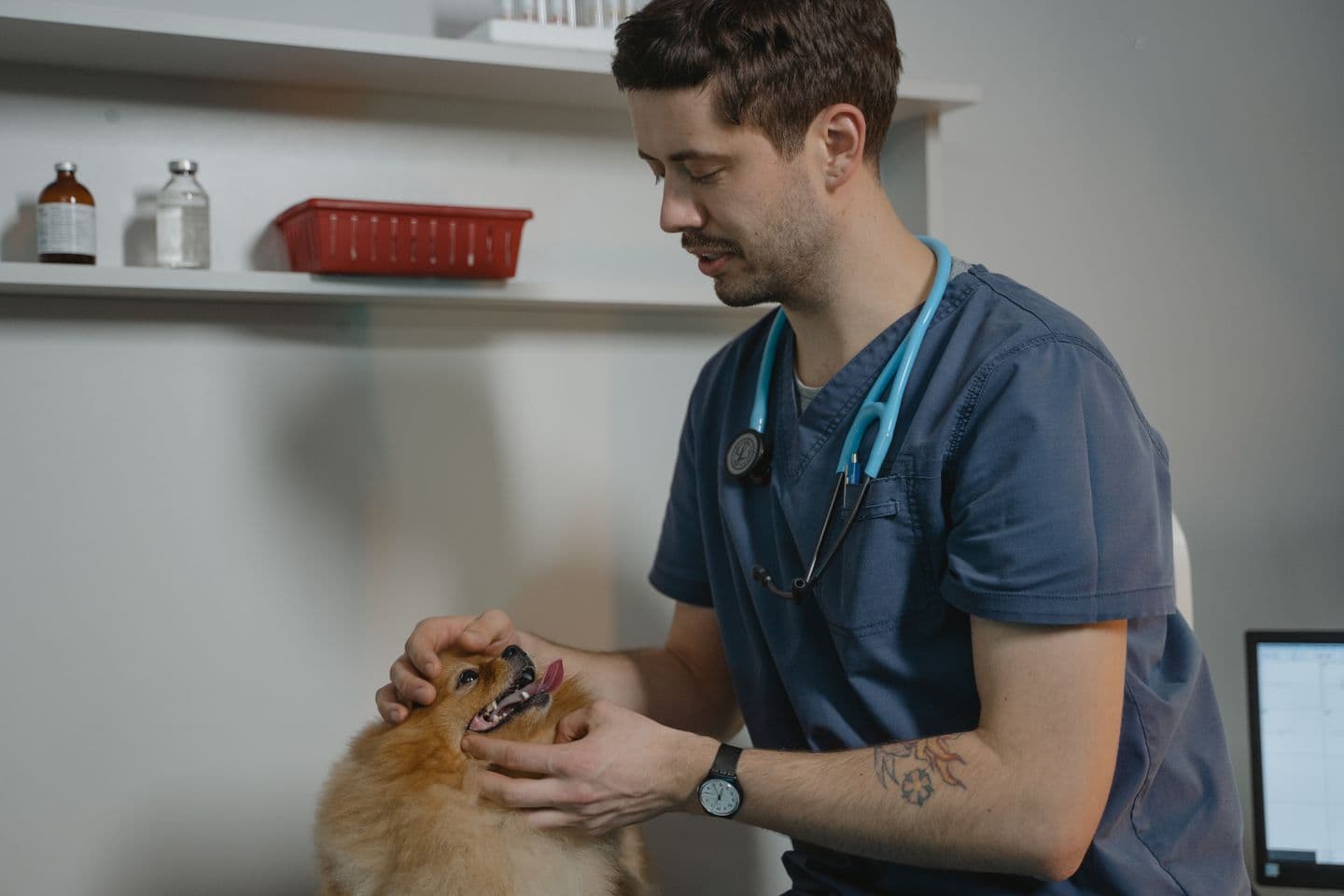
Hives, medically called urticaria, show up as raised, red, itchy welts on the skin, often appearing within minutes to hours of exposure to a trigger. They can look alarming, especially if they appear
Hives, medically called urticaria, show up as raised, red, itchy welts on the skin, often appearing within minutes to hours of exposure to a trigger. They can look alarming, especially if they appear suddenly and in clusters, but most cases in dogs resolve well.
What Causes Hives
Insect stings or bites, particularly bees and wasps
New medications or vaccinations
Certain foods or treats
Contact with a new shampoo, cleaning product, or plant
Less commonly, friction, heat, sunlight, or stress
What Hives Look Like
Hives typically appear as raised bumps with hair standing up over them, most often on the back, flanks, neck, face, or legs. They may show up in clusters and can shift location over a few hours. Swelling around the face, particularly the eyelids and lips, known as angioedema, often accompanies hives when the trigger is an insect sting. This differs from a single, localised swelling at one bite site, such as a leg swelling up after one mosquito or ant bite, which is a normal, contained local reaction rather than a body wide allergic response.
What to Do
Note what your dog was recently exposed to, including new foods, products, plants, or medications, since this helps identify the trigger
Keep your dog calm and monitor closely for the next hour, since reactions can worsen
Do not give any human antihistamine without checking the correct dog safe dose with a vet first
Take a photo of the hives if possible, since they can fade before you reach a vet
When It Is an Emergency
Hives alone are usually not dangerous, but the same allergic response can progress to anaphylaxis, a severe, whole body reaction. Seek emergency care immediately if you notice difficulty breathing, excessive drooling, vomiting, weakness, collapse, or swelling that appears to be closing the throat.
Treatment and Recovery
Mild hives often fade within a few hours without any treatment at all. For more bothersome or widespread cases, a vet may give an injectable antihistamine or corticosteroid, which usually brings noticeable improvement within minutes. If hives recur, your vet may recommend allergy testing or a food trial to identify and avoid the specific trigger going forward.
Hives After Grooming Products
A new shampoo, conditioner, or perfumed spray used during a grooming session is a commonly overlooked trigger for hives, sometimes appearing hours after the dog has returned home rather than immediately. If hives develop within a day of a grooming visit, mention every product used during that session to your vet, and consider requesting fragrance free, hypoallergenic products for future visits.
Keeping a simple list of any new products your dog has been exposed to in the days before a reaction, shampoos, sprays, new bedding fabric, or even a new laundry detergent used on their blanket, can help both you and your vet narrow down the trigger far faster than starting from scratch each time.
Common Questions
If hives go away on their own, do I still need to see a vet?
It is still worth reporting the episode to your vet, even after the hives resolve, so it can be noted in your dog's history. This becomes especially useful if a pattern of recurring reactions develops over time.
Are hives contagious to other pets or people in the house?
No, hives are an individual allergic reaction, not a contagious condition. However, if a chemical or plant irritant caused the reaction, it is sensible to keep other pets and family members away from that same source until it is identified.
This article is for general awareness and does not replace veterinary advice. If your dog is unwell, consult a veterinarian promptly.
Beyond the familiar Great Dane and Saint Bernard, a number of large, calm breeds carry the same gentle-giant temperament without quite the same name recognition. Most remain genuinely rare in India, b
A once-bouncy dog that suddenly seems flat, uninterested in walks, and withdrawn from the family is unsettling to watch, and the question that naturally follows is whether dogs can actually feel somet
A healthy dog isn't just a contented one; they're more playful, more energetic and more emotionally settled. As their owner, you're the biggest factor in how well your dog thrives, day in and day out.